by parth@bidkinetic.com | Sep 20, 2026 | Fashion
Finding bridesmaid dresses that look coordinated without pushing the wedding budget too far is harder than it sounds. Chicsew bridesmaid dresses stand out because the brand combines a large selection of styles and colors with made-to-order production and free basic custom sizing. ChicSew says its collection includes 500+ styles and 70+ colors, with sizing from US 0 through plus sizes. Standard orders generally take around 20-30 calendar days, while rush orders are advertised at roughly 14 ± 5 days.
For this Novareads review, the focus is less on glossy product claims and more on the details that matter when ordering wedding-party clothing online: fabric, sizing, customization, delivery, alterations, returns and what customers are actually reporting. The overall picture is positive on style and value, but the ordering process requires more attention than buying a regular ready-to-wear dress.
What Do Chicsew Bridesmaid Dresses Offer?
ChicSew has a broad range of silhouettes, including A-line, mermaid, satin, chiffon, off-shoulder, V-neck and other formal designs. The selection makes it possible to keep a bridal party visually coordinated without necessarily putting everyone in exactly the same cut.
The brand also offers custom sizing at no additional charge. Instead of selecting only a conventional US size, customers can submit five measurements: bust, waist, hips, height and hollow-to-floor. ChicSew explains that custom sizing is intended to provide a closer starting fit, although it does not eliminate the possibility of alterations.
That distinction is important. Custom sizing is not the same as a professionally tailored dress.
Fabric and Overall Look
The strongest part of the ChicSew proposition is the variety of formal designs. Satin styles in particular are designed to create the polished, coordinated appearance commonly associated with modern bridal parties.
Customer feedback also frequently mentions fabric quality and appearance. On Trustpilot, several recent buyers have praised the dresses for their elegant materials, fit and appearance, while other reviewers have reported problems involving stains, fabric weight or sizing.
That variation suggests buyers should avoid judging quality purely from photographs. Ordering a fabric swatch is especially sensible when the wedding color needs to match closely. ChicSew itself warns that the same named color can appear different across fabrics and screens.
Sizing: The Part That Needs the Most Attention
Sizing deserves more attention than it usually gets in online dress reviews.
ChicSew recommends custom sizing when measurements don’t fall close to a standard size. Its own guidance says that the five measurements used for customization still cannot account for every body proportion, meaning additional tailoring may be necessary.
The company also recommends ordering dresses around two to three months before the event. That’s a sensible buffer for a wedding because it leaves time for delivery, fitting and alterations.
| Area |
Novareads Assessment |
| Style selection |
4.5/5 |
| Color variety |
4.5/5 |
| Fabric appearance |
4/5 |
| Custom sizing |
4/5 |
| Standard sizing |
4/5 |
| Delivery planning |
3.5/5 |
| Return flexibility |
2.5/5 |
| Value |
4/5 |
| Overall |
4/5 |
How Long Does Delivery Take?
ChicSew dresses are made to order rather than pulled from conventional ready-to-ship inventory. The current shipping policy gives an estimated 20-30 calendar days for standard orders worldwide and approximately 14 ± 5 calendar days for rush orders. After dispatch, the company says DHL or UPS deliveries generally take another 3-8 business days.
For a wedding, ordering early is essential. International customs delays can also affect delivery timelines, so leaving the order until the last few weeks would be unnecessarily risky.
Returns and Alterations: Read This Before Ordering
This is where Chicsew bridesmaid dresses become less straightforward.
- Custom-size dresses are generally final sale and cannot be returned simply because the fit isn’t right or plans change.
- Standard-size dresses up to US 14 have more flexibility, but the current policy requires customers to raise an after-sales request within seven calendar days of delivery.
- A 10% restocking fee can apply to eligible returns where there is no confirmed quality problem.
There is some support if alterations are required.
- ChicSew says customers may use local tailoring and receive limited reimbursement, while its policy lists reimbursement limits of up to $20, $30 or $40 depending on the dress price.
The takeaway is simple: measure carefully, order early and don’t treat custom sizing as a substitute for final tailoring.
What Are Customers Saying?
The current Trustpilot profile shows a 4.3/5 rating from 362 reviews, with 73% of reviews rated five stars and 18% rated one star. (September 2026)
Positive reviews commonly mention attractive dresses, fabric quality, accurate fitting and responsive communication. Some recent buyers specifically praised the custom-sizing process and said the dresses arrived fitting well.
There are also negative experiences. Some customers report stains, fabric concerns, sizing problems and dissatisfaction with returns. These reviews don’t prove that every order will have the same experience, but they do highlight why measurements, swatches and delivery buffers matter.
Is Chicsew Worth It for a Wedding?
For brides looking for coordinated formalwear without immediately moving into premium bridal pricing, Chicsew bridesmaid dresses offer a compelling combination of selection, customization and made-to-order options.
The trade-off is that buyers have to be more involved. This isn’t the type of purchase where ordering a dress a week before the wedding is sensible. Custom sizing also needs to be approached carefully, and the restrictive return policy means there is less room for mistakes.
For a bridal party ordering several dresses, getting fabric swatches first, confirming measurements individually and placing the order well ahead of the wedding should make the process considerably safer.
FAQs
- Are Chicsew bridesmaid dresses custom made?
Yes. ChicSew states that its dresses are made to order and offers basic custom sizing using five measurements at no additional cost.
- Should a fabric swatch be ordered?
Yes, especially when matching a specific wedding color matters. ChicSew notes that colors can vary between fabrics and computer or phone screens.
- Do Chicsew dresses need alterations?
They can. Even custom-sized dresses use only five basic measurements, so ChicSew acknowledges that additional alterations may still be required for the best fit.
Also Read: Is Shein Worth It in 2026? Quality, Sizing, and What to Avoid
by parth@bidkinetic.com | Sep 19, 2026 | Fashion
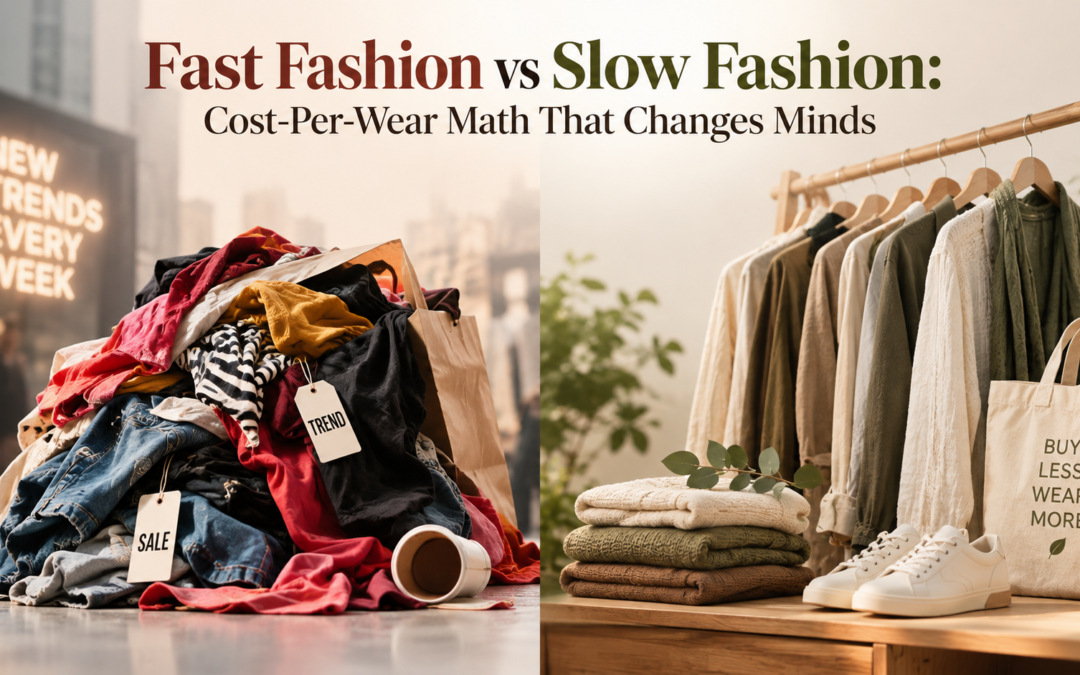
The fast fashion vs slow fashion debate is often presented as cheap versus expensive, but the real comparison is more complicated. Between 2000 and 2015, global clothing production roughly doubled while the average number of times garments were worn fell by 36%. The Ellen MacArthur Foundation also reports that some clothing is discarded after only seven to ten wears.
Meanwhile, the environmental scale is substantial. UNEP estimates that the textile sector generates around 92 million tonnes of textile waste each year, while less than 1% of clothing material is recycled into new clothing.
So, does paying more actually save money? Not automatically. But looking at cost per wear, durability and how often a garment is actually used gives a much clearer answer.
What Does Cost Per Wear Actually Mean?
The formula is simple:
Cost per wear = Purchase price ÷ Number of times worn
Consider two hypothetical T-shirts:
- Fast-fashion T-shirt: $25
- Slow-fashion T-shirt: $100
If the $25 shirt lasts for 10 wears, its cost per wear is $2.50.
If the $100 shirt lasts for 50 wears, its cost per wear is $2.
The more expensive garment has the increased upfront price but the lower cost every time it is used.
That doesn’t mean every expensive garment is better. A $150 shirt that gets worn eight times is still expensive at $18.75 per wear.
Fast Fashion: Cheap at Checkout, Not Always Cheap Over Time
Fast fashion is built around frequent collections, low prices and rapidly changing trends. The attraction is obvious: shoppers can experiment with different styles without committing much money to individual pieces.
The problem starts when low prices encourage low utilisation.
The Ellen MacArthur Foundation estimates that customers globally lose around $460 billion in value each year by throwing away clothes that could still be worn.
Here’s a simple example:
|
Fast Fashion |
Slow Fashion |
| Purchase price |
$30 |
$120 |
| Expected wears |
10 |
60 |
| Cost per wear |
$3.00 |
$2.00 |
| Replacement needed |
More often |
Less often |
| Typical appeal |
Trend variety |
Longevity and versatility |
| Upfront cost |
Lower |
Higher |
The numbers above are illustrative rather than industry averages, but they show why purchase price alone can be misleading.
Slow Fashion: Paying More for Longer Use
Slow fashion generally focuses on fewer purchases, longer use, repairability, timeless designs and more considered production.
The important word is use.
- Buying an expensive coat and wearing it twice isn’t automatically sustainable.
- Buying a well-made coat and wearing it every winter for several years is a very different proposition.
Durability also has two sides.
- Physical durability means the garment resists damage, while emotional durability means the wearer continues to like and use it rather than replacing it because the style quickly feels old-fashioned.
- The Ellen MacArthur Foundation identifies both as important to keeping clothing in use.
The Break-Even Point Is the Interesting Part
Here’s where cost-per-wear becomes useful.
Suppose a $30 fast-fashion dress lasts 10 wears.
A $120 slow-fashion dress costs four times as much.
It therefore needs to be worn at least 40 times to reach the same $3 cost per wear.
At 50 wears:
$120 ÷ 50 = $2.40 per wear
At 75 wears:
$120 ÷ 75 = $1.60 per wear
This is the point often missed in the fast fashion vs slow fashion conversation. A higher purchase price doesn’t automatically mean higher long-term clothing costs. What matters is how long the garment remains useful.
But Cost Per Wear Isn’t the Whole Story
There are other costs that don’t appear on a receipt.
A garment may need frequent replacement because of stretched fabric, broken seams, fading or changing trends. There is also the environmental cost of producing, transporting, and eventually disposing of clothing.
UNEP estimates that textiles account for roughly 2-8% of global greenhouse gas emissions and use the equivalent of around 86 million Olympic-sized swimming pools of water annually.
At the same time, it would be too simplistic to label every inexpensive garment environmentally harmful and every expensive garment sustainable. Material choice, manufacturing processes, washing habits, durability and end-of-life options all matter.
The Best Wardrobe May Be a Mix
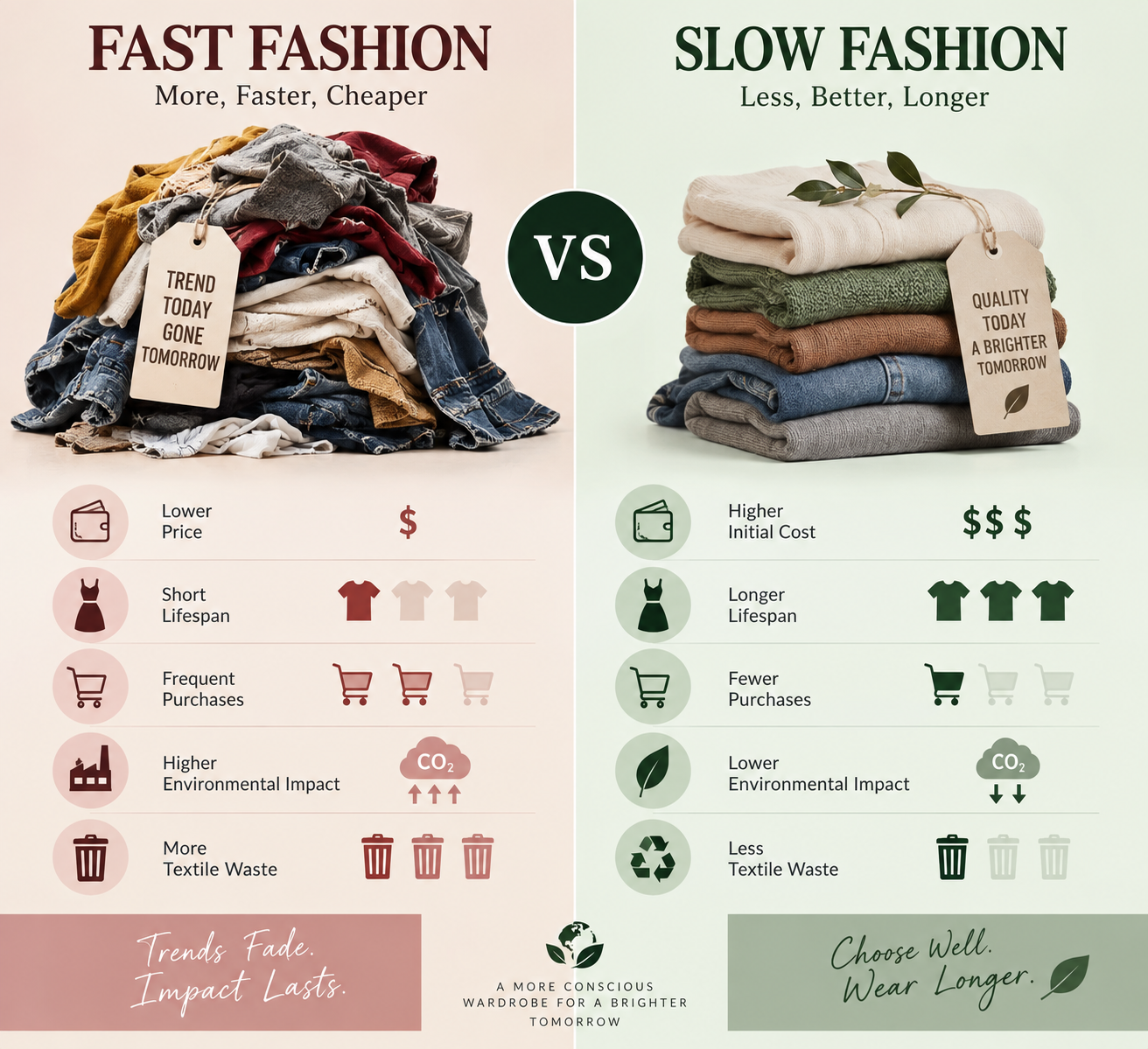
The fast fashion vs slow fashion comparison doesn’t have to end with choosing one category exclusively.
A more practical approach is to spend more carefully on pieces that receive heavy use.
Think about:
- Jeans worn several times a week
- Winter coats
- Work trousers
- Everyday shoes
- Plain T-shirts
- Bags used regularly
For occasional partywear or rapidly changing trends, buying inexpensive clothing may make more financial sense if the item is genuinely used and eventually passed on, resold or responsibly recycled.
The mistake is buying something simply because it’s cheap.
Ask One Question Before Buying
Before purchasing another $20 top, consider:
“Will this still be worth owning after 20 wears?”
If the answer is no, the low price may not actually represent good value.
For a $20 garment worn twice, the cost per wear is $10.
For a $70 garment worn 70 times, it’s $1.
That doesn’t make the $70 item universally better. It simply demonstrates why wardrobe decisions become clearer when price is connected to actual use.
Fast Fashion vs Slow Fashion: What Should Shoppers Compare?
When evaluating clothing, look beyond the initial price.
| Factor |
What to Ask |
| Price |
What is the purchase cost? |
| Durability |
How likely is it to survive regular use? |
| Versatility |
Can it work with several outfits? |
| Cost per wear |
How many times will it realistically be worn? |
| Care |
Does it require expensive or difficult maintenance? |
| Repairability |
Can small damage be repaired? |
| Resale |
Could someone else use it later? |
| End of life |
Can the material be reused or recycled? |
The Real Lesson Behind the Price Tag
The fast fashion vs slow fashion debate becomes much more useful when it moves away from labels and toward behaviour.
A cheap garment worn repeatedly can deliver excellent value. An expensive garment left untouched in a wardrobe does not. But when a higher-quality piece genuinely replaces several short-lived purchases, its economics can change dramatically.
The simplest takeaway is this: don’t ask only “How much does it cost?” Ask “How many times will I actually wear it?”
That one question can make a $100 garment look surprisingly affordable and a $15 impulse purchase surprisingly expensive.
FAQs
1. Is slow fashion always cheaper?
No. Slow-fashion products can have significantly higher upfront prices. They become financially attractive when their longer useful life produces a lower cost per wear.
2. Is fast fashion always poor quality?
No. Quality varies considerably between brands, garments and materials. Price alone cannot determine durability.
3. How many wears make clothing worthwhile?
There is no universal number. The useful calculation is to divide the purchase price by the realistic number of times you expect to wear the item.
Also Read: EGOHOME Mattress Review: A CertiPUR Memory Foam Bed on a Budget
by parth@bidkinetic.com | Sep 19, 2026 | Health
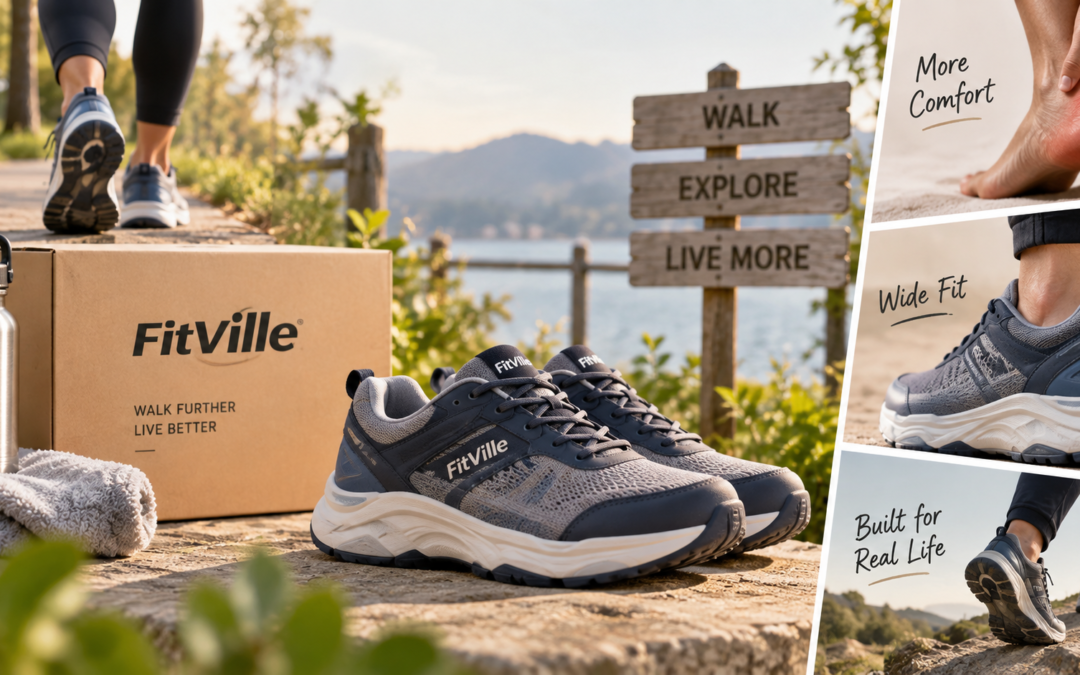
Finding genuinely comfortable shoes for wide feet can be surprisingly difficult. A shoe may be labelled “wide” but still squeeze the toes, while going up a size often creates too much length without solving the width problem. This FitVille shoes review testing and research focused on the details that matter most for difficult-to-fit feet: toe-box room, available widths, cushioning, arch support, stability, everyday comfort and how consistent the fit is across models.
FitVille’s Rebound Core range is built around its wide-fit approach, with options extending into extra-wide sizes. Current customer feedback on the brand is substantial: FitVille’s Trustpilot profile has more than 18,500 reviews, with 60% rated five stars and 17% rated one star at the time of review. A men’s Rebound Core listing on Walmart also carries a 4.5/5 rating from 958 ratings (September 2026).
FitVille clearly solves a real problem for many people, but the experience isn’t identical across every foot or every shoe. The biggest question isn’t simply whether FitVille makes wide shoes. It’s whether the particular model provides the right combination of width, depth, cushioning and support.
The First Thing You Notice: The Toe Box
The most convincing part of the FitVille concept is the amount of room around the forefoot.
The Rebound Core line is specifically designed with wider fits, and customer reviews repeatedly mention the additional space around the toes. Walmart reviewers describe the shoes as roomy and supportive, including buyers who have struggled to find larger sizes and extra-wide footwear elsewhere.
That extra space can make a meaningful difference for people whose feet become uncomfortable when the forefoot is compressed.
The women’s Rebound Core range also receives similar feedback. FitVille’s own customer reviews mention room for toes, bunions and orthotic inserts. One reviewer specifically described being able to use an orthotic while retaining room inside the shoe.
Still, “wide” doesn’t mean every FitVille model will fit every wide foot. Foot shape matters, particularly around the heel and arch.
Cushioning: Soft Without Feeling Completely Flat
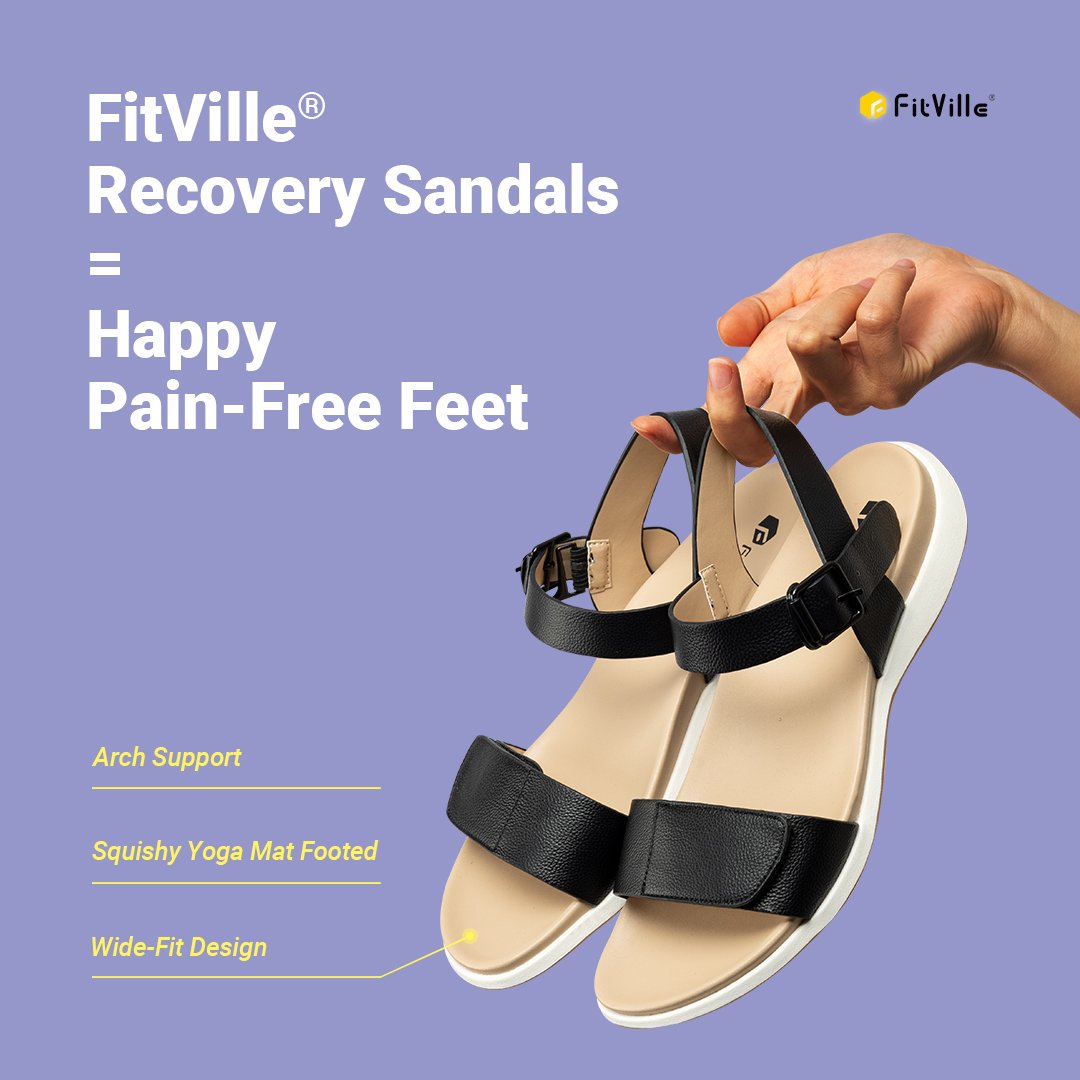
FitVille’s Rebound Core technology is designed around cushioning and impact absorption. The shoes generally have noticeably substantial midsoles rather than the flatter construction found on minimalist footwear.
That works particularly well for walking and long periods on hard surfaces.
- A current Walmart reviewer wearing a men’s Rebound Core in size 15 Wide reported that the cushioning provided substantial support during all-day work.
- Another buyer wearing a 12.5 XX-Wide said the fit finally worked for feet that had been difficult to accommodate.
The trade-off is that the shoes can feel more substantial underfoot.
- People who prefer a very low-profile or barefoot-style shoe may find the construction bulky.
Fit and Sizing Need More Attention Than the Marketing Suggests
This is where the FitVille shoes review becomes less straightforward.
FitVille offers multiple widths, but width labels shouldn’t replace measuring your feet.
- Zappos’ customer data for the Rebound Core Wide Walking Shoe found that 82% of surveyed buyers felt the shoe was true to size and 74% felt it was true to width.
- That’s encouraging, but it also means a meaningful minority experienced something different.
There are also model-specific differences.
- A FitVille women’s Rebound Core V9 review page includes customers who loved the roominess, while another said the model didn’t provide enough support for an all-day job.
The safest approach is to measure both feet and check the measurements for the exact model rather than assuming every FitVille shoe fits identically.
How They Perform During Long Days

This is where the brand makes the most sense.
FitVille shoes are aimed heavily at people who spend significant time walking or standing. Customer reports include people using them for long shifts, daily walking, work and recreational activities.
One current European review describes wearing the women’s Rebound Core V9 during 12-hour shifts while dealing with wide feet, corns and orthotic insoles. The reviewer reported less foot discomfort and enough room for the toes and inserts.
That doesn’t mean the shoes treat foot problems. They don’t. People with persistent pain, significant deformities or diagnosed foot conditions should still get appropriate professional advice rather than assuming footwear alone will solve the issue.
But for footwear comfort, the combination of width, cushioning and removable/roomy interiors can be useful.
What About Arch Support?
Arch support varies by model, so this is not an area where one FitVille rating applies universally.
The men’s Rebound Core has received positive feedback from customers who specifically wanted more support. FitVille’s product page currently shows reviews describing reduced foot and leg discomfort and support for people with neuropathy.
At the same time, some users find the support position doesn’t match their foot shape. Older Zappos reviews include both positive experiences with bunions and negative reports involving arch placement and unusual fit.
That variation is worth remembering if arch support is your main reason for shopping.
| Category |
Novareads Assessment |
| Wide toe box |
4.5/5 |
| Width selection |
4.5/5 |
| Cushioning |
4.5/5 |
| Everyday walking |
4.5/5 |
| Long periods of standing |
4/5 |
| Arch support |
4/5 |
| Style |
3.5/5 |
| Fit consistency |
3.5/5 |
| Overall |
4.2/5 |
Build Quality: Good, But Don’t Assume Every Model Is Identical

The FitVille shoes review findings suggest that construction quality can vary by model and use.
There are plenty of positive durability reports, but negative experiences exist too. Recent online discussions include complaints about synthetic uppers, breathability and outsole wear, while other owners report comfortable shoes that hold up well under regular use.
That makes it difficult to call FitVille universally durable. The material, shoe model, walking surface and frequency of use will all influence longevity.
For someone buying a pair primarily for comfort, however, the width and cushioning are more consistently praised than the styling or long-term durability.
Are FitVille Shoes Worth Buying?
The strongest case for FitVille is straightforward: people who genuinely need extra width have more options here than they typically find in mainstream footwear ranges.
The FitVille shoes review experience also shows why buying based only on the “wide feet” label isn’t enough. Measure carefully, check the precise width offered by the model and consider where the arch and heel sit on your foot.
FitVille is particularly compelling for walking, everyday wear and jobs that involve standing for hours. The shoes aren’t necessarily the right choice for someone looking for lightweight performance footwear or a sleek minimalist design.
Pros
- Multiple wide and extra-wide options
- Spacious toe boxes
- Strong cushioning
- Several models accommodate orthotic inserts
- Good selection for walking and standing
- Many positive customer reports
- Often less expensive than premium orthopaedic-style footwear
Cons
- Fit can vary between models
- Some users report inadequate support
- Styling is more functional than fashion-focused
- Durability feedback is mixed
- Wide labeling doesn’t guarantee a perfect fit
Final Verdict
The FitVille shoes review verdict is that the brand fills a genuine gap in the footwear market. Its strongest feature isn’t a flashy technology claim; it’s the simple fact that many models give wide-footed users more physical room where conventional shoes often don’t.
The customer data backs up much of that appeal, although the mixed reviews show that FitVille isn’t universally comfortable.
For wide feet, bunions, large sizes or long hours on your feet, FitVille is worth considering. Just don’t order solely from the width label. Measure your feet, compare the exact model’s sizing and choose the construction that matches how you actually use your shoes. That extra few minutes of research could make the difference between a genuinely comfortable pair and another disappointing online shoe purchase.
FAQs
1. Do FitVille shoes run true to size?
Fit can vary between models. Customer feedback generally suggests that many FitVille shoes are close to their stated size, but width and foot shape can affect the experience. Measuring both feet and checking the sizing information for the specific model is recommended.
2. Are FitVille shoes good for standing all day?
They can be. Cushioning, a wider fit and supportive construction make several FitVille models suitable for people who spend long periods standing or walking. However, the ideal model depends on your foot shape and the type of work you do.
3. Do FitVille shoes help with foot pain?
They may improve comfort for people whose discomfort is related to restrictive or poorly fitting footwear. However, they should not be considered a treatment for an underlying medical condition. Persistent or severe foot pain should be evaluated by a qualified healthcare professional.
Also Read: How to Start Working Out After Years Off: A 4-Week On-Ramp
by parth@bidkinetic.com | Sep 18, 2026 | Fashion
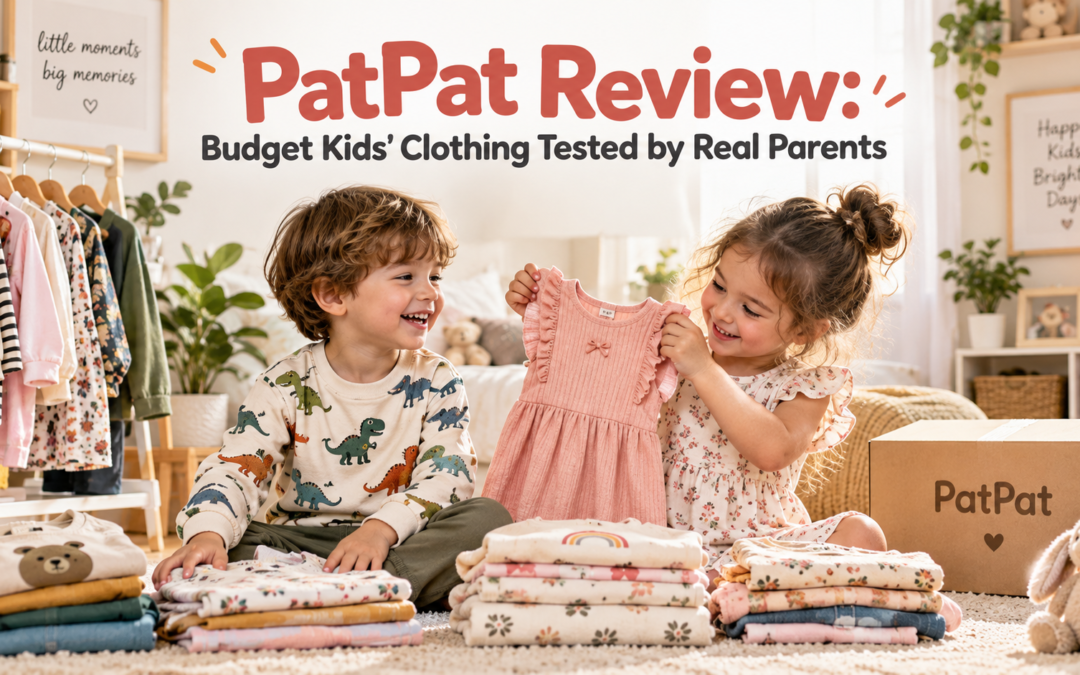
Buying kids’ clothes online is one of those things that looks easier than it is. A cute outfit can cost very little, but the real test comes when it arrives: Does the fabric feel decent? Is the size accurate? Will the print survive washing? And, perhaps most importantly, will a child actually wear it comfortably? For this PatPat review, Novareads looked at the details parents care about most, combining PatPat’s current sizing, shipping and return policies with recent customer feedback and parent experiences.
PatPat has grown into a large online family-fashion retailer, covering baby clothing, toddler and kids’ outfits, pyjamas, shoes, accessories and matching family sets. Its current size system covers 1,500+ products with measurement charts, using height, weight and body measurements rather than relying only on age labels.
The result is a familiar budget-shopping trade-off: plenty of cute designs and low prices, but parents need to pay closer attention to sizing, material details and delivery expectations.
What Parents Actually Get
PatPat’s biggest attraction is variety.
- The catalog is filled with everyday outfits, holiday clothes, character-inspired designs, pyjamas, dresses, sets and matching family looks.
The parent feedback is interesting because it isn’t completely one-sided.
- PatPat’s current Trustpilot profile has a 4.2/5 TrustScore from more than 32,000 reviews, with recent customers praising clothing quality, designs, customer service and matching outfits.
- At the same time, reviews mention occasional sizing problems, delivery delays, incorrect packages and differences in fabric quality.
That mixed experience is important.
- PatPat doesn’t appear to be a brand where every item delivers exactly the same level of quality.
Fabric & Quality: Better Than the Price Suggests?
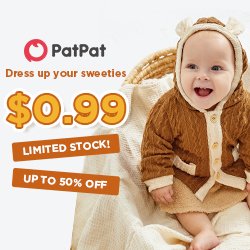
This is where expectations matter.
Some parents report surprisingly good quality for the price. Recent Trustpilot reviews mention durable clothing, comfortable fabrics and garments that hold up through repeated washing.
Older parent discussions are more mixed.
Some buyers found certain pieces thicker and better made than expected, while others reported thin fabrics, rougher materials or prints that didn’t feel particularly durable.
From our assessment, the safest conclusion is that PatPat quality is item-specific. A structured dress, cotton set and printed pajama may feel completely different even when their prices are similar.
Parents buying everyday basics should therefore check the product description and fabric composition rather than choosing solely from photographs.
Sizing: The Part Parents Shouldn’t Guess
Sizing deserves more attention than it normally gets with children’s clothing.
PatPat currently publishes detailed charts in inches and centimeters for babies, toddlers, children and adults. For example, its current kids’ chart puts 5-6Y around 44-46 inches in height and 42-49 pounds, while 9-10Y corresponds to approximately 53-55 inches and 71-84 pounds.
The company itself has also acknowledged that sizing needs to be interpreted by measurements rather than simply assuming that an age label will match another retailer.
| Area |
Novareads Assessment |
| Design variety |
Excellent |
| Price |
Budget-friendly |
| Fabric consistency |
Varies by item |
| Sizing |
Check measurements carefully |
| Matching outfits |
Strong selection |
| Shipping |
Depends on country and warehouse |
| Returns |
30-day window for eligible items |
| Best for |
Trendy outfits, occasions & matching looks |
The practical rule is simple: measure the child before ordering clothes. For fast-growing kids, sizing up may make sense for some everyday clothes, but it isn’t automatically the right answer for every garment.
Shipping: Don’t Leave It Until the Last Minute
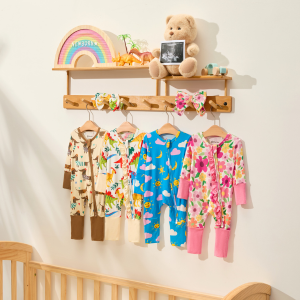
PatPat offers different shipping methods depending on the destination, including standard and express options. Delivery estimates vary by country, warehouse and shipping method.
For U.S. orders, PatPat currently lists 2-5 business days for eligible local-warehouse Quick Ship orders and 6-11 business days for standard overseas-warehouse shipping, with different rates and timeframes for certain territories.
Parents should therefore avoid ordering a birthday outfit, holiday dress or school-event clothing at the last minute. Recent Trustpilot reviews include praise for fast delivery, but shipping delays and tracking problems also appear among complaints.
Returns: A Better Policy Than Before
PatPat’s current return policy allows eligible returns to be initiated within 30 days after delivery. Items generally need to be unworn, unwashed, undamaged, clean and have their original tags attached. The company currently advertises free returns for eligible orders, subject to its detailed free-return conditions.
That makes checking the clothing as soon as it arrives particularly important. If something is the wrong size or doesn’t look as expected, don’t wash it before deciding whether to return it.
Are the Matching Family Outfits Worth It?
This is arguably where PatPat has the most fun.
Matching pyjamas, holiday outfits and coordinated family sets are a major part of the catalog. Parents frequently mention these sets positively in customer reviews, and recent Reddit discussions show that families continue to use PatPat for affordable coordinated outfits and photos.
For occasional events, vacations, family photographs or themed celebrations, the value proposition is easier to justify than buying an entire everyday wardrobe.
What Parents Should Watch Out For
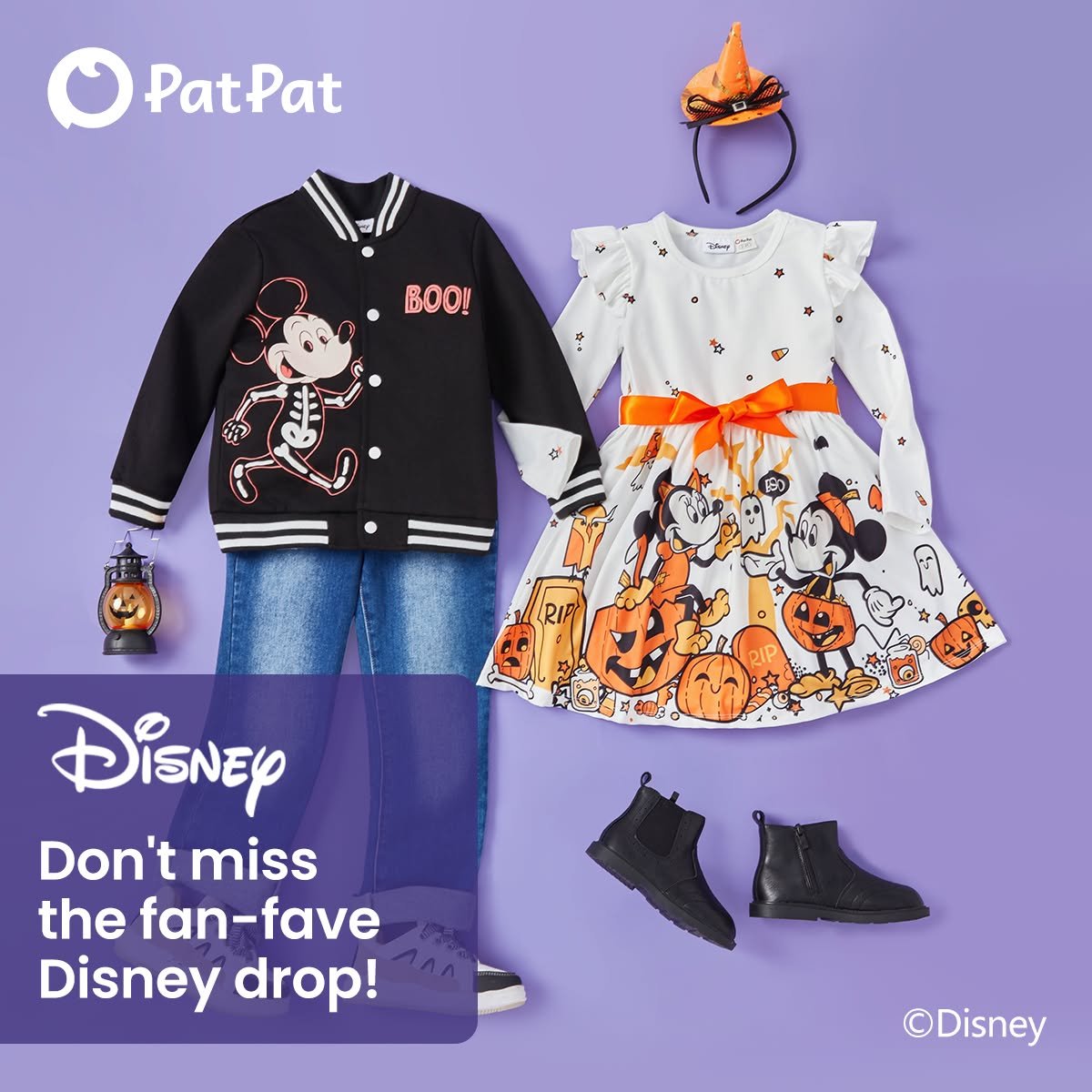
The PatPat review experience becomes much more positive when expectations are realistic.
Don’t assume the photograph tells the whole story. Read the material information, check measurements, look through customer photos when available, and allow enough time for delivery.
Another point worth remembering: PatPat is positioned around affordable fashion. Some pieces may become favorites, while others may feel more disposable. That’s not necessarily a problem if the purchase is for a one-time event, but it matters if the goal is hand-me-down durability.
PatPat Review: Pros & Cons
Pros
- Huge variety of children’s styles
- Very strong selection of matching family outfits
- Budget-friendly pricing
- Detailed size charts
- 30-day return window for eligible items
- Large volume of customer feedback
Cons
- Quality can vary between products
- Sizing requires careful measurement
- Delivery times vary by destination
- Some customer reviews report tracking or order issues
- Not every item is equally suited to repeated everyday wear
Final Verdict
This PatPat review doesn’t point to a simple “great” or “avoid” answer. PatPat is strongest when parents want cute designs, matching outfits and low prices without expecting every garment to have premium-brand construction.
The biggest lesson from the parent feedback is to shop by product, not just by brand. Check the measurements, fabric, reviews and delivery estimate before ordering.
For everyday basics, durability may matter more than the bargain price. For holiday outfits, matching pyjamas, birthday clothes or a family photo session, PatPat’s combination of variety and affordability becomes much more compelling.
Novareads’ takeaway: PatPat is worth considering for budget-conscious parents, provided they treat sizing and product selection as part of the purchase, not as an afterthought.
PatPat Review: FAQs
- Is PatPat good quality?
Quality varies by item. Many recent customers praise the materials and durability, while other reviews report inconsistent fabric quality.
- Does PatPat run true to size?
Not universally. PatPat provides detailed product-specific measurements, and parents should use those measurements rather than relying only on age labels.
- Can PatPat clothes be returned?
Eligible items can generally be returned within 30 days after delivery, provided they meet the company’s condition requirements.
Also Read: Is Shein Worth It in 2026? Quality, Sizing, and What to Avoid

by parth@bidkinetic.com | Sep 18, 2026 | Travel
Booking a vacation increasingly means piecing together flights, attraction tickets, tours, airport transfers, eSIMs, rail passes and other activities across several websites. Pelago tries to bring those purchases into one platform. This Pelago review looks at how well that approach works in practice, what travelers actually get for their money, and where the platform has limitations.
Pelago is a travel experiences platform owned by Singapore Airlines and currently lists 200,000+ experiences across 2,000+ destinations. Its categories include attractions, tours, transport, eSIMs, wellness, cruises, theme parks, rail passes, food tours and activities. The platform also has a mobile app and integrates with Singapore Airlines’ KrisFlyer program.
That combination makes Pelago more than a conventional attraction-ticket website. But the real question is whether it provides enough value and convenience to justify using it instead of booking directly or comparing platforms such as Klook and GetYourGuide.
What Does Pelago Offer?
The catalog is one of Pelago’s strongest points.
The platform covers everything from major attractions and city tours to airport transfers, eSIMs, cruises, classes and transport passes. Popular listings currently include Universal Studios Singapore, Gardens by the Bay, Singapore Zoo, Formula 1 Singapore Grand Prix experiences and various rail and travel products.
The range is particularly useful when planning a trip with several moving parts. Instead of buying an attraction ticket from one site and an airport transfer from another, Pelago can potentially handle both.
However, availability isn’t identical across every destination. Some cities have extensive choices, while smaller destinations may have a much narrower selection.
Pricing: Are Pelago Deals Actually Good?

Price is where a little comparison shopping makes sense.
- Pelago advertises exclusive deals, including promotional offers for Singapore Airlines and Scoot passengers, while KrisFlyer members can access rewards and selected promotions.
- The homepage currently advertises 10% off the first two bookings for new users, subject to its terms.
Current listings also show competitive prices on several popular Singapore attractions, although prices change regularly.
- For example, Pelago displays Singapore Oceanarium tickets from around US$32.10 and Gardens by the Bay tickets from around US$7.98, alongside ratings and review counts. (As of September 2026)
That doesn’t mean Pelago will always be the cheapest option.
- Taxes, promotional codes, membership benefits, cancellation conditions and supplier pricing can change the final comparison.
The better approach is to compare the final checkout price, not the headline discount.
This is arguably Pelago’s most distinctive feature.
KrisFlyer members can earn miles on eligible Pelago purchases. Current terms state that members earn 3 KrisFlyer miles per S$1 spent, unless a product or checkout page specifies otherwise. Eligible bookings can also earn Elite miles and PPS Value.
Miles are credited after the experience has been completed, and Pelago states that travelers should allow up to one week for the credit to appear.
Members can also redeem KrisFlyer miles through Pelago at 100 miles per S$1, subject to the applicable terms and minimum redemption requirements.
For travelers already collecting KrisFlyer miles, this can change the value calculation considerably.
Booking Experience: Is Pelago Easy to Use?

The website is straightforward. Destination and activity searches are easy to find, and listings generally display prices, ratings, availability and important booking information before checkout.
The platform also launched its mobile app in 2024, giving users another way to manage bookings while traveling.
Independent customer feedback broadly supports the convenience angle. At the time of review, Pelago had a 4.6/5 TrustScore on Trustpilot from 403 reviews, with recent reviewers frequently mentioning simple booking, quick confirmation and competitive pricing. However, some reviews mention voucher issues, confusing options, slower support responses and restrictive cancellation policies.
That mix is worth keeping in mind: a smooth booking interface doesn’t guarantee that every third-party experience will run perfectly.
Cancellation and Refunds: Read the Fine Print
There isn’t one universal cancellation policy covering every Pelago booking.
The conditions are attached to individual experiences. For example, a current Bintan ferry listing allows refunds when cancelled at least five days before departure but makes cancellations inside that window non-refundable. Amendments also have specific deadlines and fees.
This means the cancellation section should be checked before payment, particularly for tours, transport and timed attractions.
| Feature |
Pelago Review |
| Experiences |
200,000+ |
| Destinations |
2,000+ |
| Main categories |
Tours, attractions, transport, eSIMs, cruises, wellness & more |
| Mobile app |
Yes |
| KrisFlyer rewards |
Yes |
| Current standard earning |
3 miles/S$1 on eligible bookings |
| Cancellation |
Depends on individual experience |
| Customer feedback |
Generally positive, with some complaints |
| Best suited for |
Travelers booking multiple experiences |
Customer Service: What Happens When Something Goes Wrong?

Pelago provides customer support through its platform, and its official site emphasizes verified reviews, secure payments and service standards.
Recent Trustpilot feedback includes travelers praising support teams for resolving issues, while other customers have reported slower responses.
The important distinction is that Pelago often works with local experience providers. Therefore, the quality of the actual tour, guide, transport operator or attraction experience can depend on the third-party supplier rather than Pelago alone.
Pros and Cons
Pros
- 200,000+ experiences across 2,000+ destinations
- Strong selection of attractions and travel essentials
- KrisFlyer earning and redemption
- Mobile app
- Regular promotions
- Verified customer reviews on listings
Cons
- Not every experience is the cheapest available
- Cancellation terms vary by activity
- Some third-party experiences may have voucher or redemption issues
- Customer support experiences can vary
Is Pelago Worth Using?
This Pelago review finds that the platform makes the most sense for travelers who value convenience and especially for those who already use Singapore Airlines or KrisFlyer.
The combination of attraction tickets, tours, transport, eSIMs and other travel products creates a useful one-stop booking platform. The KrisFlyer integration is another genuine differentiator rather than simply another loyalty badge.
For price-sensitive travelers, though, Pelago shouldn’t automatically be treated as the cheapest option. Comparing the same activity elsewhere before checkout can reveal better prices or more flexible cancellation terms.
Overall, Pelago is best viewed as a travel-experience marketplace with a strong loyalty-program advantage, rather than simply another place to buy attraction tickets.
FAQs
- Is Pelago legitimate?
Yes. Pelago is part of the Singapore Airlines Group and operates as a travel experiences booking platform.
- Is Pelago cheaper than other travel sites?
Not consistently. Prices vary by activity, destination, promotion and booking conditions, so comparing the final price is recommended.
- Can Pelago bookings be cancelled?
Some can, while others are non-refundable or have specific cancellation deadlines. Always check the individual activity’s policy before booking.
Also Read: Weg Review 2026: Is It Worth Using for Travel Bookings?