
by parth@bidkinetic.com | Nov 23, 2026 | Health
Recovery has become a major part of fitness culture. From gym beginners to marathon runners, people are investing in massage guns, foam rollers, massage balls and compression tools to reduce soreness and get back to training sooner. But does expensive recovery equipment actually make a difference? Research suggests that some tools can help with short-term muscle soreness, flexibility and perceived recovery, but they are not shortcuts to muscle repair. A 2020 systematic review published in Frontiers in Physiology found that foam rolling can improve range of motion and may reduce delayed-onset muscle soreness (DOMS), while evidence for some other recovery methods remains less conclusive. The growing market for recovery gear makes it difficult to separate useful equipment from clever marketing.
Massage guns promise deep muscle relief, rollers are promoted as essential post-workout tools, and newer gadgets claim to speed up recovery. Understanding what each tool can realistically do helps you spend wisely and build a recovery routine that supports your training rather than complicates it.
Massage guns use rapid, repeated percussive movements to apply pressure to soft tissue. They are commonly used before workouts to prepare muscles and afterwards to ease the feeling of tightness.
Research indicates that percussive therapy may temporarily improve flexibility and range of motion. Some users also report reduced muscle soreness. However, evidence that massage guns accelerate muscle repair, prevent injuries or improve long-term athletic performance is still limited.
What they are good for:
- Temporarily easing the sensation of tight muscles.
- Improving short-term range of motion.
- Providing targeted massage without needing a therapist.
- Making post-exercise relaxation more convenient.
Where the hype begins: A massage gun cannot erase the effects of an excessively demanding workout. It does not replace sleep, adequate nutrition or rest days. More pressure is not necessarily more effective either. Avoid using it directly over bones, joints, the front of the neck, bruises or injured areas. People with medical conditions affecting circulation, sensation or bleeding should seek professional advice before using percussion devices.
Foam Rollers: Simple Equipment, Useful Results
Foam rollers are among the most accessible recovery tools. They use body weight to apply pressure across muscles, allowing users to work on areas such as the calves, quadriceps, hamstrings, glutes and upper back.
Unlike the dramatic claims often made in fitness marketing, foam rolling does not literally break up scar tissue or flush toxins from muscles. Its more realistic benefits include temporarily improving mobility, reducing the perception of soreness and helping people feel more comfortable after exercise.
A practical session can take around 5-10 minutes. Move slowly over the muscle, pause briefly on sensitive areas and avoid rolling directly over joints or the lower back.
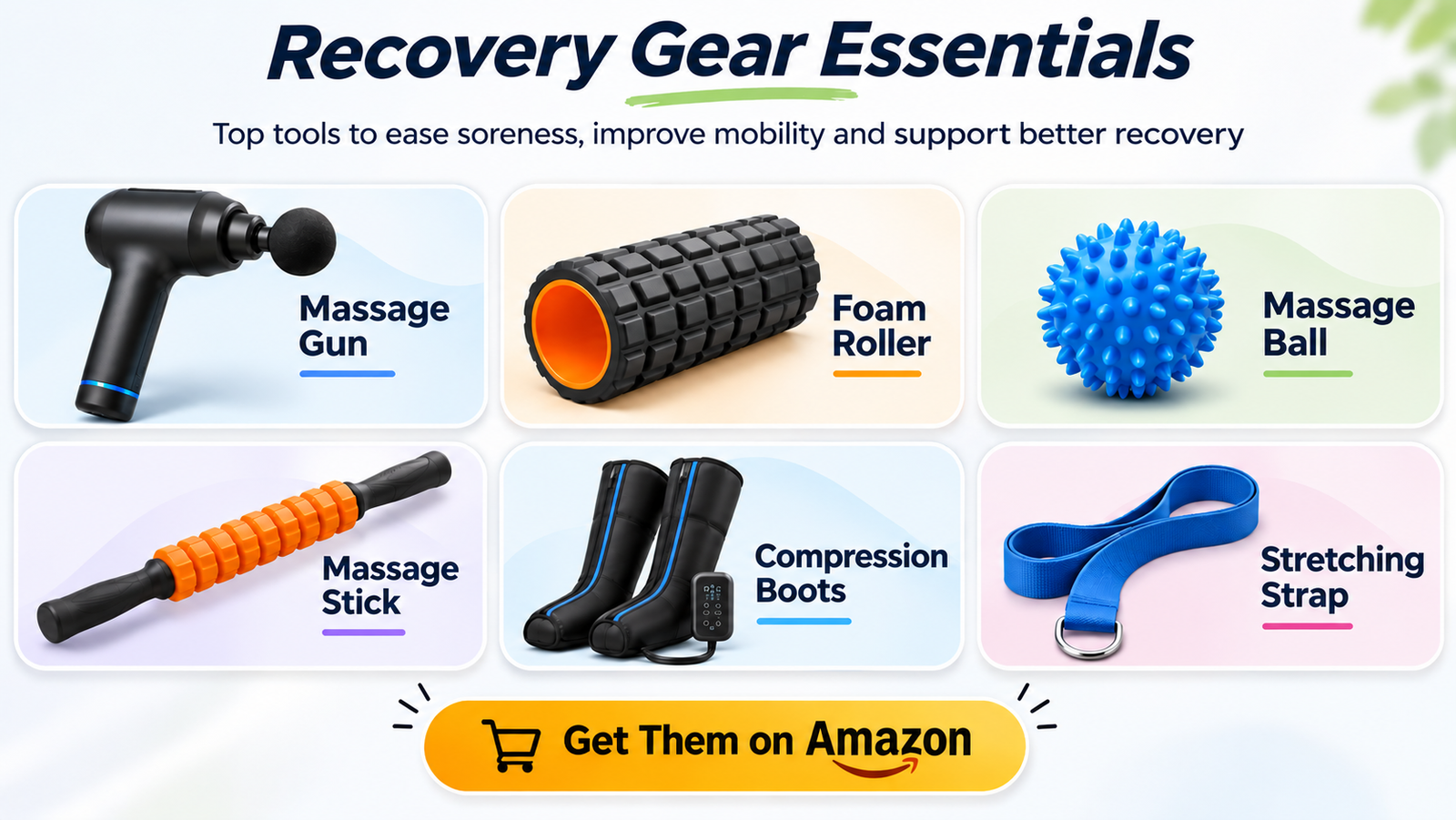
Not every useful recovery tool needs a motor or an expensive design. Massage balls can target smaller areas that are difficult to reach with a foam roller, including the soles of the feet, glutes and muscles around the shoulder blades.
Other popular options include:
- Massage sticks: Useful for applying controlled pressure along the calves, thighs and arms.
- Compression boots: Apply intermittent pressure to the legs and may help with perceived recovery, although evidence for major performance benefits is still developing.
- Stretching straps: Help support controlled stretching and mobility exercises.
- Cold therapy tools: May temporarily reduce soreness, but frequent cold-water immersion immediately after strength training may interfere with some muscle-growth adaptations.
The right choice depends on your activity, comfort and budget, not how impressive the product looks online.
Recovery Gear Compared: What Is Worth Buying?
Before purchasing another fitness gadget, consider what you want it to help with. A tool that improves flexibility may not necessarily reduce soreness, and something that feels relaxing may not improve your next workout’s performance.
| Recovery tool |
Most useful for |
Evidence and limitations |
| Massage gun |
Temporary muscle tightness and mobility |
Some short-term benefits, but research remains limited |
| Foam roller |
Flexibility and perceived muscle soreness |
Good evidence for short-term range-of-motion improvements |
| Massage ball |
Targeted pressure on smaller muscle areas |
Useful for localised self-massage; fewer studies |
| Massage stick |
Applying pressure to larger muscle groups |
Convenient, but benefits depend on technique |
| Compression boots |
Perceived leg recovery after exercise |
Evidence is mixed; expensive models are not automatically better |
| Stretching strap |
Controlled stretching and mobility |
Useful for flexibility, but not a direct muscle-repair tool |
A systematic review published in 2023 examined massage-gun research and found that only 11 studies met its inclusion criteria. The results suggested possible improvements in flexibility and certain recovery measures, but did not establish consistent performance benefits.
Foam rolling has comparatively stronger evidence for improving short-term range of motion. A meta-analysis of 26 trials found improvements compared with doing no exercise, although foam rolling was not significantly better than stretching.
What’s Actually Hype in the Recovery Market?
The biggest misconception is that recovery equipment speeds up every aspect of muscle repair. Most tools offer temporary relief, improve comfort or help with mobility. They do not automatically restore muscle strength or eliminate fatigue.
Be cautious about products claiming to:
- Remove lactic acid and toxins from muscles.
- Repair damaged muscle fibres instantly.
- Prevent all post-workout soreness.
- Guarantee faster muscle growth.
- Replace physiotherapy or medical treatment.
For example, a 2023 review of sports recovery strategies found stronger evidence for foam rolling and some established recovery methods, while massage guns and recovery boots had comparatively weaker or mixed evidence.
There is also a reason to be selective about cold therapy. Cold-water immersion may help athletes feel better between demanding sessions, but routinely using it immediately after strength training may interfere with some muscle-building adaptations. The right recovery method depends on the training goal.
How to Choose the Right Recovery Gear
You do not need a complete collection of equipment to recover well. Start with your most common training-related problem.
- For general gym workouts: A basic foam roller is an affordable starting point for mobility and self-massage.
- For runners and cyclists: A massage ball or roller can help target calves, glutes and thighs.
- For people with limited time: A massage gun may be convenient, provided it is used gently and safely.
- For athletes with demanding schedules: Compression boots may be worth considering for comfort, but weigh their cost against the uncertain performance benefits.
Use recovery gear as an optional addition to a consistent routine. Avoid applying intense pressure to injured, swollen or bruised areas, and stop if a tool causes sharp pain, numbness or unusual discomfort. If you have a medical condition, circulation problems or a recent injury, check with a healthcare professional before using these devices.
The Final Takeaway
The best recovery routine is not the one with the most gadgets. It is the one that helps you train consistently without ignoring your body’s need for rest. Recovery gear can make mobility work and post-workout relaxation more convenient, but sleep, adequate nutrition, hydration and sensible training loads remain the foundation. Buy equipment for a clear purpose, not because a fitness trend promises instant results.
FAQs About Recovery Gear
1. Are massage guns better than foam rollers?
Not necessarily. Massage guns offer convenient, targeted percussion, while foam rollers are useful for mobility and self-massage. Foam rolling has more established evidence for improving short-term range of motion. Your choice should depend on comfort, budget and purpose.
2. How often should I use a foam roller?
Many people use one for around 5–10 minutes after exercise or during mobility sessions. There is no universal schedule. Use comfortable pressure and avoid rolling directly over joints or injured areas.
3. Can a massage gun reduce muscle soreness?
It may help some people feel less stiff or improve flexibility temporarily, but results vary. Research has not established that massage guns consistently prevent soreness or speed up muscle repair.
Also Read: The Psychology of Sales: How to Stop Overbuying During Discounts

by parth@bidkinetic.com | Nov 23, 2026 | Science
This matters particularly in countries such as India, where hot weather, humidity, outdoor work and long commutes can increase fluid loss. Instead of following a fixed number blindly, it helps to understand what hydration actually means, how the body regulates fluids and which popular beliefs deserve a second look.
Why Does Your Body Need Water?
Water supports nearly every major function in the body. It helps regulate temperature through sweating, carries nutrients, supports digestion, lubricates joints and allows the kidneys to remove waste through urine. It also helps maintain blood volume and normal cell function.
When fluid loss exceeds intake, dehydration can develop. Early signs may include thirst, a dry mouth, darker urine, headaches and reduced physical performance. More severe dehydration can cause dizziness, confusion and other serious symptoms.
5 Common Hydration Myths You Should Stop Believing
Many hydration myths come from simplified advice that ignores individual differences. Here is what the evidence actually suggests.
Myth 1: Everyone Must Drink Eight Glasses of Water a Day
The eight-glass rule is easy to remember, but it is not a universal medical requirement. A person’s fluid needs depend on their activity, body size, environment and diet. Someone working outdoors in hot weather may need considerably more fluid than someone spending most of the day indoors.
The National Academies’ adequate intake figures are population-based reference values, not strict minimums that every individual must meet. Thirst, meals and everyday drinking habits help healthy adults regulate their intake.
Myth 2: Only Plain Water Counts Towards Hydration
Plain water is an excellent everyday choice, but it is not the only source of fluid. Milk, soups, tea and other beverages also contribute to total water intake. Fruits and vegetables such as cucumber, watermelon, oranges and strawberries provide water as well.
Coffee and tea are also generally counted towards fluid intake when consumed in moderation. Their caffeine content does not automatically cancel out their hydrating contribution.
Myth 3: If You Feel Thirsty, You Are Already Severely Dehydrated
Thirst is a natural signal that encourages you to drink. It does not automatically mean you are dangerously dehydrated. For most healthy adults, it is a useful everyday guide.
However, thirst alone may not be reliable in every situation. Older adults, people exercising intensely, and those working in high temperatures should pay closer attention to fluid intake because their needs or thirst responses may differ.
Myth 4: Drinking More Water Always Means Better Health
More is not necessarily better. Drinking excessive amounts of water, particularly in a short period, can dilute sodium in the blood and cause a condition called hyponatremia. In severe cases, this can become life-threatening.
The kidneys can remove excess water, but their capacity is not unlimited. Avoid forcing yourself to drink large quantities simply to reach a target.
Myth 5: Sports Drinks Are Necessary After Every Workout
Sports drinks can help replace electrolytes during prolonged, intense exercise or substantial sweating. However, most people doing routine activities or moderate workouts do not need them. Plain water is generally sufficient for everyday hydration.
For long exercise sessions in hot conditions, fluid and electrolyte replacement should be adjusted to the duration, intensity and amount of sweat lost.

How Much Water Do You Actually Need?
There is no single daily target that works for everyone. The following reference values from the National Academies can help healthy adults understand typical total water intake. Remember, these amounts include drinking water, other beverages and moisture in food.
| Group |
Approximate total water intake per day |
| Adult men |
3.7 litres |
| Adult women |
2.7 litres |
| Pregnant women |
Around 3.0 litres |
| Breastfeeding women |
Around 3.8 litres |
These are adequate intake estimates, not compulsory amounts of plain water. Individual requirements vary.
Your daily needs may increase when you:
- Exercise or perform physically demanding work.
- Spend time outdoors in hot or humid weather.
- Have a fever or experience vomiting or diarrhoea.
- Are pregnant or breastfeeding.
People with kidney, heart or liver conditions, or those advised to restrict fluids, should follow their healthcare professional’s guidance rather than general hydration targets.
Practical Ways to Stay Hydrated Throughout the Day
You do not need to keep counting every glass to maintain healthy hydration. A few consistent habits can make it easier:
- Start your day with water: Keep a glass of water as part of your morning routine.
- Drink with meals: Having water alongside breakfast, lunch and dinner helps build a regular habit.
- Carry a reusable bottle: It is especially useful during travel, outdoor activities and long working hours.
- Include water-rich foods: Add cucumber, watermelon, citrus fruits, tomatoes and soups to your meals.
- Pay attention to urine colour: Pale yellow urine is generally a useful sign of adequate hydration, although vitamins, medicines and certain foods can affect its colour.
- Drink around physical activity: Take fluids before, during and after exercise, adjusting the amount to your sweat loss and conditions.
These habits are more practical than following rigid rules. The aim is to replace the fluids your body loses without drinking excessively.
The Bottom Line
The best way to approach hydration is to understand your body’s needs rather than follow every popular rule. The most persistent hydration myths often turn useful general guidance into strict instructions that do not apply to everyone. Drink regularly, adjust your intake to your activity and surroundings, include water-rich foods and avoid forcing excessive amounts. Good hydration is about balance, not a daily competition to finish a certain number of bottles.
Hydration Myths: FAQs
1. Is drinking three litres of water every day necessary?
No. Three litres may suit some people, particularly those who are active or exposed to heat, but others may need less. Total fluid needs also include beverages and water from food.
2. Can drinking water improve skin health?
Adequate hydration supports normal skin function, but drinking extra water does not automatically clear acne, remove wrinkles or transform skin. The benefits of correcting low fluid intake should not be confused with the effects of drinking beyond your body’s needs.
3. Does drinking water before meals help with weight management?
Water contains no calories and can be a useful replacement for sugary drinks. Drinking it before meals may also help some people feel fuller, but it is not a standalone weight-loss solution.
Also Read: Sleep and Exercise: How Training Time Affects Your Rest

by parth@bidkinetic.com | Nov 21, 2026 | LifeStyle
Exercise is widely recommended for better health, but its relationship with sleep is more complicated than simply working out to feel tired. The time you train, the intensity of your workout and how close it falls to bedtime can all influence how quickly you fall asleep and how well your body recovers overnight. Understanding how training time affects your rest is particularly important for people who exercise after work, follow demanding fitness programmes or struggle to maintain a consistent sleep schedule. According to the CDC, most adults need at least seven hours of sleep each night. Meanwhile, a 2025 study published in Nature Communications, analysing more than 4 million nights of wearable-device data from 14,689 physically active individuals, found that later and more strenuous exercise was associated with delayed sleep onset, shorter sleep duration and lower sleep quality. However, the findings also showed that workouts finishing at least four hours before sleep were not associated with these changes.
The takeaway is not that evening exercise is bad, but that timing and intensity deserve attention.
Why Exercise and Sleep Are Closely Connected
Exercise and sleep influence each other in several ways.
- Physical activity increases energy expenditure, supports cardiovascular health and helps regulate the body’s internal clock.
- Quality sleep, in turn, supports muscle repair, hormonal regulation, immune function and physical performance.
During exercise, heart rate and core body temperature rise.
- After the session, the body gradually returns to its resting state.
- This recovery process is important because the body needs to transition into the physiological conditions that support sleep.
Regular physical activity can help people fall asleep more easily and improve sleep quality. However, an intense workout immediately before bedtime may leave some individuals feeling alert rather than relaxed.
This is why understanding how training time affects your rest requires looking at both workout intensity and the time available for recovery before going to bed.
Morning Workouts: A Good Start to the Day
Morning exercise can be particularly useful for people who struggle to maintain a consistent fitness routine.
Training early offers several practical advantages:
- Exposure to natural daylight can help regulate the body’s circadian rhythm.
- Morning workouts reduce the likelihood of evening commitments interrupting exercise plans.
- Physical activity can improve alertness and help establish a structured daily routine.
- Exercising earlier leaves several hours for the body to recover before bedtime.
Morning training does not automatically guarantee better sleep, but it can work well for people who naturally wake up early.
A brisk walk, cycling session, light strength workout or moderate-intensity run can be a good starting point. If you prefer high-intensity training, mornings may also provide more recovery time before your usual bedtime.
Afternoon Workouts: Finding the Middle Ground
Afternoon exercise offers a useful balance between work commitments and recovery time. Many people find it easier to complete strength training, running or cycling sessions during this period.
Your body is generally more physically prepared for activity later in the day than immediately after waking, although individual differences matter.
Afternoon training can be particularly practical for people who:
- Have flexible work schedules.
- Prefer strength training or longer cardio sessions.
- Find early mornings difficult.
- Want to avoid exercising close to bedtime.
For people who regularly experience difficulty falling asleep after late workouts, moving demanding sessions into the afternoon is worth trying.
Evening Workouts: Do They Really Affect Sleep?
Evening exercise is often blamed for poor sleep, but the evidence is not entirely against it. Moderate-intensity activity in the evening does not necessarily interfere with sleep, particularly when there is enough time to cool down before bed.
The concern is mainly with demanding workouts performed very close to bedtime.
A 2025 study in Nature Communications found that higher exercise strain combined with later training was associated with delayed sleep onset and reduced sleep duration. The researchers analysed over four million nights of wearable data and observed that workouts ending at least four hours before sleep were not associated with measurable sleep disruption.
If evening exercise is your only option, consider these adjustments:
- Finish intense strength training or running earlier whenever possible.
- Choose moderate cycling, walking or light resistance exercises later in the evening.
- Allow time for your heart rate and body temperature to settle.
- Avoid extending workouts so late that they reduce your actual sleeping time.
- Include a short cool-down and gentle stretching routine.
The important thing is to understand how training time affects your rest rather than automatically avoiding evening workouts.

Workout Intensity Matters as Much as Timing
Not every workout places the same demands on the body. A 30-minute walk and a demanding interval-training session may take the same amount of time, but their physiological effects are very different.
High-intensity exercise can increase heart rate, body temperature and nervous system activity. These responses are normal during training, but they may take longer to settle after strenuous sessions.
Consider this practical comparison:
| Workout Type |
Suggested Timing |
Potential Sleep Impact |
| Brisk walking |
Morning or evening |
Generally sleep-friendly |
| Yoga and stretching |
Evening |
Can support relaxation |
| Moderate cycling |
Afternoon or early evening |
Usually well tolerated |
| Strength training |
Morning or afternoon |
Allows recovery before bedtime |
| HIIT workouts |
Morning or afternoon |
May cause alertness if performed very late |
| Intense running |
Preferably earlier |
May delay sleep when performed close to bedtime |
These are general suggestions rather than fixed medical rules. Individual responses vary, and some people tolerate evening training better than others.
Build a Workout Routine That Protects Your Sleep
A fitness programme should improve your health without consistently reducing your recovery time. Start by identifying your usual bedtime and working backwards to decide when demanding workouts should finish.
For example, someone who sleeps at 11 PM might schedule intense training in the morning or afternoon. If evening exercise is unavoidable, a lighter session can be a better option.
Pay attention to three things:
- Sleep consistency: Maintain reasonably regular sleeping and waking times, including weekends.
- Recovery: Avoid scheduling demanding workouts every day without allowing adequate rest.
- Personal response: Track whether late sessions affect the time it takes you to fall asleep, nighttime awakenings or morning energy.
Understanding how training time affects your rest becomes easier when you observe your own sleep patterns instead of following fitness trends blindly.
Common Mistakes That Can Disrupt Recovery
Sometimes poor sleep is not caused by exercise timing alone. Other habits can make recovery more difficult.
Training too late, consuming caffeine before evening workouts, eating heavy meals immediately before bed and ignoring persistent muscle soreness can all affect sleep comfort.
Another common mistake is sacrificing sleep to complete a workout. If you regularly wake up early to exercise but go to bed too late, the resulting sleep deficit may undermine your fitness goals.
Exercise should fit around adequate recovery, not compete with it.
Final Thoughts
Exercise and sleep should work together, not compete with each other. Morning training may suit early risers, afternoon sessions provide a useful middle ground, and evening workouts can remain an option when intensity and timing are managed carefully.
Ultimately, how training time affects your rest depends on your body, workout demands and daily schedule. Instead of chasing a perfect training hour, focus on consistency, adequate recovery and enough sleep. A workout is only truly productive when your body has the opportunity to recover from it.
Frequently Asked Questions (FAQs)
1. Is it bad to exercise immediately before sleeping?
Not necessarily, but intense exercise immediately before bedtime may delay sleep for some people. Gentle stretching and light yoga are generally more suitable for late evenings.
2. Is morning exercise better for sleep than evening exercise?
There is no universally best time. Morning exercise can support consistent routines and daylight exposure, while moderate evening exercise can also be beneficial.
3. How many hours before bed should I finish exercising?
A demanding workout can ideally finish around four hours before bedtime if you notice sleep disruption. However, this is not a universal requirement. Light or moderate exercise may be tolerated closer to bedtime.
Also Read: The Psychology of Sales: How to Stop Overbuying During Discounts

by parth@bidkinetic.com | Nov 21, 2026 | LifeStyle
For millions of office workers, the working day begins at a desk and often ends in almost the same position. Meetings, emails, spreadsheets and long video calls can keep people seated for hours, with little movement between tasks. While regular exercise is important, the amount of time spent sitting during the rest of the day also matters. The World Health Organization (WHO) identifies prolonged sedentary behaviour as being associated with increased risks of cardiovascular disease, type 2 diabetes and mortality. Its guidelines recommend limiting sedentary time and replacing it with physical activity, including light-intensity movement. Standing more at work can be a practical starting point, particularly for employees whose jobs involve prolonged desk work. However, the real objective is not to stand throughout the day. It is to introduce regular movement, alternate working positions and avoid remaining in one posture for too long.
The evidence also suggests that small workplace changes can make a measurable difference. A 2024 systematic review and meta-analysis published in Public Health examined 24 studies involving 3,169 office workers. It found that workplace interventions reduced sitting time by an average of 38 minutes per workday compared with control groups. This is an important finding because improving workplace activity does not necessarily require a complete change in routine or an expensive fitness programme.
Why Spending Too Much Time Sitting Matters
Sitting is not inherently harmful. It becomes a concern when long periods of inactivity become a daily pattern.
During a typical office day, employees may sit while commuting, working, eating lunch and relaxing at home. Even someone who exercises regularly can spend a considerable portion of the remaining day inactive.
Extended sedentary periods are associated with several health concerns, including:
- Increased risk of cardiovascular disease.
- Greater risk of developing type 2 diabetes.
- Musculoskeletal discomfort, particularly around the back, neck and shoulders.
- Reduced opportunities for everyday physical activity.
The important distinction is between exercising occasionally and remaining physically active throughout the day. A morning workout does not automatically compensate for spending almost every remaining hour sitting.
Simple Ways to Introduce More Standing at Work
You do not need to purchase a height-adjustable desk immediately. Several small changes can introduce more movement into an existing office routine.
- Take phone calls while standing: Instead of remaining seated during every call, stand up or walk around when the conversation does not require screen sharing or detailed computer work.
- Move meetings away from the desk: Short one-to-one discussions can sometimes be conducted as walking meetings, particularly when participants do not need presentations or laptops.
- Stand during selected tasks: Reading printed documents, reviewing notes or organising paperwork can often be completed while standing, provided the workstation is suitable.
- Use natural reminders: Refill your water bottle, collect documents or visit a colleague instead of relying entirely on digital communication.
- Break up long sitting periods: Set reminders to change position regularly. Even a short walk to another part of the office can interrupt an extended sitting session.
These adjustments make standing more at work easier because they connect movement with activities employees already perform rather than adding another task to their schedules.
Make Your Desk Work for You
A sit-stand desk can make changing positions considerably easier, especially for employees who spend most of their day working on computers.
However, simply raising a desk does not guarantee a healthier working position. The workstation must be adjusted correctly.
Consider these practical adjustments:
- Keep your monitor at approximately eye level to avoid repeatedly bending your neck.
- Position your keyboard and mouse so your elbows remain close to your body.
- Keep your wrists in a comfortable, neutral position.
- Wear comfortable footwear when working while standing.
- Use an anti-fatigue mat if standing on a hard floor causes discomfort.
If purchasing an adjustable desk is not practical, a stable desk riser may provide a more affordable alternative. Avoid improvised setups that compromise monitor stability or workstation ergonomics.
How Much Standing Is Enough?
There is no universally established standing duration that works for every employee. The objective should be to alternate between sitting, standing and walking rather than replacing one prolonged posture with another.
The European Agency for Safety and Health at Work highlights the risks associated with prolonged static standing and recommends varying working positions. Its guidance also emphasises that movement is important alongside posture changes.
Here is an example of how employees can introduce more movement into a standard eight-hour desk-based workday.
| Work Activity |
Suggested Approach |
Purpose |
| Morning emails |
Stand for selected tasks |
Break up early sitting |
| Phone calls |
Stand or walk |
Introduce light movement |
| Computer work |
Alternate sitting and standing |
Reduce static posture |
| Short breaks |
Walk for 2-3 minutes |
Encourage circulation and movement |
| Team discussions |
Try walking meetings |
Reduce unnecessary desk time |
| Afternoon tasks |
Stand while reviewing documents |
Add posture variation |
| End of workday |
Take a short walk |
Finish the day with movement |
This is a practical example, not a medical prescription. Adjust the frequency and duration according to comfort, job requirements and individual health needs.
What Are the Measurable Benefits?

Workplace movement initiatives are not just theoretical recommendations. Research has demonstrated that they can reduce sedentary time.
The 2024 meta-analysis of 24 studies involving 3,169 office workers found an average reduction of 38 minutes in workplace sitting per workday through combined interventions. These included environmental changes, motivational strategies and other workplace support measures. However, the researchers did not find significant improvements across most measured physical and psychological health outcomes. This distinction matters: reducing sitting time is a measurable behavioural improvement, but it does not automatically guarantee a particular health outcome.
For employees, useful progress indicators include:
- Total sitting time during working hours.
- Number of movement breaks taken each day.
- Time spent walking between tasks.
- Frequency of posture changes.
- Comfort levels during and after work.
Tracking these indicators over several weeks can help employees understand whether workplace adjustments are becoming consistent habits.
Why Standing All Day Is Not the Answer
An important misconception is that standing is always healthier than sitting. In reality, prolonged static standing can contribute to foot discomfort, leg fatigue, lower-back pain and other musculoskeletal problems.
The goal is to avoid remaining in the same position for extended periods.
Employees who experience joint pain, circulation problems, pregnancy-related discomfort or existing musculoskeletal conditions should consider individual ergonomic advice before changing their working arrangements.
A balanced workday should include comfortable sitting, occasional standing and regular movement. This approach is more practical and sustainable than treating a standing desk as a replacement for a traditional chair.
Make Movement Part of Workplace Culture
Individual habits are important, but workplace culture can make them easier to maintain.
- Employers can encourage movement by introducing walking meetings, providing accessible water stations, offering adjustable workstations and allowing short movement breaks between meetings.
Managers can also lead by example.
- When employees see colleagues taking short walks or changing working positions without being judged for leaving their desks, movement becomes a normal part of the working day.
Ultimately, standing more at work should not be treated as another productivity target.
- It should be part of creating a workplace where employees can work comfortably without spending unnecessary hours in one position.
Final Thoughts
A healthier working day does not necessarily require expensive equipment or major changes to office infrastructure. It often begins with recognising how frequently we remain seated and finding practical opportunities to move.
By introducing short walking breaks, alternating working positions and making simple ergonomic adjustments, employees can reduce prolonged sitting and develop more active routines.
The real benefit of standing more at work is not about spending every hour on your feet. It is about moving more frequently, working more comfortably and making everyday activity a natural part of professional life.
FAQs
1. Is standing at work better than sitting?
Neither position is automatically better. Alternating between sitting, standing and walking is generally preferable to maintaining either posture for prolonged periods.
2. How often should I stand up during office hours?
Try changing positions regularly rather than waiting until you experience discomfort. Short movement breaks every 20-30 minutes can be a practical starting point.
3. Can a standing desk help reduce back pain?
It may help some employees by allowing changes in working posture. However, it is not a guaranteed treatment for back pain, and correct ergonomics remain important.
Also Read: How to Remove Background Noise from Audio Recordings
by parth@bidkinetic.com | Nov 21, 2026 | Sports
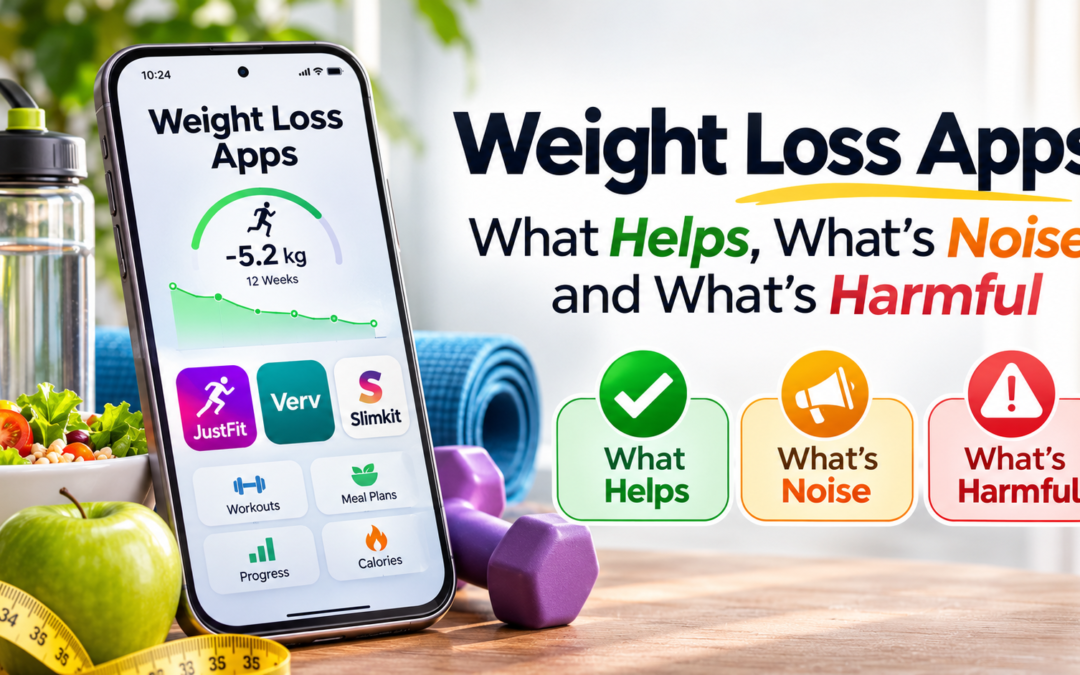
Weight loss has become one of the most popular reasons people turn to health and fitness technology. From calorie counters and personalised meal plans to home workout programmes and daily progress trackers, smartphones now offer tools that promise to make managing weight easier. The demand is understandable: according to the World Health Organization, approximately 2.5 billion adults worldwide were overweight in 2022, including more than 890 million living with obesity. As digital health becomes part of everyday life, weight loss apps are increasingly being used to monitor eating habits, encourage physical activity and build healthier routines.
But not every app delivers what its marketing promises. Some genuinely help users understand their habits and stay consistent, while others rely heavily on countdowns, unrealistic transformation claims, restrictive calorie targets and subscription pressure. Apps such as JustFit and Slimkit offer different approaches to fitness and weight management, making it important to understand what their features actually do before choosing one.
The real question is not which app promises the fastest results, but which one supports habits that are safe, realistic and sustainable.
What Actually Makes a Weight Loss App Useful?
A useful app should help users make better decisions rather than simply encourage them to check their weight every morning.
The strongest features generally include:
- Progress tracking: Monitoring activity, exercise consistency, nutrition and other meaningful habits.
- Personalised workout plans: Exercises adapted to fitness level, available time and physical limitations.
- Nutrition awareness: Helping users understand food portions, nutritional balance and eating patterns.
- Realistic goal-setting: Encouraging gradual improvements rather than extreme short-term targets.
- Consistency reminders: Supporting routines without creating guilt when a workout is missed.
Research supports the potential of these tools. A 2025 systematic review and meta-analysis published in the Journal of Medical Internet Research, involving 11 randomised controlled trials and 1,717 participants, found modest improvements in body weight and BMI from smartphone-based interventions over four to six months. However, long-term effectiveness was less certain, with adherence and personalised support remaining important challenges.
JustFit: Convenient Home Workouts, but Check the Details
JustFit – Lazy Workout focuses primarily on home-based exercise, making it appealing to people who prefer working out without gym equipment.
Its features include personalised workout plans, wall Pilates, beginner-friendly exercise programmes, targeted training routines and daily progress tracking. The app also offers different difficulty levels, allowing users to explore workouts according to their fitness experience.
- What helps: Its structured workout sessions can make exercise easier to fit into a busy schedule. The no-equipment approach is particularly useful for beginners who want to establish a routine at home.
- What’s noise: Marketing around belly-focused workouts can create the impression that exercising one body part will specifically remove fat from that area. Targeted exercises can strengthen muscles, but they cannot guarantee localised fat loss.
- What to check: Review the subscription price, renewal conditions and exercise suitability before purchasing. Some Google Play user reviews have also raised concerns about workout personalisation and exercises appearing despite selected limitations.
Verv/Slimkit: More Than Just a Workout Tracker
Verv/Slimkit are worth examining together because Slimkit’s platform offers several fitness applications, while Verv provides a broader lifestyle-focused experience.
Verv combines home workouts, walking and running programmes, meal plans, yoga, meditation and sleep-related content. Its Google Play listing describes vegetarian and vegan meal options alongside other nutrition programmes.
- What helps: The combination of movement, food awareness and relaxation can encourage users to look beyond calorie burning. Walking programmes and short workouts may also make daily activity more manageable.
- What’s noise: Having dozens of workout programmes, recipes and meditation sessions does not automatically mean better weight-management results. More features can sometimes make an app unnecessarily complicated.
- What to check: Examine whether the meal recommendations suit your dietary preferences, whether the exercise plans match your fitness level and whether premium features require recurring payments.
What Is Actually Noise in Weight Loss Apps?
Some features look impressive but contribute very little to meaningful progress.
- Unrealistic transformation countdowns: Promises such as losing several kilograms in seven days are marketing claims, not reliable expectations. Weight changes depend on several factors, including diet, activity, sleep, health conditions and individual physiology.
- Daily calorie-burning competitions: Exercise challenges can encourage movement, but constantly trying to beat yesterday’s calorie count can create unnecessary pressure.
- Belly-fat and thigh-fat promises: No workout can guarantee fat loss from a specific body part. Strengthening a muscle and reducing overall body fat are different processes.
- Too many notifications: Reminders can support consistency, but constant alerts about missed workouts or incomplete targets can turn health tracking into a source of stress.
When Weight Loss Apps Become Harmful
This is the part users should pay particular attention to. An application can have an attractive interface, thousands of downloads and positive ratings without necessarily being appropriate for every individual.
Watch out for these warning signs:
- Extremely restrictive calorie targets: Apps that encourage severe food restriction without considering individual nutritional requirements can contribute to nutritional deficiencies and unhealthy eating patterns.
- Guilt-based messaging: Notifications that shame users for eating, resting or missing workouts can negatively affect their relationship with food and exercise.
- Unverified supplements: Be cautious of applications promoting detox teas, fat burners or supplements with exaggerated weight-loss claims.
- Obsessive tracking: Constantly recording every bite, weighing yourself multiple times daily or feeling anxious about missing targets can become unhealthy.
- Poor privacy practices: Health information, body measurements, food diaries and activity records are sensitive personal data. Check what information an app collects, shares and retains.
If tracking begins affecting your mood, eating habits or self-esteem, consider taking a break. Anyone experiencing disordered eating patterns should seek guidance from a qualified healthcare professional.
Quick Comparison: Which App Offers What?
| Feature |
JustFit |
Verv / Slimkit |
| Home workouts |
Yes |
Yes |
| Walking and running |
Limited focus |
Dedicated programmes |
| Nutrition plans |
Not its main focus |
Available in Verv |
| Yoga and meditation |
Limited focus |
Available in Verv |
| Progress tracking |
Yes |
Yes, depending on app |
| Best suited for |
Home workout routines |
Broader fitness and wellness routines |
Features vary by individual app, subscription and region. Slimkit is a platform offering multiple applications, not a single interchangeable product.
How to Choose an App That Supports Real Progress
Before downloading another fitness application, consider what you actually need.
If your biggest challenge is finding time to exercise, a structured workout application such as JustFit may be useful. If you prefer combining walking, running, meal planning and relaxation, Verv offers a broader collection of tools.
However, do not choose based entirely on ratings or advertisements. Check whether the app provides realistic goals, transparent subscription terms, adaptable exercise programmes and clear privacy information.
The most useful weight loss apps are those that encourage sustainable habits rather than making users dependent on daily targets or constant tracking.
Remember that technology cannot replace balanced nutrition, adequate sleep, regular physical activity and professional healthcare when needed.
Frequently Asked Questions
1. Do weight loss apps actually work?
Research suggests they can support modest weight reduction, particularly when they encourage consistent activity, nutrition awareness and behavioural changes. Results vary between individuals.
2. Is JustFit good for beginners?
JustFit offers beginner-oriented home workouts and structured programmes. However, users should check exercise modifications and ensure that routines are suitable for their fitness level.
3. What is the difference between Verv and Slimkit?
Verv is a fitness and wellness application offering workouts, nutrition plans, walking, running and meditation. Slimkit is the platform behind several fitness applications, including different workout and activity-focused products.
Also Read: How to Spot Quality Clothing Online Without Touching the Fabric
