
by parth@bidkinetic.com | Sep 21, 2026 | LifeStyle
Finding a meaningful gift is harder when the recipient already seems to have everything. Mindful Souls takes a different approach by combining crystals, gemstone jewelry, aromatherapy, ritual tools, home décor, card decks, and subscription boxes into one wellness-focused collection. The current store features gifts under $40, under $60, and exclusive $80+ options, along with dedicated collections for birthdays, love, spiritual seekers, crystal gifts, and festive occasions.
The range is also broader than a typical crystal shop. Its catalog includes raw and polished crystals, towers, spheres, carvings, crystal sets, necklaces, rings, bracelets, pendulums, singing bowls, aroma oils, incense, diffusers, candles, bath products, and spiritual décor. The brand currently says it has served 500K+ customers and delivered more than 2 million boxes, while its subscription offerings start at $39.97.
| Occasion |
Gift Ideas |
Approx. Current Price* |
Best For |
| Birthday |
Crystal jewelry, card deck, raw crystal |
$25-$40 |
Friends, siblings, partners |
| Mother’s Day |
Crystal bracelet, aromatherapy, home décor |
$25-$60+ |
Moms and wellness lovers |
| Anniversary |
Crystal necklace, meaningful jewelry, ritual set |
$30-$80+ |
Couples |
| Housewarming |
Crystal décor, singing bowl, diffuser |
$30-$60+ |
New homeowners |
| Graduation |
Crystal for self-growth, card deck, jewelry |
$25-$40 |
Students and young professionals |
| Christmas/Holidays |
Mystery box, bundles, subscription |
$40-$80+ |
Gift exchanges and families |
| “Just Because” |
Palm stone, crystal, essential oil |
Under $40 |
Small thoughtful gifts |
| Spiritual Beginner |
Mindful Box or Crystal Box |
$39.97/month |
Someone exploring crystals |
*Prices reflect listings available on the official site as of September 2026 and can change with promotions.
For Birthdays: Choose Something Personal

Source: Mindful Souls
A birthday gift works best when it feels connected to the recipient rather than simply decorative. Mindful Souls makes this easier by organizing products around intentions such as love, prosperity, protection, peace, self-growth, positivity, and new beginnings.
For someone new to crystals, a small polished stone or crystal jewelry piece is an easy starting point. The current best-seller section includes the Dragon’s Heart Labradorite Necklace at $29.97 and the Crystal Wisdom Card Deck at $29.97. The latter is particularly useful when the recipient is interested in learning about crystals rather than simply wearing them.
For a more personal touch, choose the gift around an intention that fits the person’s current stage of life.
For Anniversaries and Romantic Occasions
Jewelry is the natural choice here. The collection includes necklaces, rings, earrings, anklets, bracelets, bangles, jewelry sets, zodiac jewelry, and raw crystal necklaces.
Instead of choosing solely by appearance, look at the stone and its associated symbolism. Rose quartz can suit someone drawn to love-themed gifts, while labradorite or other distinctive stones can make a more unusual statement.
The Dragon’s Heart Labradorite Necklace is one example of a gift that feels more substantial than a basic crystal while remaining below $30 at the current listed price.
For a New Home: Crystals That Double as Décor
Housewarming gifts don’t have to be another candle or plant.
The Mindful Souls home collection includes Buddha décor, singing bowls, lamps, wall décor, wind chimes, spiritual appliances, and card decks. Its crystal collection also includes lamps, towers, spheres, pyramids, bowls, figurines, and carvings.
These products make sense for someone who likes creating a calm-looking space but may not want a strictly “spiritual” gift. A decorative crystal or singing bowl can work as an interior piece while still fitting into a mindfulness routine.
For Someone Going Through a New Chapter
Source: Mindful Souls
Graduation, a new job, moving cities, or starting a new personal routine calls for a gift with a little more meaning.
This is where intention-based crystal shopping becomes useful. The site specifically organizes stones around self-growth, prosperity, protection, peace, spiritual awakening, and new beginnings.
For beginners, the store recommends versatile stones such as Amethyst, Rose Quartz, and Clear Quartz as accessible starting points.
A crystal paired with the Crystal Wisdom Card Deck can make the gift feel more complete because the recipient gets something to explore rather than simply an object to display.
For the Wellness Lover: Aromatherapy and Ritual Gifts
Not everyone wants crystals.
The aromatherapy section includes aroma oils, incense sticks, incense cones, aroma diffusers, scented candles, bath bombs, and smudging products.
A smaller aromatherapy item can work particularly well as a stocking stuffer or “thinking of you” present. The Rain Song Essential Oil is currently listed at $29.97, while the Calming Blue Sage & Lavender Smudge Stick is listed at $19.97. (September 2026)
These options also make sense for people who enjoy wellness rituals but aren’t particularly interested in collecting gemstones.
When You Don’t Know What to Buy: Give the Experience
Subscription boxes are probably the safest choice when the recipient genuinely enjoys discovering new wellness products.
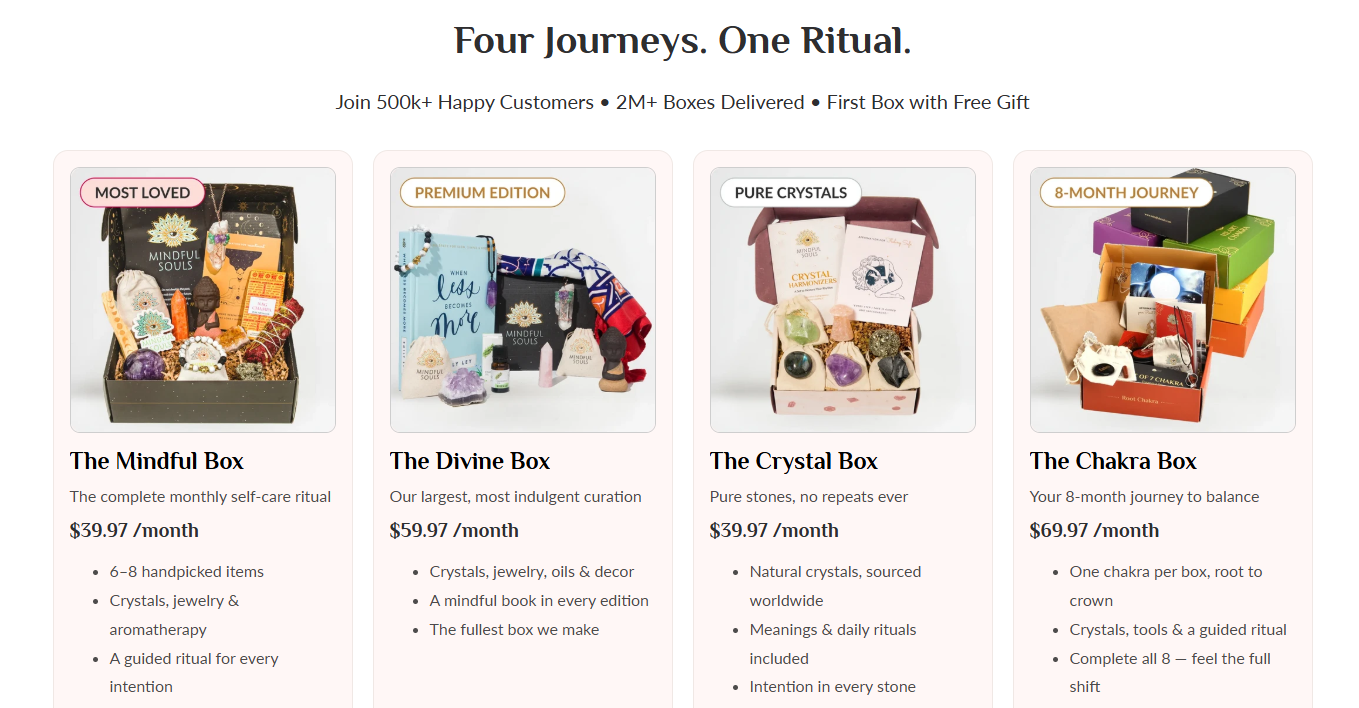
- The Mindful Box costs $39.97 and includes 6-8 handpicked items covering areas such as crystals, jewelry, aromatherapy, and guided rituals.
- The Divine Box is $59.97 and adds crystals, jewelry, oils, décor, and a mindful book.
- The Crystal Box costs $39.97 and focuses specifically on natural crystals, meanings, and rituals.
- The Chakra Box is $69.97 and follows an eight-month chakra-focused journey.
The Crystal Box currently promises 5-6 natural crystals per month, a 20+ page guidebook, and an affirmation card, with no repeated crystals.
One important detail: subscription contents are curated in advance and cannot currently be customized.
How to Pick the Right Gift
The easiest approach is to work backwards from the recipient.
- For a practical person: choose jewelry, aromatherapy, or décor.
- For a crystal beginner: choose Amethyst, Rose Quartz, Clear Quartz, or the Crystal Wisdom Card Deck.
- For an experienced crystal collector: look at unusual stones, carvings, crystal sets, or the Crystal Box.
- For someone who loves surprises: consider a mystery box or subscription.
- For a wellness enthusiast: aromatherapy, ritual kits, candles, or a Mindful Box are more appropriate than a single loose crystal.
- For someone difficult to shop for: use a gift card or let the recipient choose from the brand’s gift-by-price and gift-by-occasion collections.
Final Take
A good wellness gift should feel chosen, not generic. Mindful Souls offers enough variety to build that personal connection, whether the recipient wants a small $20-$30 crystal gift, a piece of gemstone jewelry, a home accent, an aromatherapy product, or a recurring subscription experience.
The best strategy is to shop by person and purpose first, price second. Someone discovering crystals for the first time needs something approachable; an experienced collector may appreciate an unusual stone or curated box. For a recipient whose preferences are uncertain, gift cards and flexible gift categories remove much of the guesswork.
For current products, prices, and occasion-specific collections, the official Mindful Souls website is the most reliable place to check before purchasing.
FAQs
- Are Mindful Souls gifts suitable for beginners?
Yes. The store has dedicated beginner-oriented options, and its Crystal Box includes guides explaining the stones and rituals.
- What is the best gift under $40?
There are several options, including crystal jewelry, individual crystals, the Crystal Wisdom Card Deck, essential oils, and smaller ritual products. The official site also has a dedicated gifts-under-$40 section.
- Can subscription boxes be customized?
No. The subscription contents are pre-selected by the curation team, although subscribers can pause, skip, or cancel according to the applicable subscription terms.
Also Read: Chita Living Review: Mid-Range Furniture That Looks High-End?
by parth@bidkinetic.com | Sep 21, 2026 | Health
A workout does not have to last an hour to be useful. The bigger challenge for most people is finding something short enough to repeat consistently. That is the idea behind the JustFit app review: can an app built around short, equipment-free workouts actually make exercise easier to stick with, or does the convenience come at the expense of meaningful results?
JustFit is available on iOS and Android and offers personalized workout plans, progress tracking, target-area training, beginner routines, Wall Pilates, chair workouts, bed workouts, HIIT, strength training and cardio. Its official website currently claims 26.8 million users, while the app’s Google Play listing shows a 4.6 rating from more than 127,000 reviews. The U.S. App Store shows 4.8/5 from 215,000 ratings. (September 2026)
The important question, though, is not how many people have downloaded it. It is whether a 5-15 minute session is structured well enough to become a realistic fitness habit.
Getting Started: How Personalized Is JustFit?
The setup begins with questions about goals, lifestyle and workout preferences before creating a recommended plan. The app positions itself as a virtual coach rather than simply a library of exercise videos.
The workout selection is extensive. Current options include strength, cardio, HIIT, abs, lower body, upper body, Wall Pilates, chair workouts and low-intensity routines. There are even workouts designed to be performed in bed.
That variety makes the app approachable for someone who dislikes traditional gym workouts.
There is one important caveat: personalization does not always appear to work perfectly. Recent Google Play reviews report situations where users selected limitations such as avoiding jumping but still received jumping exercises. Similar complaints appear in App Store reviews.
For anyone with an injury or significant physical limitation, that is something to take seriously rather than assuming the app will automatically modify every exercise correctly.
What Are the 10-Minute Workouts Actually Like?
The short format is the strongest part of the experience.
JustFit’s video library contains workouts ranging from around five minutes to longer sessions. Examples currently listed include a 7-minute beginner abs workout, a 10-minute inner-and-outer thigh workout, a 12-minute cardio session and several five-minute routines.
This creates a useful distinction between short workouts and incomplete workouts.
A 10-minute session can be enough to get moving, raise heart rate, train specific muscle groups or add activity to an otherwise sedentary day. It is particularly useful when the alternative is skipping exercise completely.
But a 10-minute workout should not be confused with a guaranteed 10-minute transformation. Fat loss, muscle gain and cardiovascular improvements depend on consistency, exercise intensity, diet, recovery and the amount of activity performed throughout the week.
Testing the App’s Main Features
| Feature |
What JustFit Offers |
Assessment |
| Workout length |
Short sessions through longer routines |
Excellent for busy schedules |
| Equipment |
Many routines require none |
Very convenient |
| Personalization |
Goal and preference-based plans |
Useful, but not always perfect |
| Exercise variety |
Cardio, strength, Pilates, HIIT and more |
Strong |
| Progress tracking |
Daily progress features |
Helpful for consistency |
| Beginner workouts |
Dedicated beginner content |
Good starting point |
| Wall Pilates |
Dedicated programs and challenges |
Useful for low-equipment users |
| Health integration |
Apple Health support |
Convenient for Apple users |
| Platform support |
iOS and Android |
Broad accessibility |
| Limitations |
Some reported mismatches with restrictions |
Needs attention |
Does JustFit Actually Help With Weight Loss?

This is where expectations need to be realistic.
The app is clearly designed around goals such as weight loss, toning and muscle development. However, no workout app can guarantee a particular amount of weight loss in a fixed number of days.
Interestingly, user feedback reflects this difference. One App Store reviewer reported seeing improvements in muscle tone rather than the expected weight-loss result, while another said the app helped with strength and gradual weight loss. These are individual experiences rather than controlled evidence, but they illustrate why the scale should not be the only measure of progress.
A short daily workout can contribute to weight management by increasing activity. For substantial fat loss, however, the workout needs to be part of a broader routine involving nutrition and regular movement.
Workout Quality: Simple Enough to Follow?
The demonstrations are one of JustFit’s more practical features. The app is designed around guided exercises rather than simply giving users a list of movements to remember.
That works particularly well for beginners.
There are some complaints about video pacing and camera-angle changes. A few App Store reviewers have also reported that instructions and demonstrations do not always match perfectly.
This is not necessarily a deal-breaker for basic exercises, but it becomes more noticeable when performing faster movements where timing matters.
Is the App Really Free?

JustFit has a free component, but the full experience is subscription-based.
JustFit is free to download, but the full experience is subscription-based.
- On the U.S. App Store, the current listing shows JustFit Premium at $19.99 per month, $29.99 for three months, or $69.99 per year.
- The listing also shows several promotional annual plans ranging from $29.99 to $79.99, so the price presented to a new user can depend on the offer available at signup.
- The standard $69.99 annual option works out to about $5.83 per month when paid upfront.
Because offers can vary by platform, region and promotion, checking the subscription screen before confirming payment is important.
The app’s support page confirms that subscriptions are purchased through the iOS or Android app and that users can manage their subscription through the relevant account settings.
What Real User Feedback Reveals
The JustFit app review becomes more interesting when the store ratings are compared with detailed user comments.
The app has strong overall ratings on both major app stores, but individual experiences are mixed. Positive reviews frequently mention convenience, simple workouts and the motivational effect of having a daily routine. One reviewer specifically appreciated being able to fit short workouts around a busy schedule.
On the other hand, recurring complaints involve subscription expectations, exercise personalization, repetitive routines and limitations not always being respected. Trustpilot is considerably more critical, currently showing a 2.8/5 TrustScore from 313 reviews (Sept. 2026), although Trustpilot itself notes that the company’s recent review history may not be representative.
That difference matters. App-store ratings largely measure the overall app experience, while written reviews often expose specific problems that a headline rating can hide.
Who Should Use JustFit?

The JustFit app review points toward a fairly specific audience.
It makes sense for someone who:
- Has limited time for exercise
- Prefers working out at home
- Does not want to buy equipment
- Needs daily structure and reminders
- Is starting from a low fitness base
- Enjoys guided video workouts
- Wants short sessions that can gradually become a routine
It is less suitable as a standalone solution for someone pursuing advanced strength training, highly specific athletic programming or rehabilitation. People with injuries should also avoid assuming the app’s limitation settings are a substitute for professional guidance.
JustFit App Review: FAQs
1. Can a 10-minute JustFit workout really work?
Yes, a short workout can contribute to fitness, strength and activity levels when performed consistently. The results will depend on intensity, frequency and the rest of the person’s lifestyle.
2. Is JustFit good for beginners?
The app has dedicated beginner content and relatively short routines, making it accessible to people who are new to structured exercise.
3. Can JustFit help with weight loss?
It can contribute to an active lifestyle, but the app cannot guarantee weight loss. Nutrition, overall activity, exercise intensity, sleep and consistency all influence results.
by parth@bidkinetic.com | Sep 20, 2026 | Gadgets
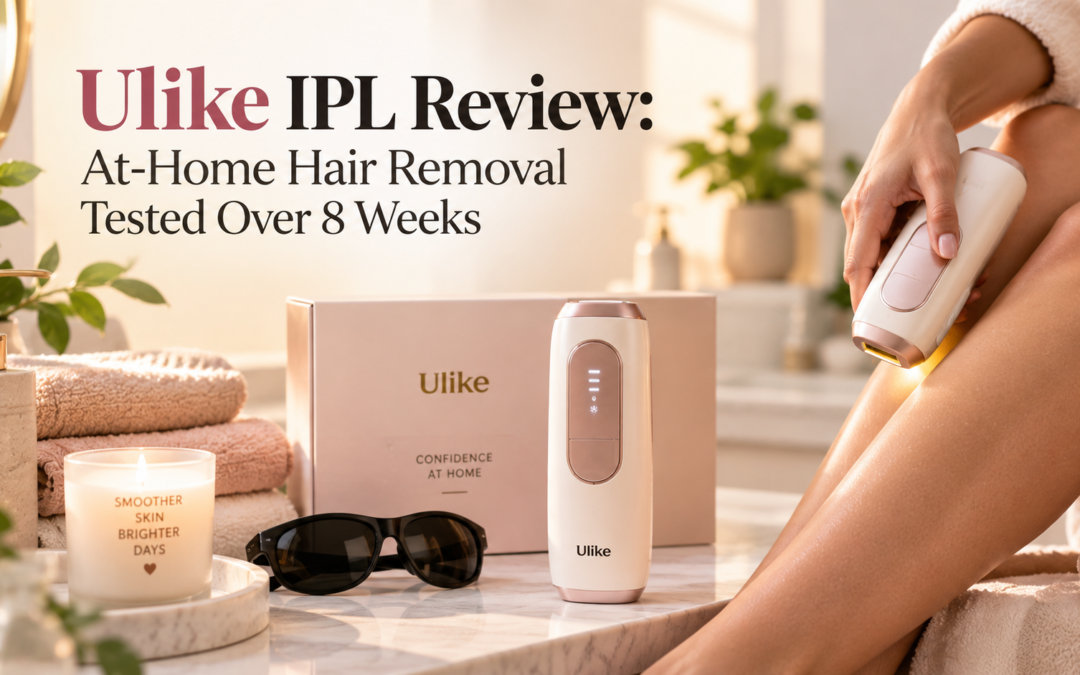
At-home IPL has moved well beyond the basic “flash and hope” devices of a few years ago. The current Ulike Air 10, for example, combines dual light sources, a skin-tone sensor, sapphire cooling and an SHR mode designed for more stubborn hair. This Ulike IPL review is less about whether the device flashes brightly and more about whether it is comfortable enough to use consistently, whether hair growth actually slows over several weeks, and how much maintenance remains after the initial treatment period.
Ulike claims up to 96% hair-density reduction in 14 days, based on a 32-person study of Asian women aged 19-54, while its 28-day data reports up to 97.16% reduction in bikini-area hair density. Those are manufacturer-backed study results, not a guarantee for every user. Independent testing after three months found noticeable reduction and particularly strong results for lighter skin with darker hair, while also noting that IPL is not equally effective across all skin and hair combinations.
The Air 10 is an at-home intense pulsed light device rather than a medical laser. IPL works by directing light toward pigment in the hair, so the contrast between skin and hair color is important.
The Air 10 adds several features intended to make the process quicker and easier. Its dual-light system provides a wider treatment area, while the company’s SHR mode delivers rapid pulses for stubborn hair. The device also includes a SkinSensor that adjusts the flash intensity according to skin tone and prevents flashing when the detected tone is outside the appropriate range.
It is FDA-cleared for home use, rather than “FDA approved,” which is an important distinction in how these devices are regulated.
Eight Weeks of Results: What Actually Changes?
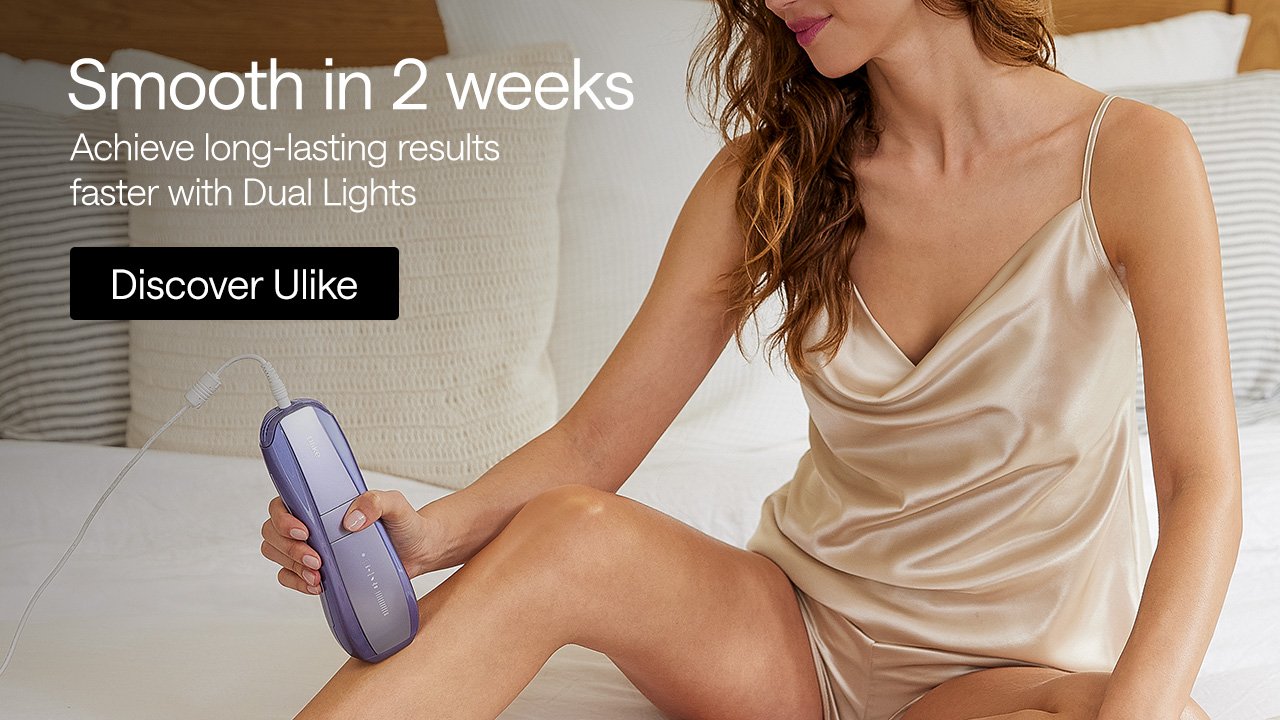
An eight-week period is long enough to see whether an IPL routine is producing a meaningful difference rather than simply making hair appear temporarily finer after shaving.
The early phase is usually more about slowing regrowth than achieving completely hair-free skin. Ulike recommends frequent initial treatments before moving to maintenance sessions. Its current guidance recommends treatment every other day for the first four weeks, followed by maintenance once or twice a month.
A realistic progression looks something like this:
| Treatment Period |
What to Expect |
| Weeks 1-2 |
Early reduction in visible regrowth |
| Weeks 3-4 |
Hair may become slower and less noticeable |
| Weeks 5-6 |
More obvious reduction in treated areas |
| Weeks 7-8 |
Reduced density with some remaining hairs |
| After 8 weeks |
Maintenance becomes increasingly important |
Individual results can vary substantially. Darker hair generally responds better because IPL relies on pigment, while blonde, grey and red hair can be difficult to treat. Ulike also warns that some darker skin tones may not be suitable for IPL because of the higher amount of pigment absorbing the light.
Does the Cooling Actually Matter?
This is arguably one of the Air 10’s most useful features.
The sapphire cooling surface is designed to cool the skin during treatment. Ulike states that the Air 10 maintains approximately 65°F at the contact surface, helping reduce the heat sensation associated with IPL.
In practical terms, cooling changes the experience considerably. Instead of every flash feeling like a sharp snap of heat, the treatment tends to feel more controlled. That matters because an IPL device is only useful if it is comfortable enough to use regularly.
It does not mean every user will experience zero sensation. Higher-intensity treatments can still produce warmth or a mild snapping feeling.
Is It Fast Enough for Full-Body Use?

Speed is another area where the Air 10 performs well. Ulike claims a full-body session can take around 10 minutes using AutoGlide. The feature continuously flashes as the handset moves across the skin, reducing the need to repeatedly press the treatment button.
For smaller areas such as underarms, the process is considerably quicker. Legs naturally take longer because there is much more surface area to cover.
The biggest advantage is consistency. A device that takes 10-15 minutes is much easier to fit into a weekly routine than one that turns hair removal into a lengthy project.
What About Pain and Skin Irritation?
The Ulike IPL review experience is generally favorable here, but “painless” should not be interpreted literally for everyone.
- Cooling helps reduce heat, while the SkinSensor is designed to adjust treatment intensity according to skin tone.
- However, IPL still produces concentrated light and heat, and incorrect use can cause irritation or burns.
Following the instructions matters.
- Skin should be shaved before treatment, and the device should be placed properly against the skin so the contact sensor can activate.
- Areas with tattoos, very dark pigmentation or unsuitable skin tones should not simply be treated because the device physically flashes.
Ease of Use and Everyday Convenience
The Air 10 is straightforward once the initial setup is understood. Shave the area, power on the device, allow the sensor and cooling system to activate, select the appropriate mode and begin treatment.
The SkinSensor removes some guesswork, while AutoGlide makes larger areas easier to cover. The device is corded, so treatment needs to happen close to a power outlet, but that also means there is no battery to charge between sessions.
For someone trying to replace regular shaving or waxing, the convenience becomes more apparent after several weeks rather than during the first session.
What Could Be Better?
The biggest limitation is suitability.
IPL isn’t a universal solution for every skin tone and hair color. Very light hair may contain too little pigment for effective treatment, while darker skin can present safety concerns.
There is also the consistency requirement.
Buying an IPL handset does not eliminate hair removal overnight. Missing treatments can slow progress, and maintenance is still required after the initial reduction.
Finally, the advertised clinical percentages should be viewed in context.
Ulike’s published studies are relatively small and company-specific, so they shouldn’t be treated as a promise that every user will achieve the same percentage reduction.
Pros and Cons
Pros
- Strong reduction potential with consistent use
- Effective cooling system
- Automatic skin-tone adjustment
- Fast AutoGlide treatment
- SHR mode for stubborn hair
- FDA-cleared for home use
- 100-day guarantee listed by Ulike
Cons
- Not suitable for every skin tone or hair color
- Requires consistent treatments
- Results vary by person and body area
- Initial purchase price is higher than basic hair-removal methods
Final Verdict
After eight weeks, the Ulike IPL review picture is fairly clear: this is designed for people who want long-term reduction rather than instant hair removal. Its strongest qualities are the cooling system, fast treatment process and automated skin sensing.
The results reported by Ulike and independent testing suggest that suitable users can see substantial reduction over several weeks, but the device is not a replacement for professional laser treatment in every situation.
For users with suitable skin and darker hair who are willing to maintain a consistent schedule, the Air 10 makes the at-home IPL process considerably more approachable.
Ulike IPL Review: FAQs
1. How long does Ulike IPL take to work?
Ulike reports visible reduction within two weeks, although meaningful results vary by person. Its recommended treatment programme extends over several weeks before moving to maintenance.
2. Can Ulike IPL permanently remove hair?
IPL is intended to provide long-term hair reduction, not a guarantee of permanent removal. Maintenance treatments may still be required.
3. Can everyone use Ulike IPL?
No. IPL works best when there is sufficient contrast between the hair and skin. Very light hair can respond poorly, while some darker skin tones may not be suitable for treatment.
Also Read: Novilla Mattress Review: What $300 Gets You in 2026
by parth@bidkinetic.com | Sep 20, 2026 | Fashion
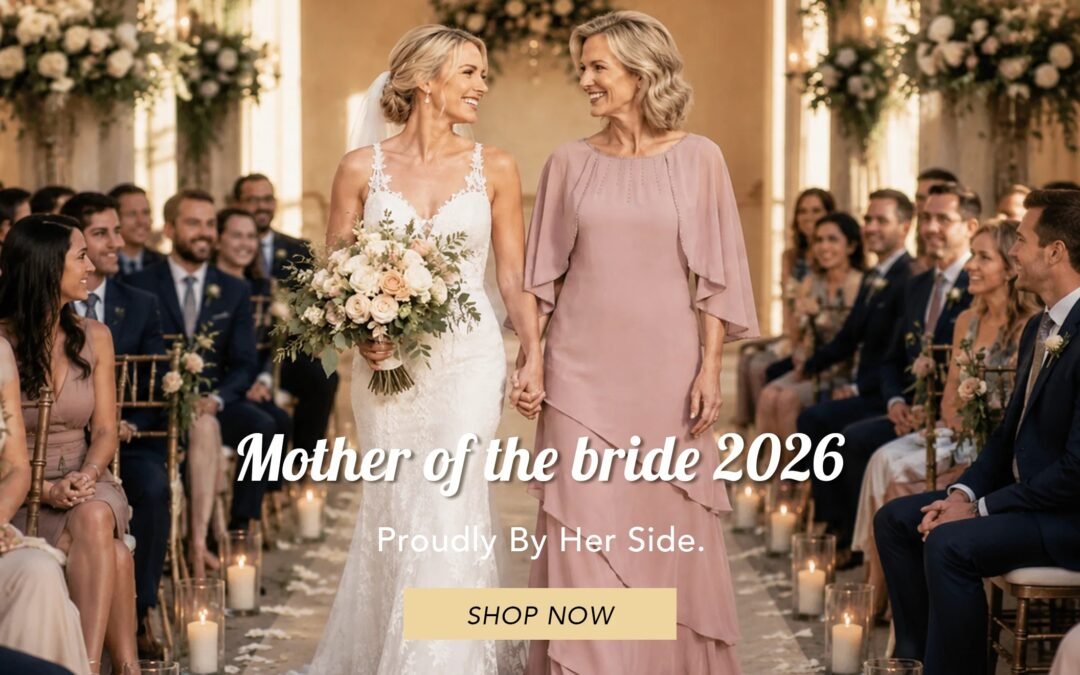
Finding bridesmaid dresses that look coordinated without pushing the wedding budget too far is harder than it sounds. Chicsew bridesmaid dresses stand out because the brand combines a large selection of styles and colors with made-to-order production and free basic custom sizing. ChicSew says its collection includes 500+ styles and 70+ colors, with sizing from US 0 through plus sizes. Standard orders generally take around 20-30 calendar days, while rush orders are advertised at roughly 14 ± 5 days.
For this Novareads review, the focus is less on glossy product claims and more on the details that matter when ordering wedding-party clothing online: fabric, sizing, customization, delivery, alterations, returns and what customers are actually reporting. The overall picture is positive on style and value, but the ordering process requires more attention than buying a regular ready-to-wear dress.
What Do Chicsew Bridesmaid Dresses Offer?
ChicSew has a broad range of silhouettes, including A-line, mermaid, satin, chiffon, off-shoulder, V-neck and other formal designs. The selection makes it possible to keep a bridal party visually coordinated without necessarily putting everyone in exactly the same cut.
The brand also offers custom sizing at no additional charge. Instead of selecting only a conventional US size, customers can submit five measurements: bust, waist, hips, height and hollow-to-floor. ChicSew explains that custom sizing is intended to provide a closer starting fit, although it does not eliminate the possibility of alterations.
That distinction is important. Custom sizing is not the same as a professionally tailored dress.
Fabric and Overall Look
The strongest part of the ChicSew proposition is the variety of formal designs. Satin styles in particular are designed to create the polished, coordinated appearance commonly associated with modern bridal parties.
Customer feedback also frequently mentions fabric quality and appearance. On Trustpilot, several recent buyers have praised the dresses for their elegant materials, fit and appearance, while other reviewers have reported problems involving stains, fabric weight or sizing.
That variation suggests buyers should avoid judging quality purely from photographs. Ordering a fabric swatch is especially sensible when the wedding color needs to match closely. ChicSew itself warns that the same named color can appear different across fabrics and screens.
Sizing: The Part That Needs the Most Attention
Sizing deserves more attention than it usually gets in online dress reviews.
ChicSew recommends custom sizing when measurements don’t fall close to a standard size. Its own guidance says that the five measurements used for customization still cannot account for every body proportion, meaning additional tailoring may be necessary.
The company also recommends ordering dresses around two to three months before the event. That’s a sensible buffer for a wedding because it leaves time for delivery, fitting and alterations.
| Area |
Novareads Assessment |
| Style selection |
4.5/5 |
| Color variety |
4.5/5 |
| Fabric appearance |
4/5 |
| Custom sizing |
4/5 |
| Standard sizing |
4/5 |
| Delivery planning |
3.5/5 |
| Return flexibility |
2.5/5 |
| Value |
4/5 |
| Overall |
4/5 |
How Long Does Delivery Take?
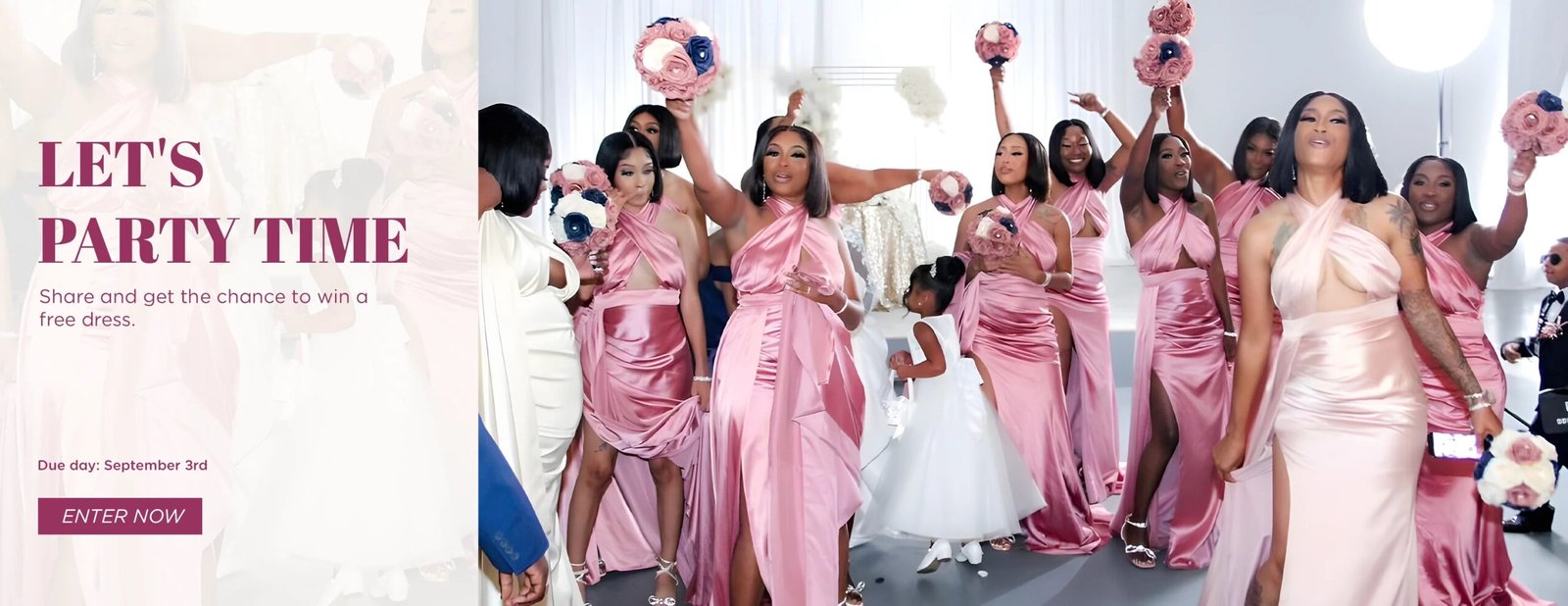
ChicSew dresses are made to order rather than pulled from conventional ready-to-ship inventory. The current shipping policy gives an estimated 20-30 calendar days for standard orders worldwide and approximately 14 ± 5 calendar days for rush orders. After dispatch, the company says DHL or UPS deliveries generally take another 3-8 business days.
For a wedding, ordering early is essential. International customs delays can also affect delivery timelines, so leaving the order until the last few weeks would be unnecessarily risky.
Returns and Alterations: Read This Before Ordering
This is where Chicsew bridesmaid dresses become less straightforward.
- Custom-size dresses are generally final sale and cannot be returned simply because the fit isn’t right or plans change.
- Standard-size dresses up to US 14 have more flexibility, but the current policy requires customers to raise an after-sales request within seven calendar days of delivery.
- A 10% restocking fee can apply to eligible returns where there is no confirmed quality problem.
There is some support if alterations are required.
- ChicSew says customers may use local tailoring and receive limited reimbursement, while its policy lists reimbursement limits of up to $20, $30 or $40 depending on the dress price.
The takeaway is simple: measure carefully, order early and don’t treat custom sizing as a substitute for final tailoring.
What Are Customers Saying?
The current Trustpilot profile shows a 4.3/5 rating from 362 reviews, with 73% of reviews rated five stars and 18% rated one star. (September 2026)
Positive reviews commonly mention attractive dresses, fabric quality, accurate fitting and responsive communication. Some recent buyers specifically praised the custom-sizing process and said the dresses arrived fitting well.
There are also negative experiences. Some customers report stains, fabric concerns, sizing problems and dissatisfaction with returns. These reviews don’t prove that every order will have the same experience, but they do highlight why measurements, swatches and delivery buffers matter.
Is Chicsew Worth It for a Wedding?
For brides looking for coordinated formalwear without immediately moving into premium bridal pricing, Chicsew bridesmaid dresses offer a compelling combination of selection, customization and made-to-order options.
The trade-off is that buyers have to be more involved. This isn’t the type of purchase where ordering a dress a week before the wedding is sensible. Custom sizing also needs to be approached carefully, and the restrictive return policy means there is less room for mistakes.
For a bridal party ordering several dresses, getting fabric swatches first, confirming measurements individually and placing the order well ahead of the wedding should make the process considerably safer.
FAQs
- Are Chicsew bridesmaid dresses custom made?
Yes. ChicSew states that its dresses are made to order and offers basic custom sizing using five measurements at no additional cost.
- Should a fabric swatch be ordered?
Yes, especially when matching a specific wedding color matters. ChicSew notes that colors can vary between fabrics and computer or phone screens.
- Do Chicsew dresses need alterations?
They can. Even custom-sized dresses use only five basic measurements, so ChicSew acknowledges that additional alterations may still be required for the best fit.
Also Read: Is Shein Worth It in 2026? Quality, Sizing, and What to Avoid
by parth@bidkinetic.com | Sep 19, 2026 | Fashion
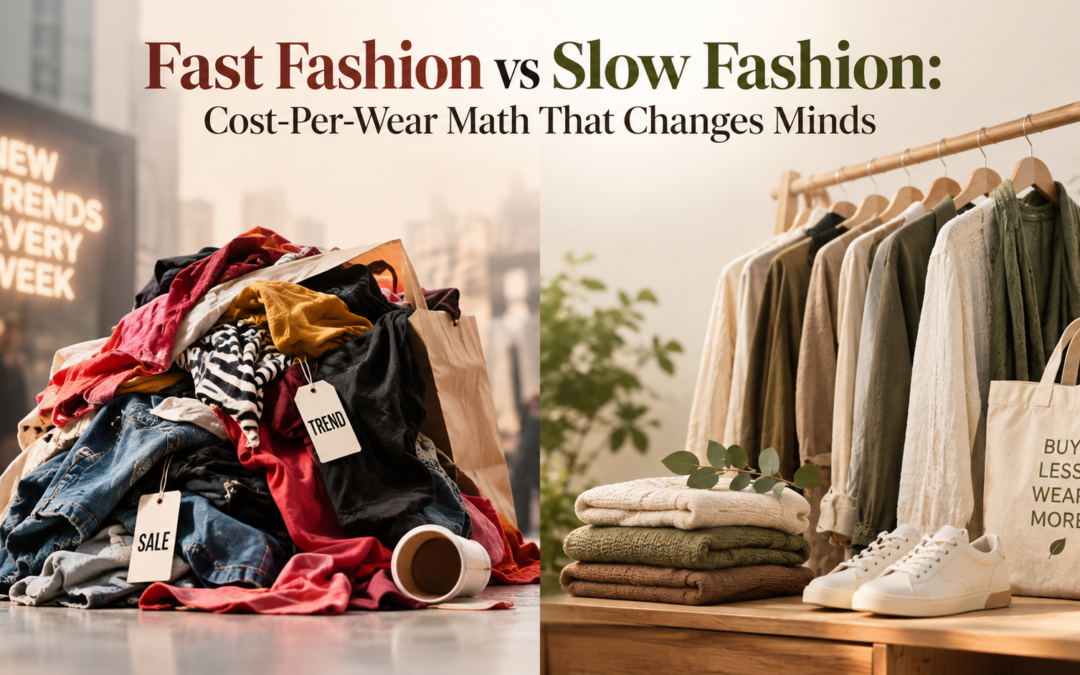
The fast fashion vs slow fashion debate is often presented as cheap versus expensive, but the real comparison is more complicated. Between 2000 and 2015, global clothing production roughly doubled while the average number of times garments were worn fell by 36%. The Ellen MacArthur Foundation also reports that some clothing is discarded after only seven to ten wears.
Meanwhile, the environmental scale is substantial. UNEP estimates that the textile sector generates around 92 million tonnes of textile waste each year, while less than 1% of clothing material is recycled into new clothing.
So, does paying more actually save money? Not automatically. But looking at cost per wear, durability and how often a garment is actually used gives a much clearer answer.
What Does Cost Per Wear Actually Mean?
The formula is simple:
Cost per wear = Purchase price ÷ Number of times worn
Consider two hypothetical T-shirts:
- Fast-fashion T-shirt: $25
- Slow-fashion T-shirt: $100
If the $25 shirt lasts for 10 wears, its cost per wear is $2.50.
If the $100 shirt lasts for 50 wears, its cost per wear is $2.
The more expensive garment has the increased upfront price but the lower cost every time it is used.
That doesn’t mean every expensive garment is better. A $150 shirt that gets worn eight times is still expensive at $18.75 per wear.
Fast Fashion: Cheap at Checkout, Not Always Cheap Over Time
Fast fashion is built around frequent collections, low prices and rapidly changing trends. The attraction is obvious: shoppers can experiment with different styles without committing much money to individual pieces.
The problem starts when low prices encourage low utilisation.
The Ellen MacArthur Foundation estimates that customers globally lose around $460 billion in value each year by throwing away clothes that could still be worn.
Here’s a simple example:
|
Fast Fashion |
Slow Fashion |
| Purchase price |
$30 |
$120 |
| Expected wears |
10 |
60 |
| Cost per wear |
$3.00 |
$2.00 |
| Replacement needed |
More often |
Less often |
| Typical appeal |
Trend variety |
Longevity and versatility |
| Upfront cost |
Lower |
Higher |
The numbers above are illustrative rather than industry averages, but they show why purchase price alone can be misleading.
Slow Fashion: Paying More for Longer Use
Slow fashion generally focuses on fewer purchases, longer use, repairability, timeless designs and more considered production.
The important word is use.
- Buying an expensive coat and wearing it twice isn’t automatically sustainable.
- Buying a well-made coat and wearing it every winter for several years is a very different proposition.
Durability also has two sides.
- Physical durability means the garment resists damage, while emotional durability means the wearer continues to like and use it rather than replacing it because the style quickly feels old-fashioned.
- The Ellen MacArthur Foundation identifies both as important to keeping clothing in use.
The Break-Even Point Is the Interesting Part
Here’s where cost-per-wear becomes useful.
Suppose a $30 fast-fashion dress lasts 10 wears.
A $120 slow-fashion dress costs four times as much.
It therefore needs to be worn at least 40 times to reach the same $3 cost per wear.
At 50 wears:
$120 ÷ 50 = $2.40 per wear
At 75 wears:
$120 ÷ 75 = $1.60 per wear
This is the point often missed in the fast fashion vs slow fashion conversation. A higher purchase price doesn’t automatically mean higher long-term clothing costs. What matters is how long the garment remains useful.
But Cost Per Wear Isn’t the Whole Story
There are other costs that don’t appear on a receipt.
A garment may need frequent replacement because of stretched fabric, broken seams, fading or changing trends. There is also the environmental cost of producing, transporting, and eventually disposing of clothing.
UNEP estimates that textiles account for roughly 2-8% of global greenhouse gas emissions and use the equivalent of around 86 million Olympic-sized swimming pools of water annually.
At the same time, it would be too simplistic to label every inexpensive garment environmentally harmful and every expensive garment sustainable. Material choice, manufacturing processes, washing habits, durability and end-of-life options all matter.
The Best Wardrobe May Be a Mix
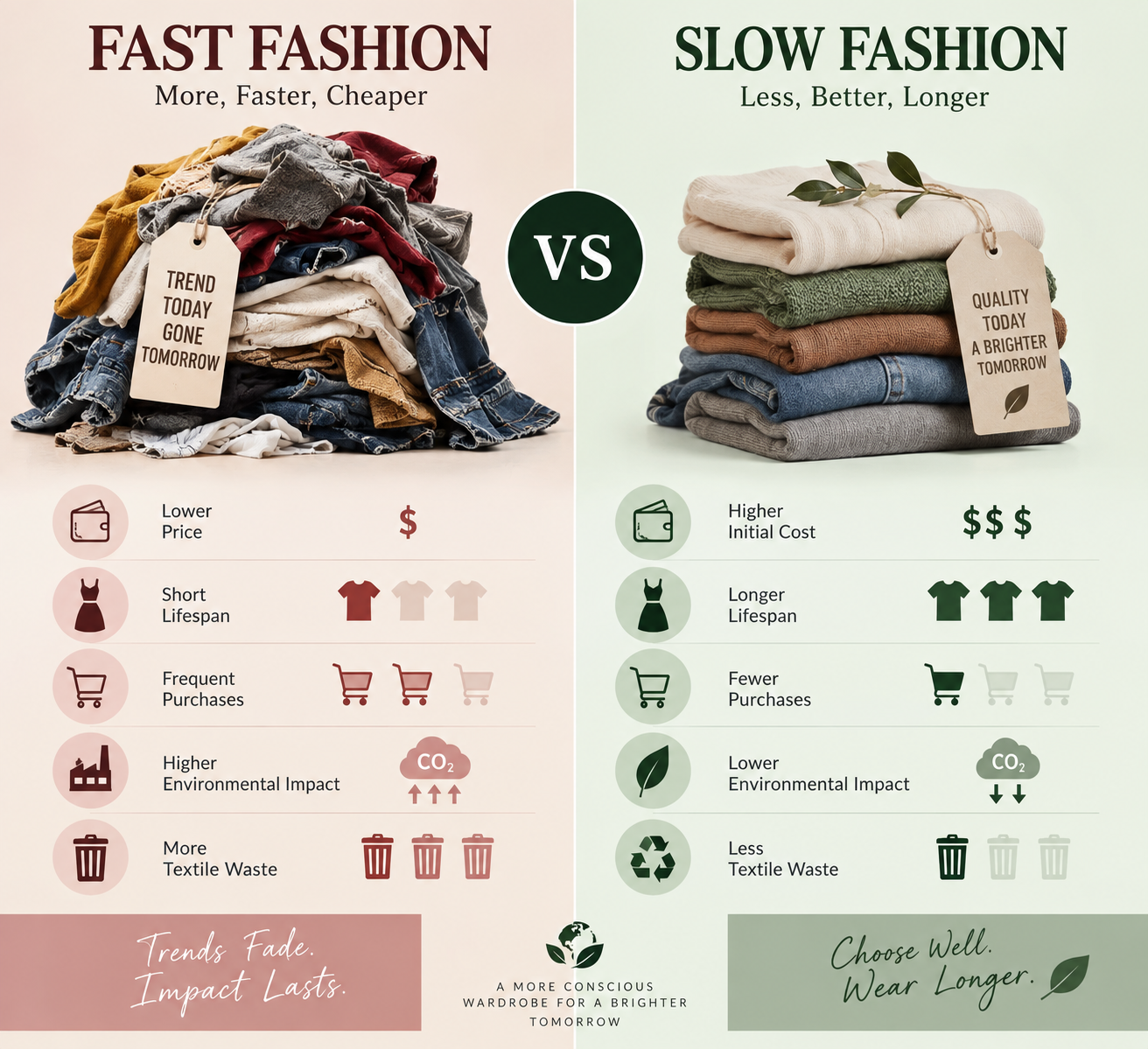
The fast fashion vs slow fashion comparison doesn’t have to end with choosing one category exclusively.
A more practical approach is to spend more carefully on pieces that receive heavy use.
Think about:
- Jeans worn several times a week
- Winter coats
- Work trousers
- Everyday shoes
- Plain T-shirts
- Bags used regularly
For occasional partywear or rapidly changing trends, buying inexpensive clothing may make more financial sense if the item is genuinely used and eventually passed on, resold or responsibly recycled.
The mistake is buying something simply because it’s cheap.
Ask One Question Before Buying
Before purchasing another $20 top, consider:
“Will this still be worth owning after 20 wears?”
If the answer is no, the low price may not actually represent good value.
For a $20 garment worn twice, the cost per wear is $10.
For a $70 garment worn 70 times, it’s $1.
That doesn’t make the $70 item universally better. It simply demonstrates why wardrobe decisions become clearer when price is connected to actual use.
Fast Fashion vs Slow Fashion: What Should Shoppers Compare?
When evaluating clothing, look beyond the initial price.
| Factor |
What to Ask |
| Price |
What is the purchase cost? |
| Durability |
How likely is it to survive regular use? |
| Versatility |
Can it work with several outfits? |
| Cost per wear |
How many times will it realistically be worn? |
| Care |
Does it require expensive or difficult maintenance? |
| Repairability |
Can small damage be repaired? |
| Resale |
Could someone else use it later? |
| End of life |
Can the material be reused or recycled? |
The Real Lesson Behind the Price Tag
The fast fashion vs slow fashion debate becomes much more useful when it moves away from labels and toward behaviour.
A cheap garment worn repeatedly can deliver excellent value. An expensive garment left untouched in a wardrobe does not. But when a higher-quality piece genuinely replaces several short-lived purchases, its economics can change dramatically.
The simplest takeaway is this: don’t ask only “How much does it cost?” Ask “How many times will I actually wear it?”
That one question can make a $100 garment look surprisingly affordable and a $15 impulse purchase surprisingly expensive.
FAQs
1. Is slow fashion always cheaper?
No. Slow-fashion products can have significantly higher upfront prices. They become financially attractive when their longer useful life produces a lower cost per wear.
2. Is fast fashion always poor quality?
No. Quality varies considerably between brands, garments and materials. Price alone cannot determine durability.
3. How many wears make clothing worthwhile?
There is no universal number. The useful calculation is to divide the purchase price by the realistic number of times you expect to wear the item.
Also Read: EGOHOME Mattress Review: A CertiPUR Memory Foam Bed on a Budget
