
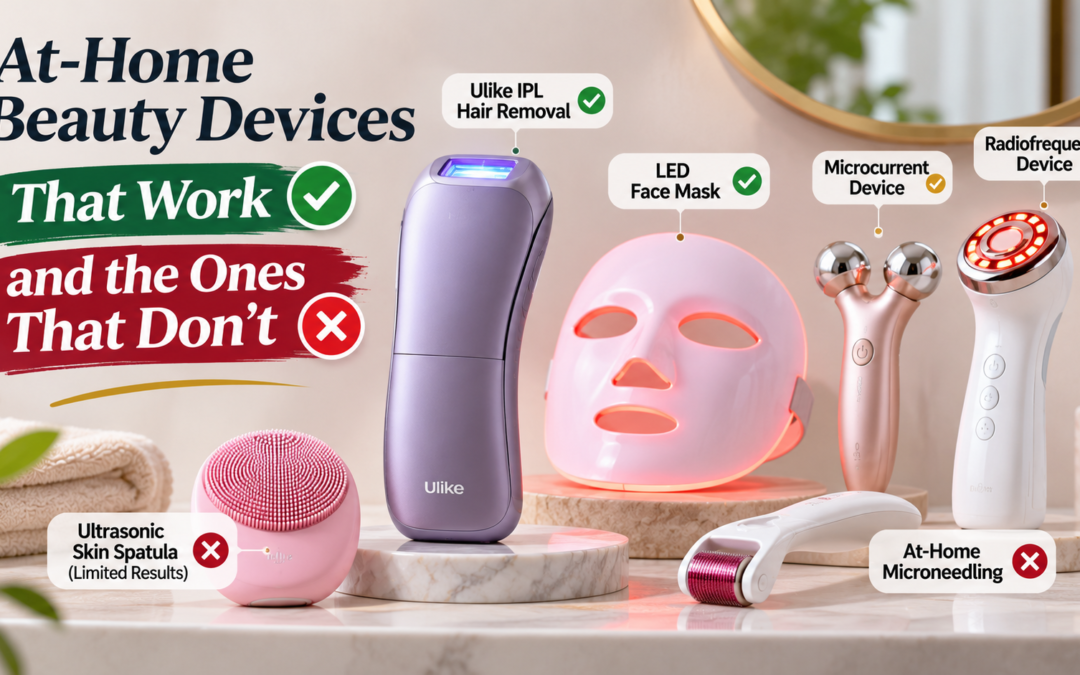
At-Home Beauty Devices That Work and the Ones That Don’t
Beauty technology has moved well beyond facial cleansing brushes and basic hair-removal tools. Today’s consumers can buy IPL hair-removal handsets, LED face masks, microcurrent devices, radiofrequency tools and ultrasonic skin-care gadgets for use at home. But do these products deliver meaningful results, or are they expensive additions to an already crowded beauty routine? The evidence suggests that some beauty devices are worth considering, provided expectations are realistic.
A systematic review published in 2021 examined 37 clinical studies of home-based dermatological devices. It found support for IPL hair removal, LED treatment for acne, low-power radiofrequency for wrinkles and certain laser devices for hair loss, although researchers also highlighted limitations in study size and long-term evidence. A newer 2026 review found moderate evidence for blue and blue-red LED acne devices, while evidence for several other home treatments remained limited. The important distinction is that a device’s technology, energy level and intended use matter more than its marketing claims.
1. IPL Hair-Removal Devices: One of the More Practical Investments
Intense Pulsed Light (IPL) devices are among the better-established categories of consumer beauty technology. They deliver controlled light pulses that target pigment in hair follicles. The resulting heat helps reduce future hair growth over repeated sessions.
Unlike professional laser treatments, consumer IPL devices generally operate at lower energy levels and are designed for home use. They require consistency, and results are usually gradual rather than immediate.
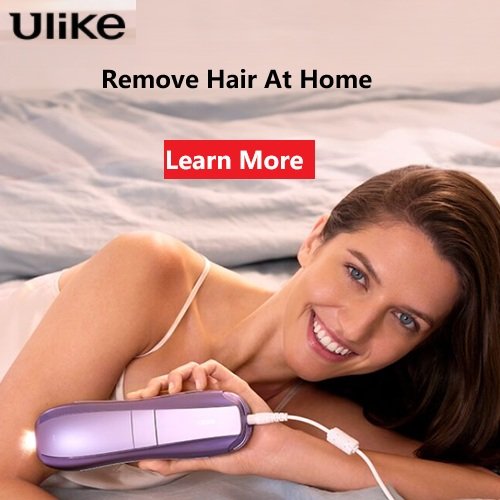
Ulike is a prominent brand in this category. Its Sapphire Air 10, for example, combines IPL technology with a sapphire cooling surface, skin-contact sensors and adjustable treatment modes. Ulike advertises hair-density reduction results from its own testing, including a 28-day study involving 32 women. These are manufacturer-reported results, not a guarantee that every user will experience the same outcome.
IPL is not suitable for everyone. It generally works best on darker hair and lighter skin, while blonde, grey, white and red hair respond poorly. People with darker skin tones may face a greater risk of burns or pigmentation changes with unsuitable devices. Always check the specific model’s skin-tone chart and contraindications before use.
2. LED Face Masks: Useful for Specific Skin Concerns
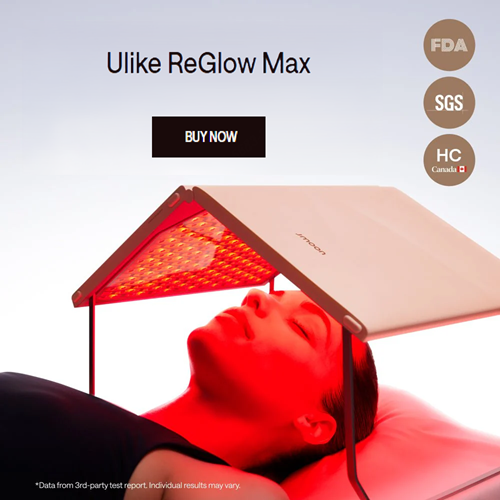
LED masks use different wavelengths of light to target particular skin concerns. Blue light is used to address acne-causing bacteria, while red light is commonly marketed for inflammation and visible signs of ageing.
The American Academy of Dermatology notes that certain FDA-cleared home LED devices can treat pimples, but they do not address every form of acne. Blackheads, whiteheads, cysts and nodules require different treatment approaches.
LED masks are worth considering for people seeking gradual improvement in mild concerns. However, they should complement rather than replace established skin-care treatments. Consistent use is important, and protective eyewear should be used whenever the manufacturer recommends it.
3. Microcurrent Devices: Temporary Firming, Not a Facelift
Microcurrent devices deliver low-level electrical currents to facial muscles and surrounding tissue. They are marketed to improve facial definition, tone and the appearance of firmness.
Some users may notice a temporary lifting or tightened appearance, but the evidence for lasting structural changes is limited. These devices should not be confused with medical procedures that produce deeper tissue changes.
If you are considering one, check the manufacturer’s contraindications. People with implanted electronic devices, certain medical conditions or pregnancy-related restrictions should seek professional advice before use.
4. Radiofrequency Devices: Promising, but Expectations Matter
At-home radiofrequency devices use controlled energy to heat tissue and are marketed for improving skin firmness and fine lines. Research suggests that low-power radiofrequency may offer modest improvements in wrinkles, but home devices are less powerful than professional equipment.
The main concern is using heat-based technology incorrectly. Excessive exposure or unsuitable settings can cause irritation and burns. Avoid using these devices over areas with impaired sensation or where the manufacturer prohibits treatment. A dermatologist can help determine whether the technology is appropriate for your skin.
Beauty Devices That May Not Be Worth the Money
Not every product with an electronic display or multiple treatment modes has convincing evidence behind it. Some devices promise dramatic transformations without explaining how their technology works.
Be particularly cautious with:
- Ultrasonic skin spatulas: They may help with superficial cleansing, but claims of deep pore extraction or permanent blackhead removal are exaggerated.
- Home microneedling pens: Incorrect depth, poor hygiene and repeated skin injury can lead to infection, scarring and pigmentation problems.
- Cheap skin-tightening gadgets: Devices without clear technical specifications or credible safety information should be avoided.
- Multi-function beauty tools: Combining several technologies in one product does not automatically make it more effective.
The latest evidence also reinforces the need to evaluate each technology separately. A 2026 review found that home-use microneedling had weak supporting evidence and potential infection concerns. More features do not necessarily mean better results.
Which At-Home Beauty Devices Are Worth Considering?
| Device type | Main purpose | Evidence and realistic expectations | Verdict |
|---|---|---|---|
| IPL hair removal | Long-term hair reduction | Supported by clinical research; results depend on skin and hair type | Worth considering |
| Blue LED mask | Mild acne and pimples | Moderate evidence for certain home devices | Worth considering |
| Red LED mask | Skin appearance and ageing concerns | Some evidence, but results are generally modest | Promising |
| Microcurrent | Temporary facial toning | Limited evidence for lasting results | Approach cautiously |
| Radiofrequency | Fine lines and skin firmness | Some clinical support; device strength matters | Promising with precautions |
| Home microneedling | Texture and skin rejuvenation | Limited evidence and infection risks | Generally avoid |
| Ultrasonic spatula | Surface cleansing | Limited evidence for major skin changes | Optional, not essential |
What to Check Before Buying
Before purchasing at-home beauty devices, look beyond influencer demonstrations and product ratings. Check the exact technology, wavelength or energy specifications, safety sensors, treatment schedule and independent evidence. Verify whether the specific model has relevant regulatory clearance in your country. FDA clearance, for example, applies to a particular device and intended use; it is not proof that every product from a brand is effective for every skin concern.
For IPL, check skin-tone compatibility and hair-colour restrictions. For LED masks, look for clearly stated wavelengths and intended uses. For heat-based tools, understand the temperature controls and safety instructions.
Stop treatment if you experience blistering, significant pain, persistent redness or unusual pigmentation, and seek medical advice when necessary.
At-Home Beauty Devices: Final Thoughts
The best beauty device is not the one with the most treatment modes or the biggest advertising claims. It is the one designed for a specific concern, supported by credible evidence and safe for your skin type. IPL devices such as Ulike can be useful for suitable users, while LED technology offers another reasonable option for selected skin concerns. For everything else, check the research before spending money. A thoughtful purchase will usually deliver more value than collecting gadgets that promise results they cannot reliably provide.`
Beauty Devices: Frequently Asked Questions
1. Do at-home beauty devices really work?
Some do. IPL hair removal and certain LED devices have supporting clinical evidence. Results are generally gradual and less dramatic than professional treatments.
2. Is Ulike a good option for home hair removal?
Ulike offers IPL devices with cooling features and skin sensors. It may suit users whose skin tone and hair colour fall within the model’s recommended range. Check the specific product instructions before buying.
3. Are LED face masks worth buying?
They may help with mild acne or selected skin concerns, but results depend on the device and regular use. They are not a replacement for medical acne treatment.
Also Read: How Far in Advance Should You Book Flights? Data-Backed Answer by Route