
by parth@bidkinetic.com | Oct 17, 2026 | Gadgets
Outdoor entertainment has evolved beyond moving an indoor television onto a covered porch. Homeowners now want to watch live sports beside the pool, stream movies on the patio, and enjoy family entertainment in open-air living spaces. However, sunlight, rain, humidity, dust and temperature changes create challenges that standard indoor televisions are not designed to handle. Sylvox TVs address these challenges with outdoor-specific television ranges designed for different levels of sunlight exposure.
The brand’s lineup includes partial-sun models for covered patios and decks, full-sun models for brighter environments, and design-focused options such as its Frameless series. Depending on the model, features include 4K resolution, high-brightness displays, weather-resistant enclosures and smart-TV functionality. Sylvox’s newer Outdoor TV 3.0 lineup also introduces IP56 protection and Google TV 5.0.
Why Outdoor Spaces Need a Different Kind of TV
A regular television may look perfectly fine in a living room but become difficult to watch outdoors during daylight. Reflections can obscure the picture, while moisture and dust may damage components that are not protected for outdoor use.
Outdoor televisions are designed to address these problems through three important features.
Higher brightness:
- Brightness is measured in nits.
- A display rated around 1,000 nits may suit a shaded patio, while more exposed locations can benefit from displays rated at 2,000 nits or higher.
- Actual visibility also depends on reflections, screen finish and the direction of sunlight.
Weather-resistant construction:
- Outdoor-rated enclosures help protect internal components against environmental exposure.
- Protection ratings matter, but they do not mean every model can be submerged or installed anywhere without considering its specifications.
Outdoor-ready installation:
- Appropriate mounting hardware, cable routing, ventilation and access to power all influence the safety and longevity of an installation.
These considerations make choosing an outdoor TV an environmental decision as much as a screen-size decision.
Which Sylvox TV Suits Your Outdoor Space?
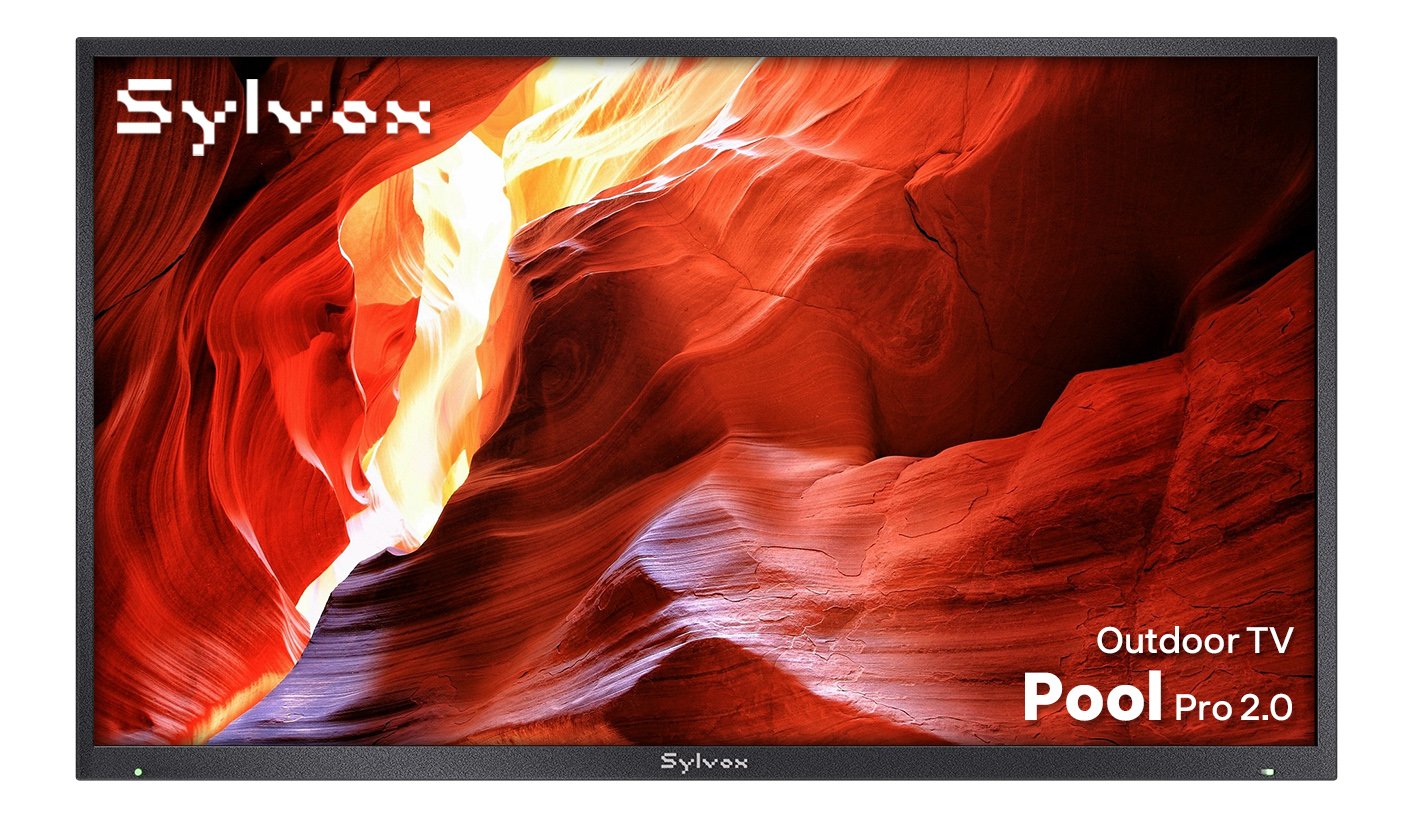
Sylvox organises its outdoor television range around different use cases. The right choice depends on how much direct sunlight the screen receives and how you intend to use the space.
The following recommendations are based on Sylvox’s published product categories. Verify individual model specifications before purchasing.
| Outdoor setting |
Recommended Sylvox TVs |
Key consideration |
| Covered patio or shaded deck |
Deck Pro series |
Daytime brightness and weather resistance |
| Backyard exposed to strong sunlight |
Pool Pro series |
Higher brightness and glare management |
| Poolside entertainment area |
Full-sun outdoor TV |
Sun exposure, splash risk and placement |
| Contemporary outdoor living space |
Frameless series |
Minimalist design alongside outdoor protection |
| Sports-focused entertainment area |
Suitable full-sun or gaming model |
Refresh rate, brightness and audio |
Sylvox identifies its Deck Pro models with partial-sun environments and its Pool Pro range with full-sun use. Its Frameless series provides another option for homeowners who want an outdoor display that integrates more discreetly with their architecture.
1. Patios and covered decks
A covered patio is often the most straightforward place to install an outdoor TV because the roof can reduce direct sunlight and exposure to rain. However, shade does not eliminate humidity, dust or changing temperatures.
A partial-sun model, such as a suitable Deck Pro television, can be a practical choice for watching breakfast-time news, evening shows or weekend sports. Before installing it, check whether sunlight reaches the screen at particular times of day. A west-facing patio, for example, may receive intense late-afternoon light despite being covered.
2. Backyards and outdoor kitchens
Backyards offer more flexibility, from wall-mounted screens near an outdoor kitchen to dedicated entertainment zones with seating and lighting. The main challenge is determining how exposed the television will be.
For an uncovered backyard with prolonged direct sunlight, a full-sun model is generally more appropriate than a partial-sun television. Consider the viewing distance, screen size and seating arrangement together. A larger display may suit a spacious garden, while a smaller screen can work better in a compact entertaining area.
Also consider where cooking smoke, grease and heat could reach the screen. Placing the television away from grills and cooking equipment helps create a more practical setup.
3. Pools and poolside lounges
Poolside viewing combines bright sunlight, water reflections, humidity and the possibility of splashes. These conditions make the choice of television and mounting location particularly important.
A suitable Sylvox full-sun model can provide greater brightness for daytime viewing. However, weather resistance should never be treated as permission to install a television directly beside water without assessing the surrounding hazards.
Position the screen where viewers can see it comfortably without glare, and use an installation that complies with local electrical and pool-safety requirements. A qualified installer can help determine appropriate clearances, power arrangements and mounting methods.
Smart Features and Picture Quality Matter, Too

Outdoor durability is only part of the viewing experience. Resolution, colour reproduction, sound and software determine how enjoyable the television is for everyday use.
Selected newer Sylvox models feature Google TV 5.0, which provides a familiar smart-TV interface and access to supported streaming services. App availability depends on the model, region and service provider, so check compatibility before buying.
- If you mainly watch films, consider resolution, colour performance and contrast.
- For live sports or gaming, refresh rate and motion handling may be more important.
- Outdoor spaces can also disperse sound, so an appropriately positioned soundbar or separate audio system may improve the experience.
When evaluating Sylvox TVs, compare the complete specification sheet rather than relying on a single headline feature. Two televisions with similar screen sizes can differ significantly in brightness, panel technology, refresh rate and intended installation environment.
Installation and Maintenance: What Homeowners Should Know
Even a purpose-built outdoor television needs thoughtful installation. Start by checking the manufacturer’s operating-temperature range, protection rating and mounting requirements for the exact model.
Choose a location with comfortable viewing angles and minimise direct reflections wherever possible. Use compatible outdoor-rated mounts and protect cable connections according to the manufacturer’s instructions. Avoid assuming that a protective cover can compensate for an unsuitable television or installation.
Clean the screen using the method recommended in the manual, and inspect the mounting hardware and cable routing periodically. If severe weather is expected, follow the manufacturer’s guidance on operating and protecting the equipment.
These steps help ensure that the television fits naturally into the outdoor space without creating unnecessary maintenance or safety concerns.
Sylvox TVs: FAQs
1. Can Sylvox TVs be used outdoors all year?
Some models are designed for a broad range of outdoor temperatures and weather conditions. Check the specific model’s operating limits, protection rating and installation instructions before leaving it installed year-round.
2. What is the difference between partial-sun and full-sun outdoor TVs?
Partial-sun models are intended for shaded or semi-covered areas. Full-sun models are designed for brighter environments and typically prioritise higher brightness and glare management.
3. Can I install a Sylvox TV beside a swimming pool?
Potentially, provided the chosen model and installation are suitable for that environment. Follow local pool-area electrical safety rules and the manufacturer’s specified clearances.
Also Read: Airwallex Review: Best Business Account for International Payments?

by parth@bidkinetic.com | Oct 17, 2026 | Fashion
A product listed for a fraction of its usual retail price can look like an incredible deal, but is the seller reliable, and will the item match its photographs? These are the questions worth asking before shopping on DHgate. Founded in 2004, the China-based e-commerce marketplace connects international buyers with sellers offering products ranging from clothing and accessories to electronics and home goods. A 2025 WIRED report noted that the platform had reportedly reached 77 million registered buyers by late 2023, illustrating its substantial international reach.
The important distinction is that a legitimate marketplace does not automatically make every listing legitimate. Prices, product authenticity, delivery times, quality, and customer support can vary significantly between sellers. Understanding those differences helps you decide when a bargain is worth considering and when walking away is the smarter choice.
What Is DHgate, and How Does It Work?
DHgate operates as an online marketplace rather than a conventional retailer selling every product directly. Individual sellers create listings, set prices, describe products, and arrange fulfilment. Buyers can often purchase single items, while some sellers offer discounts for larger quantities.
This model can be useful for shoppers looking for affordable unbranded products or businesses testing potential suppliers. However, the seller’s listing, product description, shipping terms, and customer feedback matter more than the marketplace’s name alone.
The platform also offers a buyer-protection and dispute process, subject to its applicable terms. That provides a route for addressing certain order problems, but it should not be treated as a guarantee that every disagreement will result in a refund.
Is DHgate Legit or a Scam?

The short answer is that DHgate is an established marketplace, not simply a fake shopping website. The more important question is whether a particular seller and product can be trusted.
Some buyers receive products that meet their expectations at competitive prices. Others report concerns involving inconsistent quality, delayed delivery, inaccurate listings, counterfeit merchandise, or difficult disputes. These experiences are not necessarily contradictory: a marketplace with many independent sellers can deliver very different results across orders.
There is also a significant authenticity concern. The U.S. Trade Representative’s 2025 Notorious Markets review identifies DHgate in connection with counterfeit-goods concerns. This is a meaningful warning about risks on the platform, although it does not establish that every listing or seller offers counterfeit products.
The sensible conclusion is to assess the individual listing, not rely on blanket claims that everything is either safe or fraudulent.
What’s Legit, and What’s Risky?
| Shopping situation |
Risk level |
What to consider |
| Unbranded household accessories |
Varies |
Check materials, dimensions, and customer photos |
| Basic clothing and accessories |
Varies |
Verify measurements, fabric details, and sizing feedback |
| Branded luxury goods at implausibly low prices |
High |
Authenticity is questionable; avoid listings suggesting counterfeit branding |
| Electronics and chargers |
Higher |
Check recognised safety certifications and product specifications |
| Bulk orders for resale |
Higher |
Test samples and verify supplier reliability before committing |
| Sellers requesting payment outside the platform |
Very high |
Decline; you may lose access to platform protections |
These are practical risk categories, not guarantees about any individual item. Even an inexpensive unbranded product can disappoint if the listing is inaccurate or the seller is unreliable.
How to Tell Whether a DHgate Seller Is Trustworthy

A low price should prompt a closer inspection, not an immediate purchase. Before ordering, work through these checks.
Read negative reviews first.
- Five-star ratings are useful, but one- and three-star reviews often reveal recurring problems with sizing, material quality, missing parts, packaging, and delivery.
- Look for detailed feedback from buyers who ordered the same product.
Check the seller’s track record.
- Review the store’s operating history, completed orders, feedback patterns, and responses to complaints.
- A high rating based on very few transactions offers less evidence than consistent feedback across many orders.
Look for genuine product photographs.
- Customer-uploaded images can help you compare the delivered item with the listing.
- Be cautious when every photograph looks like a polished catalogue image and the description provides few specific details.
Ask questions before paying.
- Request clarification about materials, dimensions, shipping methods, and what is included.
- Vague answers or pressure to order immediately are reasons to reconsider.
Keep payment and communication on the platform.
- Never accept a seller’s request to pay through a separate bank transfer or messaging app to obtain a special discount.
- Doing so can undermine the protection and evidence available through the official transaction process.
What About Shipping, Customs, and Refunds?
International orders require more patience than many domestic purchases.
- Delivery estimates can be affected by dispatch delays, carrier availability, customs processing, and the destination country.
- A tracking number alone does not prove that a parcel is moving normally, so monitor its progress and save the order details.
Import duties, taxes, and handling charges may also affect the final cost.
- These vary by destination and product category.
- Buyers in India, for example, should check applicable import rules and charges before ordering rather than assuming the checkout price is the complete cost.
If an item does not arrive, arrives damaged, or differs substantially from its description, document the problem immediately.
- Keep screenshots of the listing, order confirmation, tracking history, seller messages, and photographs or an unboxing video of the package and item.
Open a dispute through the official order process within the applicable deadline.
- Read the current refund conditions carefully, and do not close a dispute merely because a seller promises to refund you later.
- Once a case is closed, reopening it may be difficult or impossible under the relevant rules.
Is DHgate Worth Using?
DHgate may suit experienced bargain hunters who understand international shipping and are willing to research individual sellers. It can also help small businesses explore unbranded products, provided they test samples and assess quality before placing larger orders.
It is a less attractive choice when you need guaranteed brand authenticity, fast delivery, dependable after-sales service, or products where safety and regulatory compliance are critical. Counterfeit luxury goods are particularly risky: an attractive price does not establish authenticity, and imported counterfeit products may face customs or legal consequences.
For a first purchase, choose an inexpensive, non-critical item from a seller with a credible track record. Treat the order as a test, not proof that every future purchase will be equally reliable.
FAQs
1. Is DHgate a legitimate website?
Yes, DHgate is an established online marketplace. However, individual sellers and listings vary, so buyers should independently assess product quality, authenticity, shipping, and seller reliability.
2. Are products on DHgate genuine?
Some products are unbranded or legitimate goods, but counterfeit merchandise is a documented concern. Be particularly cautious with heavily discounted branded products and listings that make vague authenticity claims.
3. Is it safe to enter payment details on DHgate?
Use the official website or app, verify the web address, and follow secure payment practices. Keep transactions on the platform and consider whether your payment provider offers additional dispute protection.
Also Read: Coupert Review: Does the Coupon Extension Actually Save Money?
by parth@bidkinetic.com | Oct 17, 2026 | Gadgets
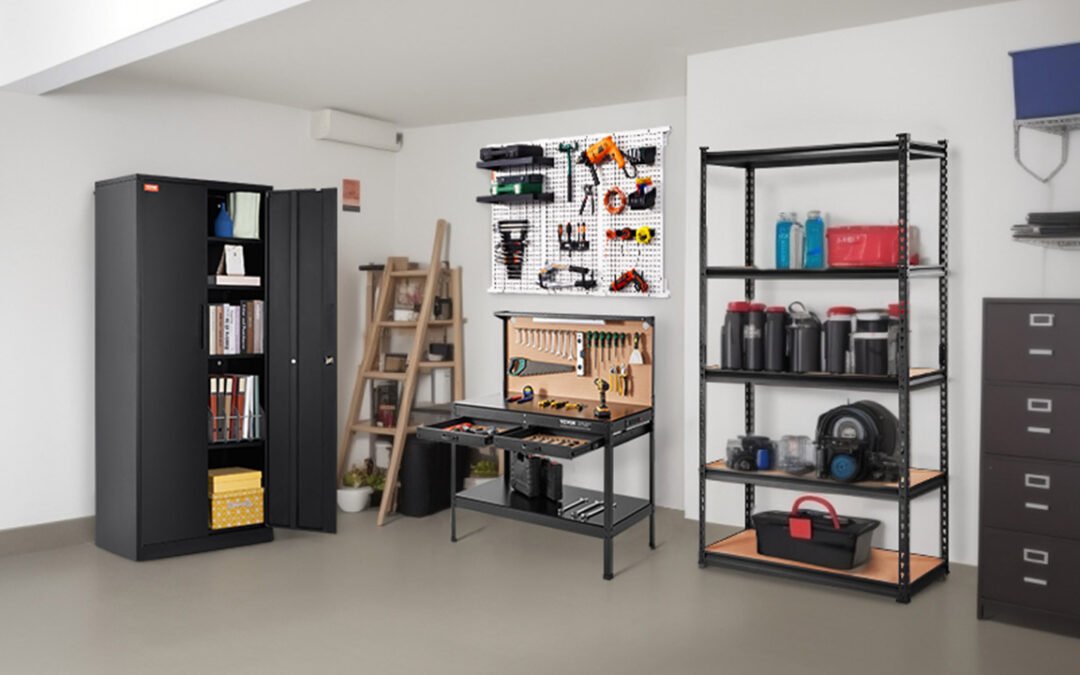
Buying workshop equipment is not simply about finding the lowest price. A hydraulic press that struggles under regular use, a welding machine with an unsuitable duty cycle or a workbench that cannot support the required load can cost more in the long run than a better-matched product. For DIY enthusiasts, mechanics and small businesses, comparing workshop equipment brands means looking beyond the price tag to performance, build quality, safety, warranty coverage and access to replacement parts.
So, which brand offers better value? The answer depends on what you are buying, how often you will use it and what happens if something goes wrong.
1. VEVOR: Broad Selection for Workshop Setup

VEVOR’s main advantage is the breadth of its catalogue. Buyers can explore equipment for automotive maintenance, lifting, welding, fabrication, workholding and general workshop organisation through one retailer.
This can be particularly convenient when setting up a home garage or a small repair space. Instead of sourcing every piece of equipment separately, you can compare multiple categories within the same product range.
The important distinction is that a broad catalogue does not guarantee uniform quality across every category. A VEVOR workbench, hydraulic jack and welding machine each require different evaluation criteria. Examine the specifications, included accessories, user feedback and availability of consumables for the exact model.
Best for: DIY users, hobbyists and small workshops looking for a wide selection of equipment at competitive prices.
2. DEWALT: Better Suited to Established Power-Tool Workflows
DEWALT is worth comparing when your workshop depends heavily on cordless drills, impact drivers, saws and other power tools. Its established battery platform can be valuable if you already own compatible tools and batteries.
Warranty support is another consideration.
- DEWALT’s published US warranty information includes a three-year limited warranty, a one-year free service contract and a 90-day money-back guarantee for eligible products carrying that package.
- Coverage varies by product and purchase conditions, so check the terms before buying.
VEVOR and DEWALT should not be compared as if they offer identical product ranges. VEVOR covers many equipment categories, while DEWALT is particularly relevant to power tools and related accessories.
Best for: Frequent users who prioritise an established power-tool ecosystem and manufacturer support.
3. Harbor Freight: A Strong Alternative for Budget-Conscious Buyers
Harbor Freight is a useful comparison for buyers in the United States shopping for automotive equipment, shop tools and garage essentials. Its appeal includes competitive pricing, retail locations and access to support through its store network.
Its warranty terms are product-specific.
- Harbor Freight states that qualifying hand tools carry a lifetime warranty, while many other products have a standard 90-day warranty.
- This distinction matters when comparing an individual tool rather than the brand as a whole.
VEVOR may offer a suitable alternative for products that are difficult to find locally or where its specifications and delivered price are more attractive. Harbor Freight may be preferable when you value being able to visit a nearby store for eligible purchases or warranty assistance.
Best for: US buyers who want affordable workshop equipment with convenient retail access.
Comparison Table: VEVOR vs DEWALT vs Harbor Freight
| Factor |
VEVOR |
DEWALT |
Harbor Freight |
| Product range |
Broad equipment catalogue |
Strong power-tool focus |
Broad value-oriented tool selection |
| Typical appeal |
Affordable equipment across categories |
Established tool ecosystem |
Budget tools and accessible retail |
| Warranty approach |
Verify exact product and region |
Product-specific manufacturer coverage |
Product-specific; qualifying hand tools have lifetime coverage |
| Replacement support |
Check parts availability for each model |
Established service and support channels |
Store and customer-support options |
| Best suited to |
Home and small workshops |
Frequent power-tool users |
Budget-conscious US buyers |
This is a high-level comparison, not a claim that one brand is superior across all equipment categories. Actual prices, features and warranty coverage depend on the specific model.
What Should Buyers Compare Before Purchasing?

Build quality and rated capacity
Start with the equipment’s intended job. For a hydraulic press, check its rated capacity, frame construction and working clearance. For a workbench, examine the load rating and stability. For welding equipment, consider supported processes, output range and duty cycle.
A higher capacity is not automatically better if the equipment does not fit your workspace or operating requirements.
Total cost, not just the listed price
Compare the delivered price, shipping charges, taxes, accessories and installation requirements. A machine advertised at a lower price may require additional clamps, adapters, tooling or mounting hardware.
Also consider consumables and replacement parts. A slightly more expensive product can offer better value if essential components are easy to obtain.
Warranty and after-sales service
Read the warranty terms before placing an order. Check the coverage period, exclusions, return window and procedure for reporting defects. For heavy equipment, clarify who pays for return shipping and how bulky or damaged products are handled.
Safety and documentation
Look for clear operating instructions, load limits, safety features and maintenance guidance. For lifting equipment, confirm that the product is appropriate for the vehicle or load and use suitable safety supports. Never rely on a hydraulic jack alone to support a vehicle while working underneath it.
Workshop Equipment Brands: Final Verdict
Among these workshop equipment brands, VEVOR stands out for catalogue breadth, DEWALT for established power-tool workflows, and Harbor Freight for value-oriented shopping with US retail access. The right choice depends on the equipment category and how demanding your work will be.
For occasional DIY projects, price and basic functionality may carry more weight. For equipment used daily in a commercial workshop, reliability, serviceability and downtime costs deserve greater attention. Compare the exact products side by side, check their warranty terms and choose the one that fits your workload rather than assuming that the cheapest or most familiar brand is automatically the best.
Workshop Equipment Brands: Frequently Asked Questions
1. Is VEVOR a good brand for workshop equipment?
VEVOR is worth considering for buyers who want a broad selection of equipment at competitive prices. The best approach is to assess each model’s specifications, construction, reviews and support arrangements.
2. Is VEVOR cheaper than DEWALT?
Pricing varies by category. Compare equivalent products with similar capabilities, included accessories and warranty coverage rather than comparing brand names alone.
3. Is Harbor Freight better than VEVOR?
Neither is universally better. Harbor Freight may offer advantages through its US retail network and qualifying hand-tool warranty, while VEVOR may appeal to buyers seeking particular equipment categories or configurations.
Also Read: Airwallex Review: Best Business Account for International Payments?
by parth@bidkinetic.com | Oct 16, 2026 | Homestyle
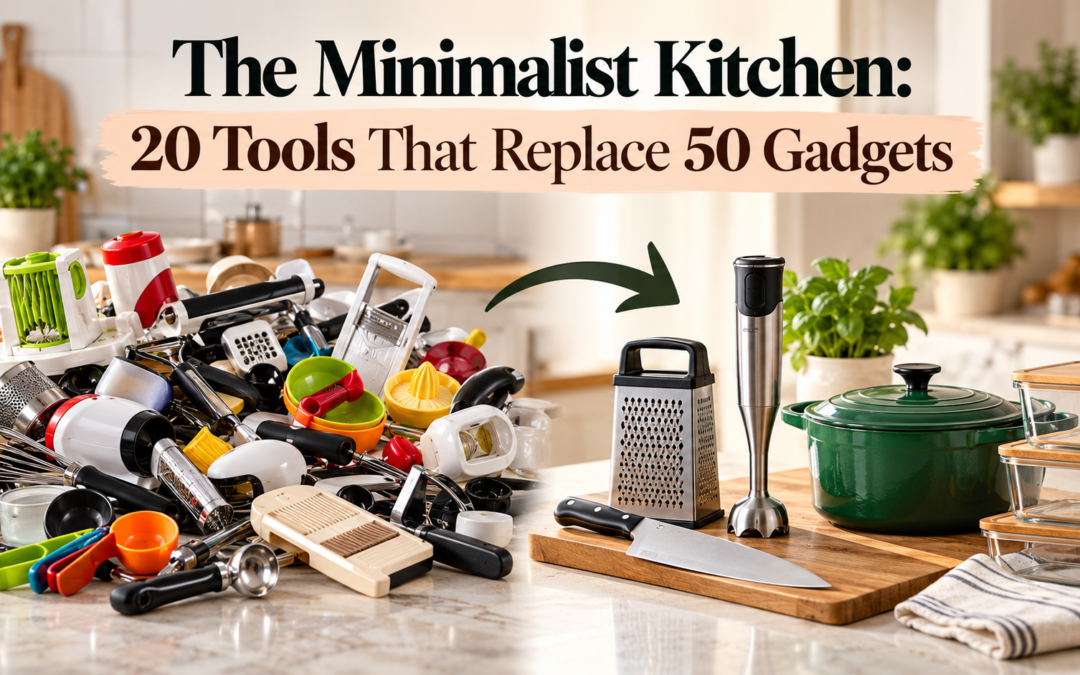
A cluttered kitchen does not necessarily make cooking easier. A drawer full of single-purpose gadgets can take up valuable space, complicate cleaning and leave you searching for the one tool you actually need. A well-planned minimalist kitchen takes the opposite approach: choose versatile, reliable equipment that handles several jobs without compromising the result.
The idea is especially useful in smaller homes, rented apartments and kitchens with limited cupboard space. Instead of buying separate tools for slicing, chopping, mixing, measuring and serving, you can build a compact collection around a few hardworking essentials. A chef’s knife, for example, can handle most everyday cutting tasks, while a sturdy saucepan can cook grains, simmer sauces, blanch vegetables and reheat leftovers.
Here are 20 practical kitchen tools that can cover the work of dozens of common gadgets, along with what each one does best and where a dedicated tool may still be useful.
20 Kitchen Tools That Do the Work of 50 Gadgets
Replaces the banana slicer, garlic chopper, herb scissors, strawberry huller and several small cutting gadgets. A sharp chef’s knife handles vegetables, herbs, fruit and boneless meat. Keep it sharp and use a stable cutting board.
2. Adjustable Vegetable Peeler
A good swivel peeler handles potatoes, carrots, apples, cucumbers and firm vegetables. It can also shave thin ribbons of vegetables for salads. You rarely need separate peelers for different produce.
One four-sided grater can shred cheese, grate carrots, zest citrus and create fine chocolate shavings. It replaces several individual graters and some vegetable slicers. Choose one with a stable base and comfortable handle.
4. Kitchen Shears
Use sturdy kitchen shears to trim herbs, cut spring onions, portion flatbreads and open food packaging. Keep them separate from general household scissors, and clean them thoroughly after handling raw meat.
5. Digital Kitchen Scale
A digital scale measures flour, sugar, meat, rice and other ingredients accurately. It reduces dependence on multiple measuring cups and is particularly useful for baking, portioning and following recipes that specify weights.
6. Nesting Mixing Bowls
A set of bowls can replace separate salad bowls, batter bowls, ingredient-preparation dishes and serving bowls. Choose different sizes that stack together, ideally with one heat-resistant bowl for tasks such as melting chocolate over warm water.
7. Silicone Spatula
Use it to fold cake batter, scrape jars, mix sauces and lift soft mixtures from bowls. A heat-resistant model also works for stirring many stovetop dishes. Check the manufacturer’s temperature limits before using it in hot cookware.
Tongs can turn vegetables, flip meat, toss salads, serve pasta and handle food on a hot baking tray. They reduce the need for several separate serving and turning utensils.
A sturdy wooden spoon stirs soups, sauces, curries, grains and stews without scratching most cookware surfaces. It is a practical alternative to keeping multiple stirring spoons in different shapes.
10. Immersion Blender
This compact appliance blends soup directly in the cooking pot, prepares sauces, smooths purees and mixes small batches of dips. It can replace a countertop blender for many everyday jobs, although it will not handle every crushing or chopping task equally well.
11. Box-Style Measuring Cup and Spoon Set
One compact set covers liquid and dry measurements for everyday recipes. Choose clearly marked measurements and keep the set nested together to avoid duplicate cups and spoons.
12. Microplane-Style Fine Grater
A fine grater handles garlic, ginger, citrus zest, hard cheese and nutmeg. It can replace a dedicated garlic grater and separate citrus zester, particularly if you cook frequently with fresh aromatics.
13. Bench Scraper
This simple tool divides dough, portions pastry, transfers chopped vegetables and removes scraps from a work surface. It is especially useful for baking, but home cooks can benefit from it too.
14. Potato Masher
Beyond potatoes, a masher works for cooked beans, soft vegetables, boiled eggs and ripe bananas. It can replace a dedicated avocado masher or several small crushing gadgets, although it will not produce a perfectly smooth puree.
A single sturdy colander drains pasta, rinses vegetables, washes fruit and strains cooked beans. Select a size that fits comfortably in your sink and can be stored without taking over a cupboard.
16. Rimmed Baking Sheet
Roast vegetables, bake cookies, reheat leftovers and cook one-tray meals on a sturdy rimmed sheet. It can replace several shallow roasting and baking trays if the size and material suit your oven.
17. Heavy-Bottomed Saucepan
A good saucepan cooks rice, boils eggs, heats milk, prepares sauces and simmers small portions of soup. A suitable lid adds flexibility and reduces the need for several small cooking pots.
18. Large Skillet
A deep skillet or sauté pan can fry eggs, brown vegetables, cook one-pan meals, reduce sauces and reheat leftovers. A suitable oven-safe model can also move from stovetop to oven when its manufacturer permits it.
19. Dutch Oven or Heavy Lidded Pot
Use it for soups, curries, braises, pasta sauces, slow-cooked beans and even bread, if the pot is designed for oven use. It can replace several speciality pots, particularly for people who regularly prepare one-pot meals.
Store leftovers, organise prepared ingredients, keep dry goods accessible and pack lunches. Stackable containers reduce the need for separate food-storage boxes and can help you see what needs using first. Check whether lids and containers are dishwasher-, freezer- or oven-safe before using them that way.
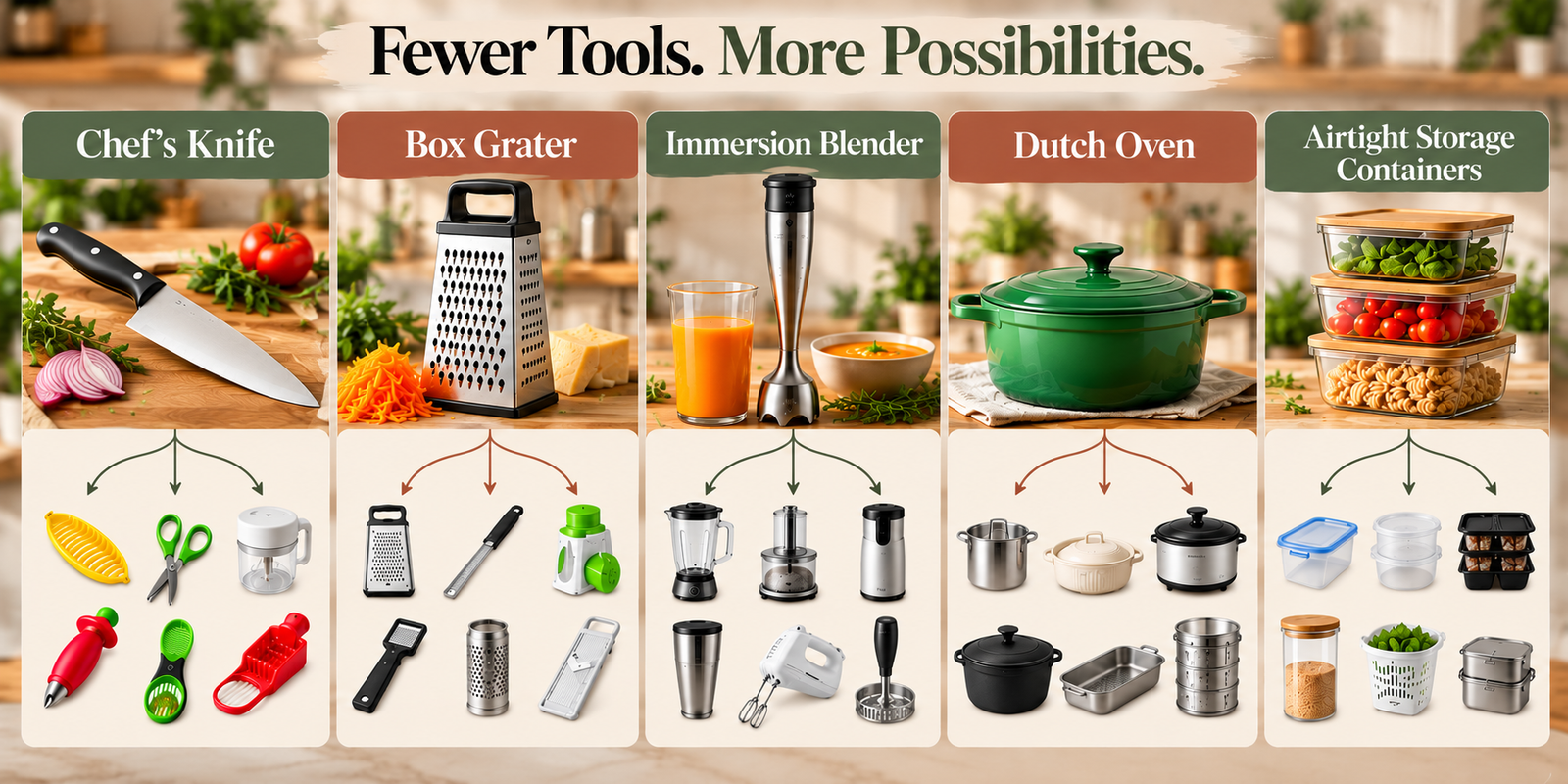
Quick Comparison: Which Gadgets Can Go?
| Multipurpose tool |
Gadgets you may no longer need |
| Chef’s knife |
Banana slicer, strawberry huller, herb scissors |
| Box grater |
Separate cheese grater, citrus zester |
| Kitchen shears |
Herb scissors, some small cutting tools |
| Digital scale |
Multiple ingredient measuring cups for weighed recipes |
| Silicone spatula |
Batter scraper, jar scraper |
| Immersion blender |
Countertop blender for many soups and sauces |
| Potato masher |
Avocado masher, soft-food crushing tools |
| Dutch oven |
Several speciality pots for everyday one-pot meals |
These replacements depend on how you cook. A dedicated appliance can still make sense if you use it often or need a result that a multipurpose tool cannot deliver.
How to Build a Minimalist Kitchen Without Wasting Money
Start by identifying the gadgets you have not used in the last few months. Keep specialist tools that genuinely save time, especially if you bake frequently or prepare a particular cuisine. Replace only the items that duplicate work.
A practical minimalist kitchen prioritises tools that are easy to clean, durable and comfortable to use. Buy gradually rather than purchasing an entire matching set. Guidance on essential kitchen equipment also favours versatile basics over oversized collections of rarely used gadgets.
FAQs
1. What should I buy first for a minimalist kitchen?
Start with a chef’s knife, cutting board, saucepan, skillet, mixing bowl, spatula and measuring tools. These cover a broad range of everyday cooking tasks.
2. Are multifunctional kitchen tools better than specialised gadgets?
Not always. Multipurpose tools save space and reduce duplication, but specialist equipment can be worthwhile when it performs a frequently needed task substantially better.
3. How do I maintain a minimalist kitchen?
Store frequently used tools within easy reach, clean as you cook and review duplicates periodically. Before purchasing a new gadget, ask whether an existing tool can do the job safely and effectively.
The best minimalist kitchen is not the one with the fewest possessions. It is the one where every tool has a clear purpose, earns its storage space and makes cooking easier.
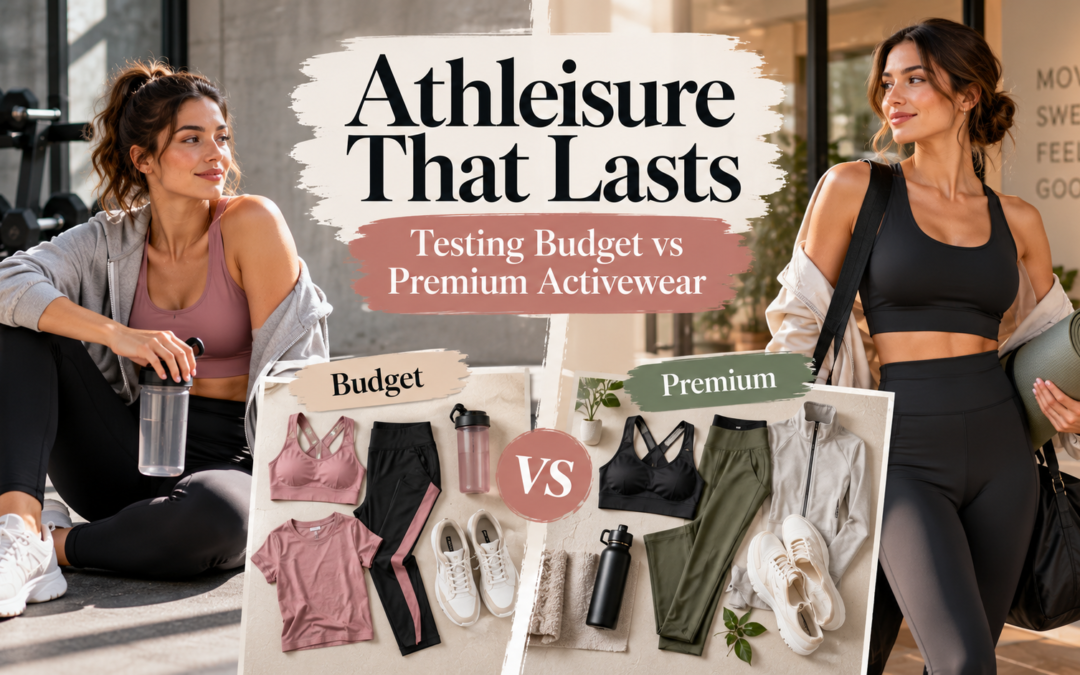
by parth@bidkinetic.com | Oct 16, 2026 | Fashion
Buying activewear is easy; finding pieces that still fit, stretch and feel comfortable after months of workouts is harder. The real difference between budget and premium activewear often becomes clear after repeated washing, not in the changing room. A pair of leggings may feel supportive on day one but become loose at the knees, while a more expensive sports bra may retain its shape and support for longer. For shoppers comparing budget vs premium activewear, the useful question is whether the higher price delivers better performance over time. Fabric composition, seam construction, waistband recovery, opacity, sweat management and care requirements all influence how long a garment remains wearable. Price alone does not guarantee quality, and a well-made budget item can outperform a poorly constructed expensive one.
This comparison looks at the practical differences between budget and premium athleisure, from gym leggings and sports bras to running tops, joggers and everyday matching sets. Rather than treating a luxury label as proof of durability, it focuses on what to inspect, how to test garments fairly and when spending more actually makes sense.
Budget vs Premium Activewear: What Actually Lasts?
1. Leggings: stretch recovery matters more than softness
Budget leggings can feel impressively soft when new, but the important test is how well they recover after repeated squats, lunges and washes. Look for fabric that returns to its original shape without sagging around the knees or seat. A dense knit, secure waistband and well-finished gusset are useful signs of thoughtful construction.
Premium leggings may offer a smoother feel, more consistent compression and better resistance to pilling. However, not every expensive pair is designed for intense training. Some softer, lightweight styles are better suited to yoga, Pilates or everyday wear than high-impact workouts.
Verdict: Buy budget leggings for occasional exercise or casual styling if they pass the opacity and movement tests. Consider premium options for frequent training where reliable fit and compression are essential.
2. Sports bras: support is worth prioritising
Sports bras are one category where fit should take precedence over appearance. The underband should sit securely without digging in, straps should stay in place, and the garment should provide support appropriate to the activity.
A low-cost bra may work well for walking, stretching or light yoga. Running, jumping and high-impact training demand more dependable support, with suitable coverage and secure construction. A premium price does not automatically guarantee the right fit, so test movement and check the return policy before removing tags.
Verdict: Spend according to impact level, not brand prestige. A properly fitted mid-range sports bra can be a better purchase than an expensive one that shifts during exercise.
3. Tops and T-shirts: budget options can be excellent
For workout tops, the difference between budget and premium is often less dramatic than it is for supportive garments. Polyester-based performance fabrics can wick moisture and dry quickly at a relatively accessible price. Nylon blends may feel smoother, but the overall knit, fit and finishing still matter.
Premium tops may offer lighter construction, better ventilation panels or more carefully placed seams. Those details become useful during long runs or intense sessions. For strength training, walking and general gym use, a simple, breathable top may be all you need.
Verdict: Budget tops are often a sensible place to save. Check that the fabric does not cling uncomfortably when damp and that seams do not rub under the arms.
4. Joggers and matching sets: versatility changes the value
Athleisure is not limited to the gym. Joggers, zip-up jackets and coordinated sets often double as travel outfits, weekend clothing and work-from-home staples. Here, fabric feel, pocket placement, waistband comfort and resistance to pilling can matter more than technical performance features.
Premium sets may have cleaner finishing and a more consistent fit between matching pieces. Budget sets can still look polished if the colours coordinate and the fabric drapes well. Avoid choosing a set solely because it photographs well; thin fabric and loose cuffs can quickly make it look worn.
Verdict: Budget matching sets are suitable for casual use, while premium joggers or jackets may be worthwhile if they will be worn several times every week.
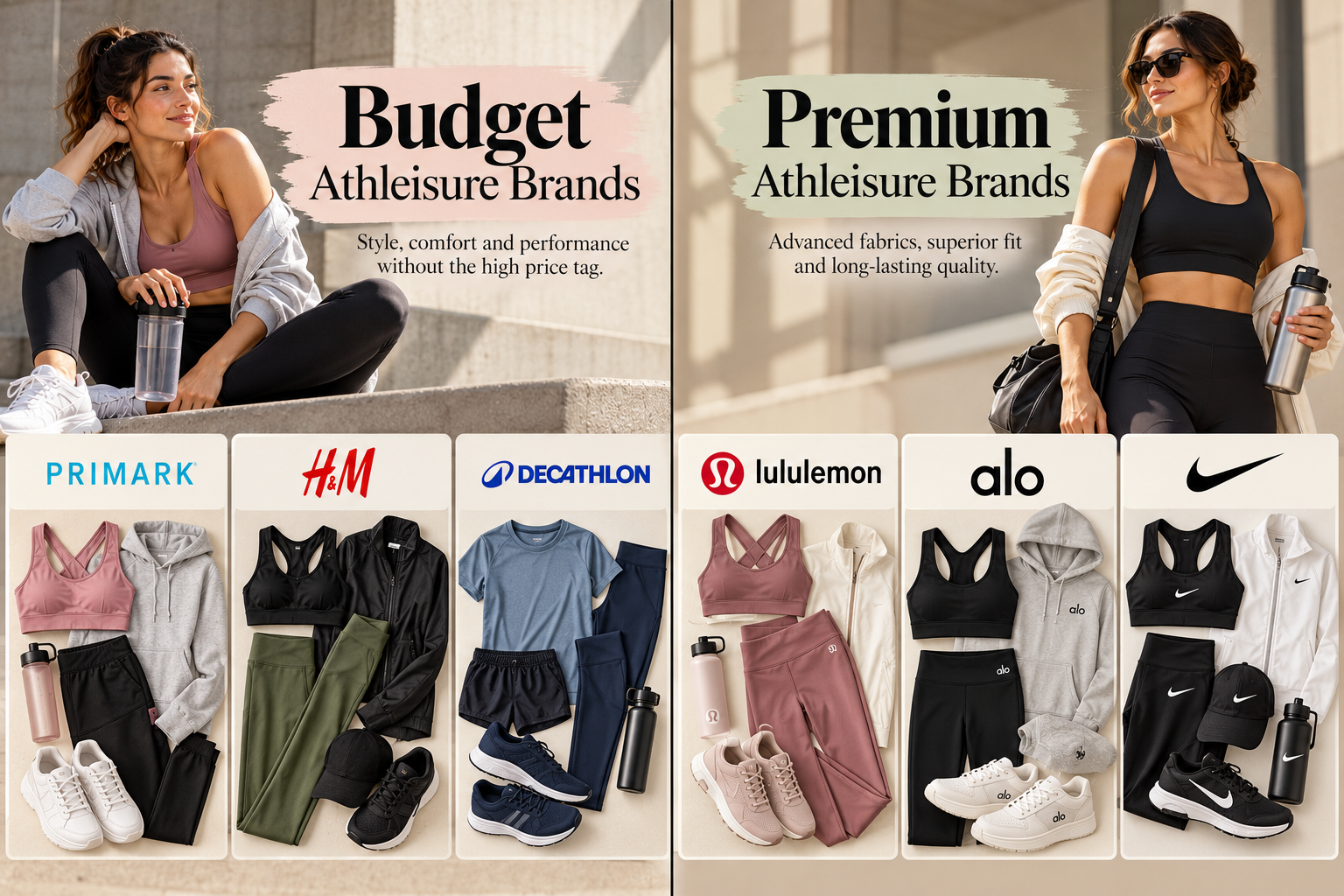
Budget vs Premium Activewear: The Comparison at a Glance
| Feature |
Budget activewear |
Premium activewear |
| Initial cost |
Lower |
Higher |
| Fabric feel |
Varies by garment |
Often more refined, but not always |
| Stretch recovery |
Depends on knit and elastane quality |
May be more consistent |
| Sweat management |
Good options are available |
More specialised fabric choices |
| Stitching and finishing |
Inspect carefully |
Often more attention to detail |
| Design and colour choice |
Frequently trend-led |
May include specialised styles |
| Best use |
Occasional workouts and basics |
Frequent training and selected staples |
These are general tendencies, not guarantees. Independent testing of multiple leggings has also found strong budget performers, so a higher price should never replace checking fit, fabric and construction.
How to Test Activewear Before Committing
A few simple checks can reveal problems that product photographs cannot.
- Squat test: Stretch leggings through a deep squat in good lighting to check opacity.
- Recovery test: Gently stretch the waistband and fabric, then see whether they return to shape.
- Movement test: Walk, bend, raise your arms and try the movements relevant to your workout.
- Seam check: Inspect the crotch, inner thighs, waistband and underarms for loose threads or uneven stitching.
- Care check: Read washing instructions. High heat, fabric softener and rough washing can damage some performance fabrics.
To judge long-term durability properly, compare garments after the same number of wears and washes. A single fitting-room test cannot establish how many months a product will last.
Is Premium Activewear Worth the Extra Money?
The answer depends on how often you wear it. Imagine a budget pair costing £25 that lasts 50 wears: that works out at £0.50 per wear. A premium pair costing £80 that lasts 200 wears costs £0.40 per wear. In that example, the more expensive garment offers better value over time.
But if the premium pair lasts only 80 wears, its cost rises to £1 per wear. These are illustrations, not measured product lifespans; actual durability depends on construction, use and care.
For shoppers evaluating premium activewear, the strongest strategy is selective spending. Invest in items where support, compression or frequent use make performance important. Save on basic tops, occasional-use pieces and trend-led colours when an affordable option meets your needs.
Budget vs Premium Activewear: Frequently Asked Questions
1. What fabric is best for durable workout leggings?
Nylon-elastane and polyester-elastane blends are common choices. The best option depends on knit density, stretch recovery, opacity and intended activity—not just the fibre names on the label.
2. How many activewear sets do I need?
For someone exercising three to five times a week, a small rotation of two or three bottoms and several tops can be practical, provided garments are washed after use and dried properly. Your routine and laundry frequency will determine the ideal number.
3. How can I make activewear last longer?
Wash garments according to their care labels, use a gentle cycle when suitable, avoid excessive heat and turn pieces inside out to reduce surface abrasion. Do not leave sweaty clothes damp in a gym bag.
