by parth@bidkinetic.com | Sep 29, 2026 | LifeStyle
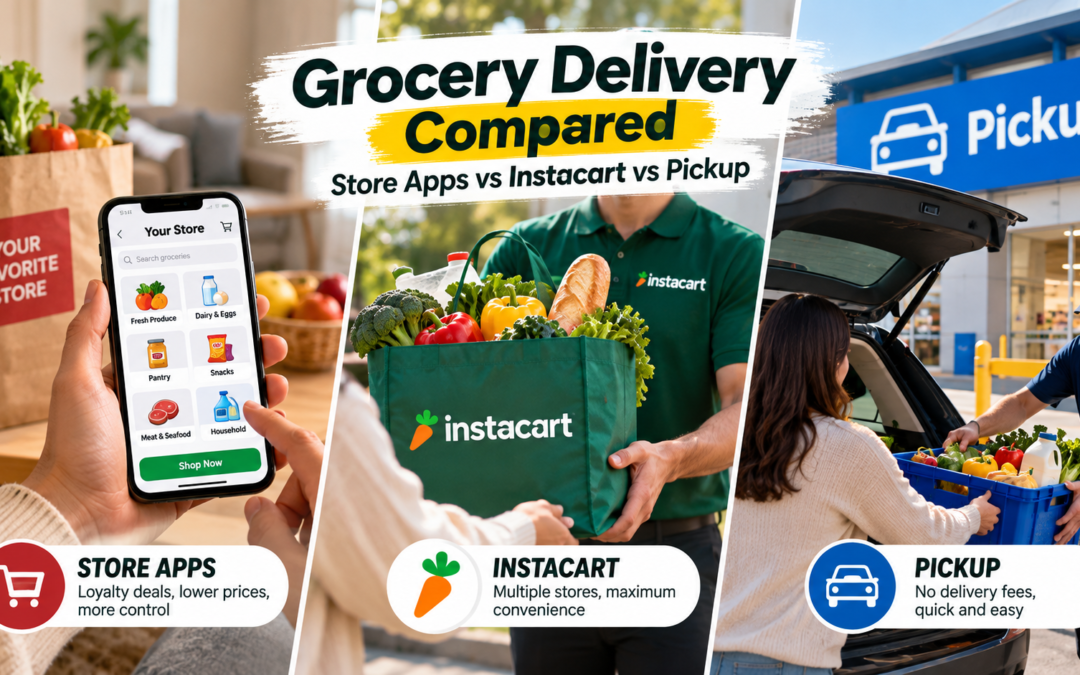
Grocery shopping has moved well beyond the traditional weekly trip to the supermarket. In the U.S., food prices were 2.7% higher in August 2026 than a year earlier, while grocery-store food prices specifically rose 2.2% over the same period. At the same time, retailers and delivery platforms have made it possible to order groceries for delivery, schedule curbside pickup, or shop directly through a supermarket’s own app.
That creates a more useful question than simply asking which service is cheapest: what does each method actually cost after delivery fees, service charges, item pricing, tips, membership costs and the value of your time? In grocery delivery, the platform you choose can materially change the final bill. A recent comparison of 15 Costco products, for example, found the same items priced about 24% higher through Instacart than in-store before fees; the final Instacart total was about 32% above the in-store purchase once fees, taxes and a 5% tip were included.
Store Apps: More Control Over the Retailer Relationship
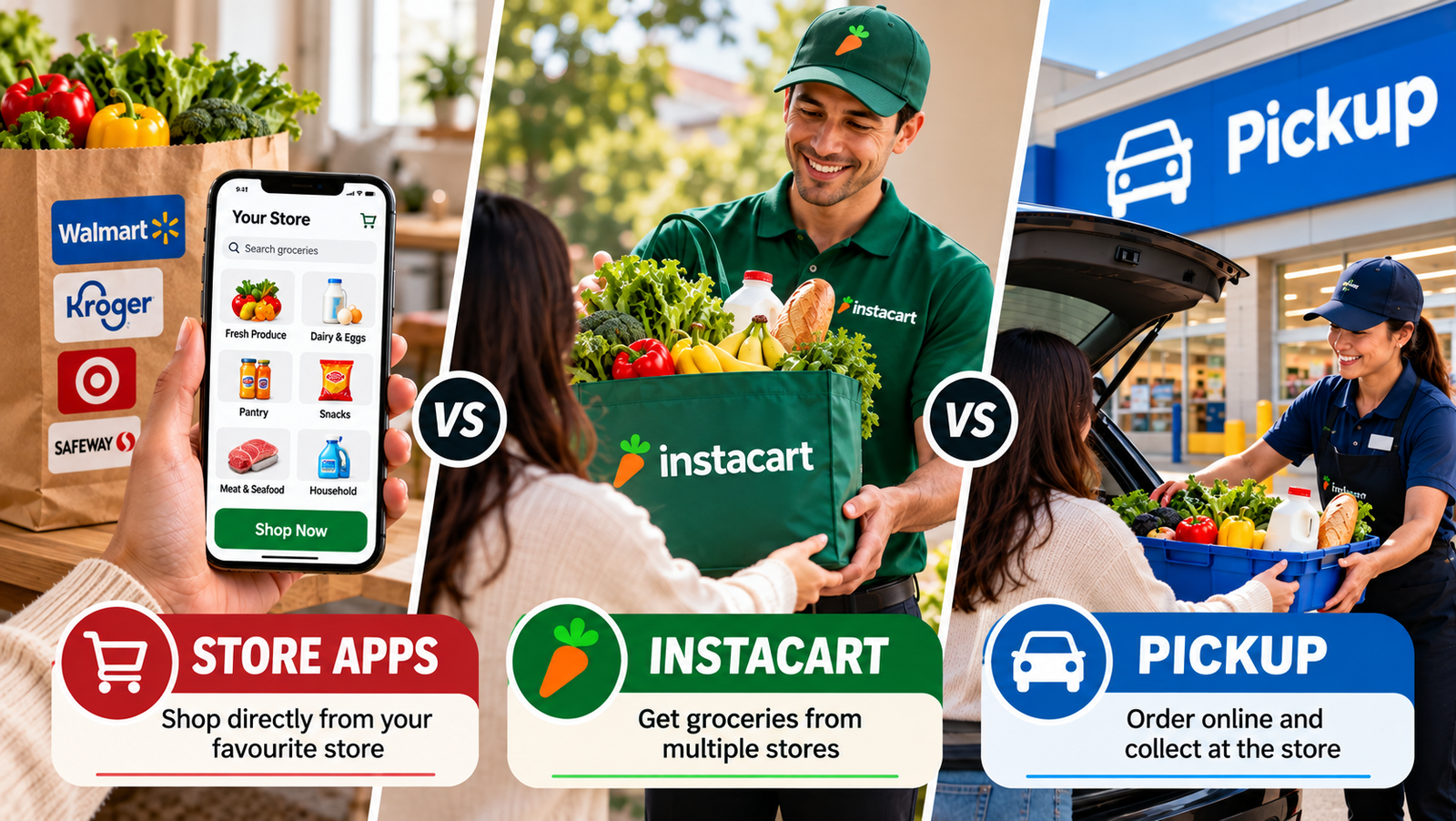
Shopping through a supermarket’s own app is often the most straightforward option when the retailer has a strong digital operation.
Walmart, Kroger and other major chains increasingly allow customers to search inventory, apply store promotions, choose pickup or delivery windows and manage substitutions directly inside their own apps.
The biggest advantage is retailer integration. Store-specific loyalty pricing, digital coupons and rewards are generally easier to manage when ordering directly from the retailer.
Kroger, for example, offers both its own delivery service and third-party delivery through companies such as Instacart and Shipt. Its delivery fees vary depending on the service, day and time slot.
Walmart currently lists free pickup for orders over $35, while standard store delivery is $9.95 and express delivery adds another $10. Walmart+ members receive free standard delivery on qualifying $35+ orders.
That makes the store app particularly attractive for shoppers who already have a preferred supermarket and regularly use its loyalty programme.
Instacart: Convenience Across Multiple Stores
Instacart’s biggest advantage is breadth. Instead of building separate accounts and apps for different supermarkets, shoppers can access multiple retailers from one platform. That is particularly useful when a shopping list spans different stores. A shopper can compare availability, brands and prices without physically visiting several supermarkets.
But convenience comes with a more complicated pricing structure.
- Instacart says delivery fees vary according to retailer, delivery window and order size.
- Service fees also vary according to factors including location and the number and type of products in the cart.
- Tips are separate, with 100% of the tip going to the shopper.
Instacart+ can eliminate delivery fees on eligible orders, but it does not eliminate service fees, and membership does not guarantee faster delivery or preferred time slots.
There is another issue worth checking: item-level pricing.
- Retailers determine how products are priced on Instacart, and pricing can differ from the shelf price.
- The Costco comparison mentioned earlier illustrates how meaningful that difference can become on a large basket.
Pickup: The Middle Ground That Often Makes Financial Sense
Curbside pickup removes the biggest cost associated with delivery without requiring a traditional shopping trip.
The process is simple: build the cart online, select a pickup slot, pay digitally and collect the order when it’s ready. For shoppers who live close to their supermarket, pickup can offer an unusually strong balance between convenience and price.
Instacart says pickup orders have no service fee, although some retailers may charge a pickup fee. Its current guidance says non-members typically pay a $1.99 pickup fee, while Instacart+ members can have that fee waived.
Retailer-specific pickup can be even cheaper.
The trade-off is obvious: somebody still has to drive to the store.
Store App vs Instacart vs Pickup
| Factor |
Store App Delivery |
Instacart |
Store Pickup |
| Convenience |
Very high |
Very high |
High |
| Store selection |
Usually one retailer |
Multiple retailers |
One retailer |
| Delivery fee |
Varies |
Varies |
Usually low/free above minimum |
| Service fees |
Depends on retailer |
Common |
Often none |
| Loyalty discounts |
Strong |
Varies by retailer |
Strong |
| Price comparison |
Limited |
Excellent across stores |
Limited |
| Tipping |
Depends |
Common for delivery |
Not required |
| Best for |
Regular supermarket shoppers |
Multi-store convenience |
Saving on fees |
The Hidden Cost: Item Pricing
The most important mistake in grocery delivery comparisons is focusing only on the visible delivery charge.
A $9.95 delivery fee may look expensive, but a $150 basket with near-identical item prices could still be reasonable if the alternative requires driving 20 minutes each way. Conversely, “free delivery” doesn’t necessarily mean the order is cheaper if individual products are priced higher online.
The best comparison is therefore the final checkout total, not the delivery fee shown at the beginning.
Substitutions Can Change the Equation
Online grocery shopping also introduces a variable that doesn’t exist in exactly the same way during traditional shopping: substitutions.
Kroger notes that estimated totals can change because of substitutions, coupons, taxes and weighted products.
For produce, meat and other items sold by weight, the final amount can therefore differ from the initial estimate. Shoppers should review substitution preferences carefully. Automatically accepting a more expensive alternative can quietly increase the final bill.
When Store Apps Make More Sense
A retailer’s own app tends to work best when:
- The household shops primarily at one supermarket.
- Store loyalty discounts are important.
- Digital coupons make up a meaningful portion of savings.
- Free or inexpensive pickup is available.
- The retailer has reliable inventory data.
- The order is large enough to meet the free-delivery or pickup threshold.
For frequent shoppers, these advantages can outweigh Instacart’s broader selection.
When Instacart Makes More Sense
Instacart becomes more useful when convenience matters more than squeezing out the lowest possible price.
It can be particularly practical when:
- Multiple stores are needed.
- The shopper doesn’t have a vehicle.
- Same-day delivery is important.
- A household needs groceries urgently.
- The shopper wants to compare several retailers from one interface.
The platform’s value is therefore less about being universally cheap and more about reducing the friction involved in grocery shopping.
The Case for Pickup
Pickup is often the most interesting option for budget-conscious households.
It keeps the biggest benefits of online ordering- saved shopping time, digital lists, and fewer impulse purchases- while avoiding much of the delivery cost.
If a supermarket offers free pickup above a reasonable minimum, a shopper can place the order from home, arrive at the scheduled time and leave with the groceries without spending time walking through every aisle.
For many households, that’s the practical sweet spot.
What Should You Choose?
The best grocery delivery method depends on what is actually being optimized.
- Store apps make sense for shoppers loyal to one supermarket and its rewards ecosystem.
- Instacart is useful when retailer choice and convenience are more important than achieving the lowest possible basket price.
- Pickup makes the strongest financial case when the supermarket offers free or inexpensive collection, and the store is reasonably close.
The smartest approach is to compare the final cart total, not just the advertised delivery charge. Check item prices, coupons, membership requirements, service fees, pickup fees, substitutions and minimum-order rules before paying.
For a large weekly grocery order, those small differences can easily add up to more than the delivery fee itself.
FAQs
1. Is Instacart more expensive than ordering directly from a grocery store?
It can be, but there is no universal markup across every retailer. Item pricing, service fees, delivery fees and promotions vary by store and location. Instacart recommends checking the complete price shown at checkout.
2. Is grocery pickup cheaper than delivery?
Often, yes, because pickup eliminates delivery charges and usually does not require a delivery tip. Some retailers offer free pickup above a minimum order.
3. Does Instacart+ eliminate all fees?
No. Eligible delivery fees can be waived, but service fees and other applicable charges can still apply.
Also Read: Coupert Review: Does the Coupon Extension Actually Save Money?
by parth@bidkinetic.com | Sep 28, 2026 | Travel
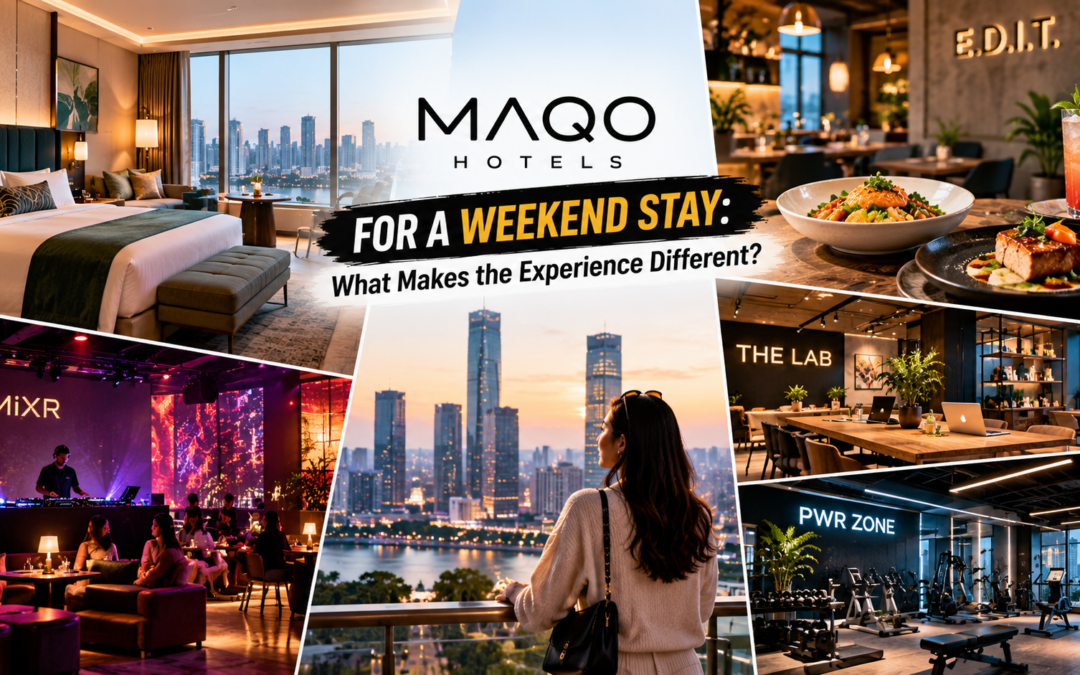
A weekend hotel stay usually comes down to three things: a comfortable room, a convenient location, and somewhere decent to eat. Maqo hotels take a different approach by treating the hotel itself as part accommodation, part social space, dining destination, workspace, and entertainment venue. The current Maqo portfolio prominently features Maqo Changsha, located in Tower 2 of Changsha IFS, with rooms ranging from 33-35 m² M1 rooms to a 51 m² Junior City View Suite. The property also brings together E.D.I.T. dining, MiXR, THE LAB, and PWR ZONE rather than treating these as standard hotel extras.
That makes a weekend at Maqo less about simply returning to the room after sightseeing and more about having several reasons to stay on property.
A Hotel Designed Around Lifestyle, Not Just Sleep
Maqo describes itself as a new lifestyle hotel, with a design philosophy centered on curated experiences rather than filling a property with as many facilities as possible. Its Changsha location uses bold colours, whimsical art installations, modern furniture and blended spaces throughout the hotel.
For a two-night stay, that design approach matters because the hotel doesn’t feel like a place that only becomes relevant at bedtime. Guests can work, eat, exercise, meet friends, have drinks, listen to live music, or simply spend time in the hotel’s shared spaces.
The difference is particularly noticeable for travelers who prefer an experience-driven city break rather than a traditional luxury hotel with a more formal atmosphere.
The Rooms Are Modern and Surprisingly Practical

The room range gives weekend travelers several ways to approach the stay.
| Room |
Size |
Notable features |
Suitable for |
| M1 Deluxe City View King |
33-35 m² |
Wireless charging, motion sensors, worktop |
Couples/solo stays |
| M2 Grand City View |
38-40 m² |
Designer furniture, multifunctional island |
Weekend stays |
| M2 River Mountain View |
35-40 m² |
River, mountain and city views |
Scenic stays |
| M3 Grand Deluxe |
45 m² |
Coffee machine, larger space |
Longer weekends |
| Junior City View Suite |
51 m² |
Separate living/sleeping areas |
Couples or small groups |
The rooms are designed around functionality as much as appearance. The M1 includes a worktop and wireless charging dock, while M2 rooms add a multifunctional island that can be used for work, styling or informal gatherings. M3 rooms add more space and a capsule coffee machine, while the Junior Suite separates the living and sleeping areas.
That makes the rooms particularly relevant for travelers who may need to answer emails or spend some time working during a weekend trip.
E.D.I.T. Makes Dining Part of the Stay
The hotel’s main dining venue, E.D.I.T., operates throughout much of the day, covering breakfast, lunch, afternoon tea and dinner. Current published hours are 6:30 AM-2 PM for breakfast, 12 PM-2 PM for lunch, 2:30-5 PM for afternoon tea, and 5:30-10 PM for dinner.
The concept is also different from a conventional hotel restaurant. Maqo describes E.D.I.T. as a place where guests can curate elements of their meals, giving the dining experience a more lifestyle-oriented character.
For a weekend itinerary, that means breakfast doesn’t require leaving the property, and dinner can become part of the evening rather than simply another practical meal.
MiXR Changes the Evening

The biggest difference between Maqo and a conventional city hotel may be what happens after dinner.
- MiXR is designed around musicians, beatmakers, performances and live music.
- At Maqo Changsha, the current schedule lists MiXR from 7 PM to 2 AM, Thursday through Sunday.
- That gives a Friday or Saturday night a natural progression: dinner at E.D.I.T., followed by drinks and entertainment without arranging transportation to another venue.
The experience won’t appeal to every traveler.
- Guests looking for a completely quiet, traditional hotel atmosphere may prefer a property where nightlife isn’t part of the identity.
- For visitors who enjoy music and social spaces, however, it makes the weekend feel more self-contained.
THE LAB Is More Than a Hotel Lobby
THE LAB is another feature that sets Maqo apart. Rather than providing a conventional business centre, the space combines gallery-style design with co-working, social areas, drinks and snacks. The current Maqo Changsha offer lists access at RMB 68 per hour, including free-flow coffee and tea.
This can be useful for a weekend trip that isn’t completely disconnected from work. A guest can spend an hour answering emails or taking a call without turning the hotel room into an office.
There are also more recreational experiences, including gaming and other member activities promoted through the Maqo Discovery programme.
Fitness Is Part of the Concept Too
PWR ZONE focuses on core-training equipment and specialised classes rather than being an afterthought tucked into a basement.
For a short stay, this can be useful for guests who want to maintain a workout routine without searching for an outside gym.
The combination of PWR ZONE, THE LAB, E.D.I.T. and MiXR essentially gives the hotel four different reasons to spend time there: fitness, work, food and entertainment.
Booking Direct Can Add Value
Another practical consideration is Maqo Discovery. Members receive an exclusive rate when booking directly and can earn Discovery Dollars on eligible stays, dining and experiences. The programme extends across 950+ hotels in more than 100 countries within the Global Hotel Alliance network. Discovery Dollars are presented as a flexible rewards currency, with D1equivalenttoUS1, and can be used toward eligible stays, dining, spa and other experiences.
Maqo’s current direct-booking page also advertises an additional 10% member discount, a best-rate guarantee and selected flexible booking options. Exact benefits and cancellation conditions depend on the booking.
What Makes Maqo Different for a Weekend?
The Maqo hotels concept works because the hotel doesn’t rely entirely on the destination outside its doors. The room provides a comfortable base, while the rest of the property creates reasons to stay longer.
For a two-night Changsha itinerary, a typical weekend could look like this:
- Friday: Check in, explore the room and nearby Changsha IFS, then have dinner at E.D.I.T. and drinks or live entertainment at MiXR.
- Saturday: Explore Changsha during the day, return for some time at THE LAB or PWR ZONE, then spend the evening dining and listening to music.
- Sunday: Have breakfast at E.D.I.T., enjoy a slower morning, and check out by noon. Maqo Changsha’s published check-out time is 12 PM.
Is Maqo Worth Considering for a Weekend?
The Maqo hotels experience is particularly suited to travelers who want their hotel to be part of the trip rather than simply a place to sleep.
Its strongest distinction is the combination of design, dining, work-friendly spaces, fitness and nightlife in one property. The concept is less traditional than a conventional luxury hotel, and that is precisely what makes the weekend experience different.
For a traveler visiting Changsha who values modern design, flexible spaces, food and entertainment alongside a comfortable room, Maqo Changsha offers a hotel experience built around those priorities rather than adding them as secondary amenities.
Maqo Hotels: FAQs
1. Where is Maqo Changsha located?
Maqo Changsha is in Tower 2, Changsha IFS, 1 Cai’e Middle Road, Furong District, Changsha, Hunan, China.
2. What restaurants are at Maqo Changsha?
The property currently features E.D.I.T., MiXR Bar and THE LAB.
3. What is Maqo Discovery?
Maqo Discovery is the brand’s loyalty programme, offering member rates and Discovery Dollars that can be earned and redeemed across participating hotels and experiences.
Also Read: Viator vs Klook: Best Site for Tours and Activities
by parth@bidkinetic.com | Sep 28, 2026 | LifeStyle
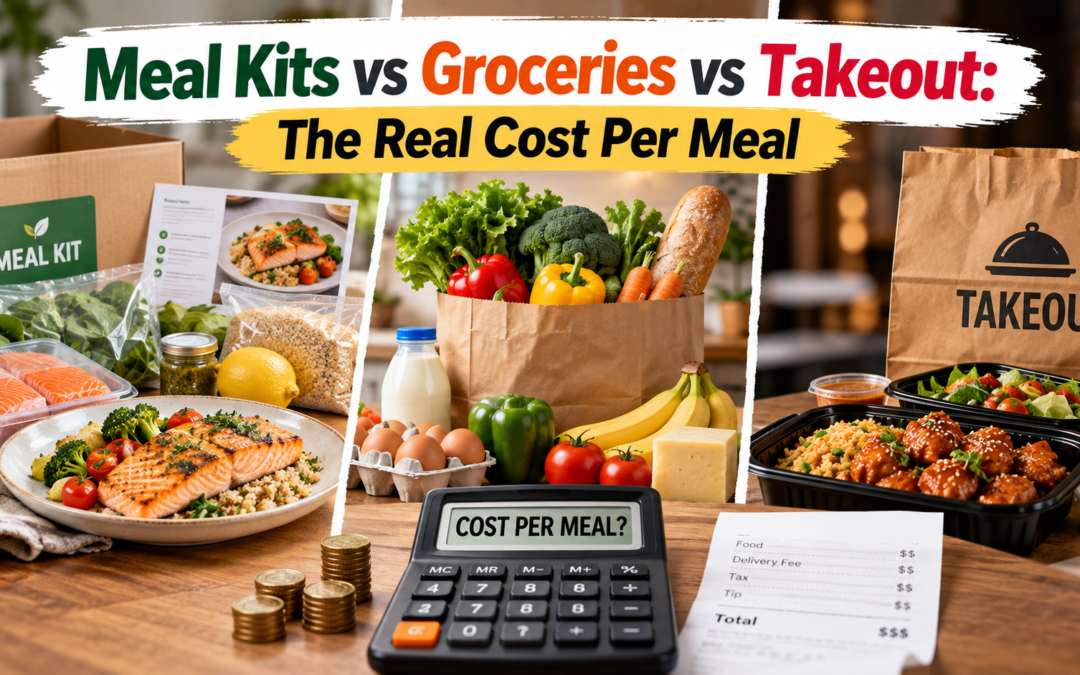
The price of dinner is no longer as simple as looking at a grocery receipt or restaurant menu. In 2026, U.S. food prices continue to move differently depending on where the meal comes from. Food-at-home prices were 2.2% higher in August 2026 than a year earlier, while food-away-from-home prices were up 3.4%. USDA’s September outlook expects food-at-home prices to rise about 2.4% for 2026, compared with 3.5% for food purchased away from home. That makes the meal kits vs. groceries vs. takeout debate more interesting than simply asking which option has the lowest sticker price.
Groceries generally win on ingredient cost, meal kits charge a premium for planning and portioning, while takeout sells convenience without requiring cooking or cleanup. Recent 2026 pricing audits put meal kits around $8.74-$10.23 per serving on average, depending on the services and methodology used.
But the real comparison needs to include shipping, food waste, leftovers, preparation time, delivery fees and the number of people eating.
What Does One Meal Actually Cost?
For a practical comparison, consider a typical dinner for one adult in the U.S. These aren’t fixed national prices; grocery stores, restaurants, cities, promotions and portion sizes can change the result considerably.
| Option |
Typical cost per person |
Extra costs to consider |
Cooking time |
Waste risk |
| Groceries |
$4-$10 |
Pantry ingredients, unused produce |
20-60 min |
Medium |
| Meal kit |
$8-$13 |
Shipping, premium upgrades |
15-40 min |
Low–Medium |
| Pickup takeout |
$12-$22 |
Tax, tip in some cases |
0-5 min |
Low |
| Delivery takeout |
$18-$35+ |
Delivery, service fees, tip |
0-5 min |
Low |
A 2026 pricing study comparing hundreds of recipes found a $4.62 median ingredient cost per serving for grocery-made dinners, while mainstream meal kits commonly landed between roughly $8 and $12.49 before delivery costs.
That’s an important distinction: a $10 meal kit isn’t necessarily replacing a $5 restaurant meal. It is usually replacing a grocery-cooked meal that could cost considerably less.
Groceries: Cheapest, But Only If You Use What You Buy
Cooking from groceries usually has the lowest direct cost per serving. Buying rice, pasta, vegetables, chicken, beans, eggs and other ingredients in larger quantities can bring the cost of individual meals down substantially.
The catch is that grocery shopping works best when ingredients are used across several meals.
Suppose a recipe requires half a bell pepper, two tablespoons of cilantro and a small amount of sour cream. The checkout bill includes the full packages. If the remaining ingredients eventually go bad, the effective cost of the meal becomes higher.
This is why cost-per-serving calculations based only on recipe ingredients can be misleading.
Groceries become particularly economical when:
- Ingredients are used in multiple recipes.
- Pantry staples are already available.
- Meals produce leftovers.
- Shopping is planned around weekly promotions.
- The household has enough people to use larger packages.
USDA data also shows that food-at-home spending remains a major part of household food budgets, with U.S. food-at-home expenditure reaching about $1.10 trillion in 2025.
Meal Kits: Paying for More Than Ingredients
Meal kits sit between grocery shopping and takeout. The ingredients are portioned, recipes are selected, and the shopping process is largely removed.
That convenience has a measurable price.
- Current 2026 audits put average meal-kit pricing around $8.74 to $10.23 per serving, with cheaper plans falling below that and premium services reaching considerably higher.
- Shipping can push the effective cost upward.
The biggest financial advantage isn’t necessarily the ingredients. It’s waste and decision-making.
- A meal kit can make sense when a household regularly buys groceries for recipes but throws away unused ingredients.
- It can also replace restaurant orders on busy evenings without eliminating cooking altogether.
The downside is that meal kits aren’t automatically economical. Ordering small boxes, choosing premium proteins or paying significant shipping charges can erase much of the value.
Takeout: The Convenience Premium Is Real
Takeout is where the calculation changes most dramatically.
A $14 restaurant entrée might initially look competitive with a $10-$12 meal kit. But the final amount can change after tax, service charges, delivery fees and tips.
Pickup is therefore substantially different from delivery.
For example:
- Restaurant meal: $15
- Tax: $1.50
- Service/delivery charges: $4
- Tip: $3
The final cost becomes $23.50, not $15.
That doesn’t make takeout a bad value. The restaurant is providing cooking, ingredients, equipment, labor and cleanup. The question is whether that convenience is worth the premium for a particular meal.

The Cost Per Meal Changes With Household Size
This is where the meal kits vs groceries vs takeout comparison gets more complicated.
For a family of four, grocery cooking can become extremely economical because one preparation can feed everyone. A meal kit can also work well if its pricing is based on four servings.
Takeout becomes much more expensive when every family member needs a separate entrée.
For one person, however, groceries can be less efficient. Buying an entire package of spinach, a dozen eggs or a large bag of vegetables for one meal creates a greater risk of leftovers and waste.
That means the cheapest option on paper isn’t always the cheapest option for a specific household.
Time Has a Cost Too
Ingredient price isn’t the only thing worth calculating.
A grocery meal may require planning, shopping, storing ingredients, preparing food, cooking, and cleaning.
A meal kit eliminates much of the planning and shopping. Takeout eliminates almost all of the work.
For someone earning $30 an hour, spending 90 minutes shopping, preparing, and cleaning has an opportunity cost of roughly $45. That doesn’t mean the meal literally costs $45 more, but it explains why a higher-priced option can still feel financially reasonable.
Which One Makes Sense?
The meal kits vs groceries vs takeout calculation depends heavily on what is being optimized.
- Choose groceries when minimizing food cost is the priority and ingredients can be used efficiently.
- Choose meal kits when saving planning time, controlling portions and reducing unused ingredients matter more than getting the absolute lowest ingredient price.
- Choose pickup takeout when convenience matters but delivery fees can be avoided.
- Choose delivery takeout when time is the primary concern and the additional fees are acceptable.
The Bottom Line
The meal kits vs groceries vs takeout comparison doesn’t have one universal winner. Groceries usually offer the lowest ingredient cost, meal kits charge extra for convenience and portion control, while takeout commands the highest premium for a ready-to-eat meal.
The smarter calculation is not simply “What is cheapest?” It is “What does this meal actually cost after waste, fees, time and leftovers are included?”
For regular home cooks, groceries can remain difficult to beat. For busy households trying to replace restaurant orders without returning to full-scale meal planning, meal kits occupy a useful middle ground. Takeout remains the simplest option when cooking isn’t worth the time on a particular night.
FAQs
1. Are meal kits cheaper than takeout?
Often, yes, particularly compared with delivered restaurant meals. But shipping and premium meal selections can narrow the difference.
2. Are groceries always the cheapest option?
No. Groceries generally have the lowest ingredient cost, but unused ingredients and food waste can increase the effective cost per meal.
3. How should cost per meal be calculated?
Add the actual ingredients or menu price, shipping or delivery charges, applicable fees and tax. For groceries, also account for the portion of ingredients actually consumed and any significant waste.
Also Read: How to Order Delivery for Less: Fees, Timing, and Pickup Tricks
by parth@bidkinetic.com | Sep 27, 2026 | Games
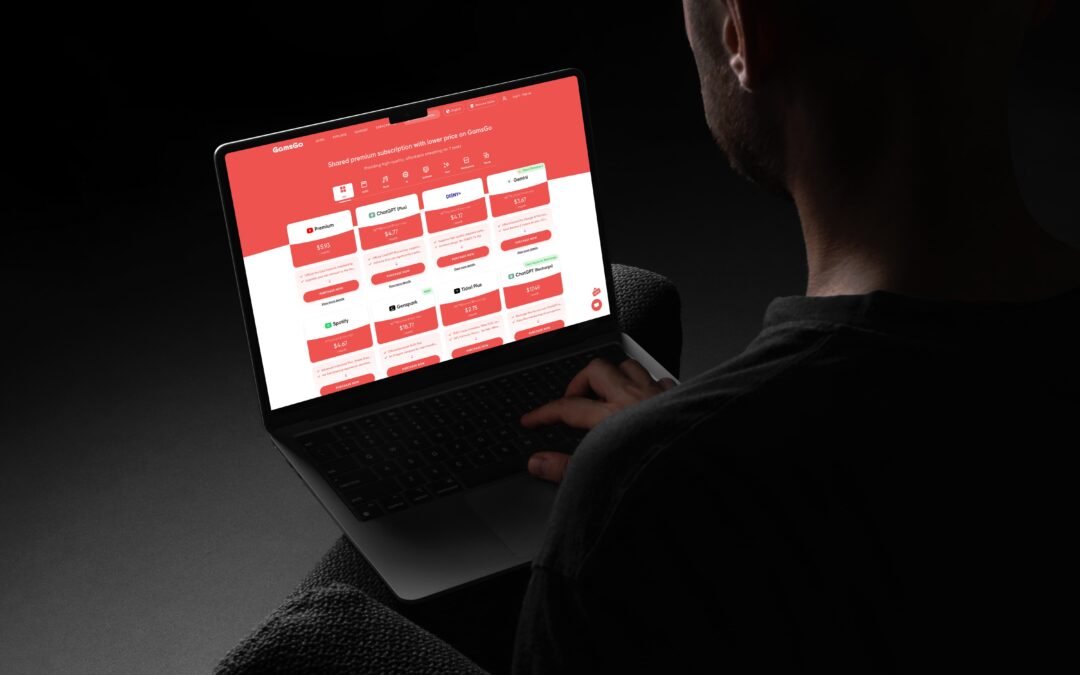
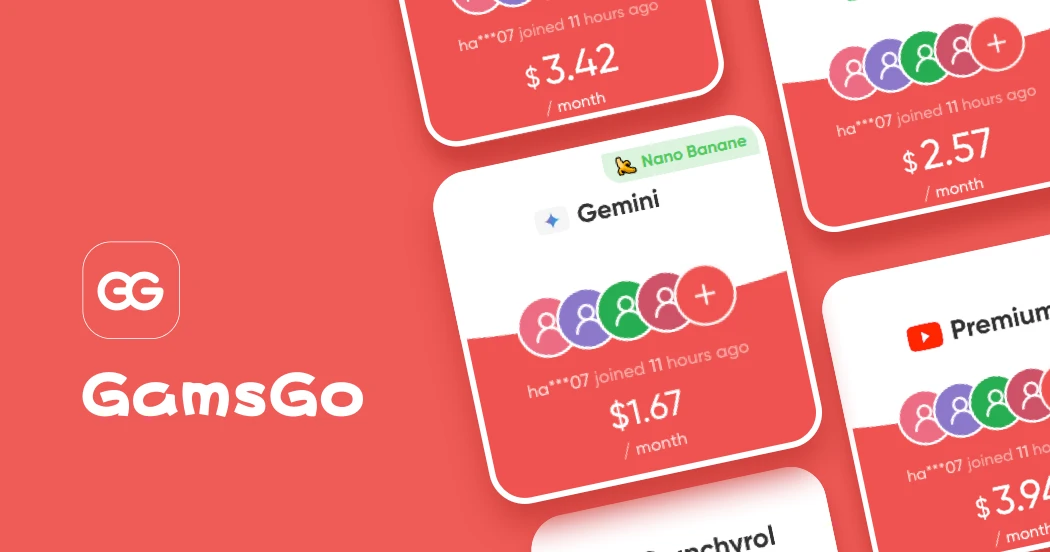
A Netflix Premium, Spotify Premium, YouTube Premium or ChatGPT Plus subscription can become an expensive recurring bill when several services are running at once. GamsGo takes a different approach: instead of buying every subscription directly, users can purchase access to shared or privately assigned accounts at lower prices. The platform currently offers digital subscriptions through two models: Direct GamsGo, where GamsGo manages the product itself, and a Marketplace, where independent sellers list subscriptions and accounts. This GamsGo review looks at how the service actually works, where the savings come from, what buyer protection covers, and the risks worth understanding before handing over money.
The savings can be substantial, but the lower price comes with conditions that aren’t present when subscribing directly. Shared profiles can mean other people have access to the same account, accounts can be restricted or reclaimed, and the warranty only lasts for a defined period. GamsGo’s own rules also acknowledge that subscription accounts can become unusable because of bans, cancellations or ownership issues.
How GamsGo Works
GamsGo isn’t simply a discount-code website. It operates as a marketplace and direct seller for digital subscriptions.
A listing can specify:
- Subscription service
- Plan level
- Duration
- Country or region
- Full-access or shared account
- Private profile
- Shared profile
- Family-group access
Its seller guidelines specifically require these details to be disclosed.
That means two listings for the same service can provide completely different experiences. One might give a private profile inside a shared account, while another could provide a dedicated account.
This is one of the first things to check before buying.
Shared Subscription vs Private Access

The word “shared” is important.
For example, GamsGo’s Netflix documentation explains that its one-profile option is a shared Netflix subscription, with the account shared among multiple users. A five-profile package is described as an exclusive subscription with five profiles.
Shared access can reduce the price considerably, but it also creates practical limitations. Other users may be watching simultaneously, account settings can be controlled by someone else, and privacy isn’t equivalent to having an individually owned subscription.
There’s also a policy issue. Netflix states that an account is intended for use by people within the same household.
Therefore, a cheap third-party shared account shouldn’t automatically be treated as equivalent to an official Netflix subscription.
What Makes GamsGo Attractive?
The obvious advantage is price.
Instead of paying the full official monthly price for every service, GamsGo allows customers to purchase shorter-duration access or shared plans. This can be particularly appealing for services that are expensive enough to become a noticeable monthly expense.
But the price difference isn’t magic. You’re generally receiving access rather than ownership.
That distinction becomes important if an account suddenly stops working.
| Factor |
GamsGo |
Direct Subscription |
| Price |
Usually lower |
Standard provider price |
| Account ownership |
Usually not transferred |
Your own account |
| Shared access |
Often available |
Depends on provider |
| Warranty |
Product-specific |
Provider’s normal support |
| Account replacement |
Possible under conditions |
Provider support |
| Privacy |
Depends on account type |
Generally more private |
| Risk of service disruption |
Higher |
Lower |
| Buyer protection |
Available during warranty |
Provider terms |
Is GamsGo Legit?

- The platform has a functioning marketplace, seller verification process, transaction records and formal dispute procedures.
- GamsGo says marketplace sellers must complete KYC verification, while digital-subscription listings have defined requirements for pricing, duration, region and account type.
That makes it inaccurate to simply describe GamsGo as a fake website.
However, legitimate marketplace operation doesn’t mean every individual subscription will be risk-free.
- The current Trustpilot profile shows a 3.7/5 TrustScore from 18,899 reviews, with a mixture of positive and negative experiences (September, 2026).
- Recent complaints include accounts failing to work and disagreements over refunds, while many other reviewers report successful purchases and responsive support.
There are also community reports describing subscriptions that worked initially but later stopped after the underlying service changed its account-sharing policies. These reports are individual experiences, but they illustrate the main weakness of the model.
What Happens If the Account Stops Working?
This is where GamsGo’s warranty system becomes important.
For eligible digital subscriptions, the platform says buyers can request a replacement or refund if an account is cancelled, reclaimed, banned because of the seller’s actions, or otherwise becomes unusable during the warranty period.
GamsGo also uses DealShield, under which payment can remain held during the protection period. If there’s a dispute, the funds can be frozen while the issue is reviewed.
But there are important exclusions.
The warranty can become invalid if the buyer changes account credentials when not permitted, violates the service provider’s rules, exceeds the permitted number of users, resells the account or waits until the warranty period expires.
That makes the warranty less like a conventional money-back guarantee and more like time-limited buyer protection.
The Biggest Risk: The Original Service
The biggest issue isn’t necessarily GamsGo itself. It’s the relationship between GamsGo’s subscription model and the rules of the underlying service.
Streaming companies and software providers can change their policies, restrict account sharing, introduce household verification, block suspicious activity or terminate accounts.
When that happens, a subscription that worked perfectly for months can suddenly become unreliable.
This GamsGo review therefore found that the cheapest listing isn’t automatically the safest choice. A longer warranty, private profile and clearly stated activation method can be more valuable than saving another dollar or two.
What About Refunds?
Refunds are possible under defined circumstances, but they’re not unconditional.
GamsGo says buyers should first contact the seller. If the issue isn’t resolved, a platform review can be requested during the warranty period. Its current dispute documentation says most disputes are processed within 48 hours, although complex cases can take longer.
Marketplace refunds can also be returned as GamsGo Credits by default, although eligible users can request the original payment method during the specified confirmation window.
So screenshots, order details and timely reporting matter.
GamsGo Review: Pros and Cons
Pros
- Lower prices than many direct subscriptions
- Multiple subscription durations
- Shared and private options
- Buyer-protection mechanism
- Seller ratings and KYC requirements
- Formal dispute process
- Wide range of digital services
Cons
- Shared accounts create privacy concerns
- Account access can suddenly stop
- Warranty periods are limited
- Not every seller experience is consistent
- Provider policy changes can affect access
- Some subscriptions may violate the underlying service’s sharing rules
Final Verdict
This GamsGo review finds a service that can deliver genuine savings, but the lower price comes from accepting more conditions than a normal direct subscription.
For someone who understands shared-account limitations and is comfortable with the possibility of replacement or temporary disruption, GamsGo can be an economical option. For an account containing private information, important work or something that must remain available every day, the additional reliability of a direct subscription can be more valuable than the discount.
The key is to read the individual listing rather than judging GamsGo by its headline price. Check the sharing arrangement, warranty, region and refund conditions before paying. That is where the difference between a good bargain and a frustrating subscription becomes clear.
GamsGo Review: FAQs
1. Is GamsGo safe to use?
It has formal buyer-protection, seller-verification and dispute systems, but purchasing a shared account carries more risk than subscribing directly from the service provider.
2. Is GamsGo cheaper than Netflix or Spotify directly?
Many GamsGo listings are priced below official subscriptions because access may be shared or provided through a different account arrangement. The exact savings depend on the service, plan, region and duration.
3. Can a GamsGo account get banned?
Yes. GamsGo’s warranty policy explicitly covers some situations involving account bans, cancellations and account recovery, which confirms that such problems can occur.
Also Read: Pins and Aces Review: Golf Apparel That Doesn’t Take Itself Seriously
by parth@bidkinetic.com | Sep 27, 2026 | Games
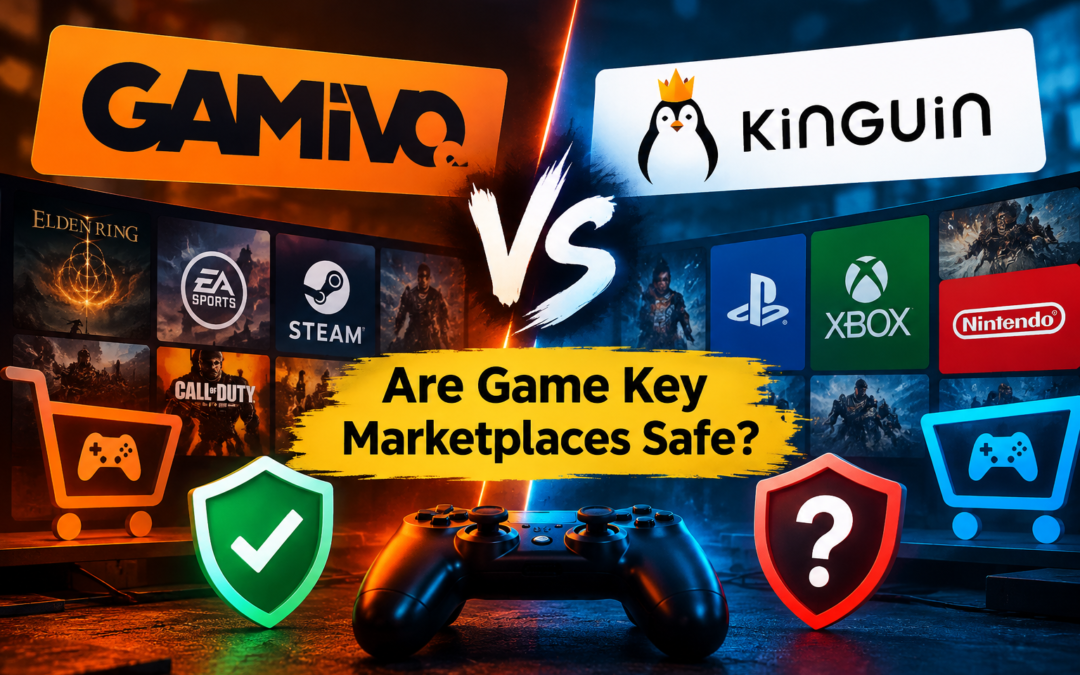
Buying PC games outside Steam, Epic Games Store, PlayStation Store, or Xbox can cut the price substantially, but it also introduces another layer between the buyer and the publisher. That is why the Gamivo vs Kinguin guide is less about finding the absolute cheapest key and more about understanding how each marketplace handles sellers, region restrictions, refunds, buyer protection, and unexpected fees. Both platforms operate as third-party marketplaces rather than traditional first-party game stores, so the key you buy comes from a marketplace seller rather than directly from the game publisher.
There is also a useful distinction between legal and risk-free. GAMIVO says unused activation keys bought through third-party marketplaces are not inherently unlawful in the EU and emphasizes supplier verification, while its own documentation makes clear that the source and activation region of a key still matter.
How These Marketplaces Work
Neither site functions exactly like Steam.
A seller obtains digital keys and lists them on the marketplace. The platform processes the transaction, delivers the key and provides some level of dispute assistance if something goes wrong.
- GAMIVO says its sellers must provide business documentation, proof of ownership, company information and government-issued identification before they can list products.
- It also uses seller ratings and says problematic merchants can be blocked.
- Kinguin similarly operates as a marketplace connecting buyers with merchants.
- Its terms explain that buyers may be charged a service fee and that product availability and fees can differ by jurisdiction.
That marketplace structure explains why two listings for the same game can have different prices.
Gamivo vs Kinguin: Key Differences
| Feature |
GAMIVO |
Kinguin |
| Marketplace model |
Third-party sellers |
Third-party sellers |
| Key verification |
Seller and key/order checks |
Marketplace and dispute procedures |
| Buyer protection |
Customer Protection Program |
Buyer Protection/dispute process |
| Unrevealed key return |
Available under conditions |
Available under conditions |
| Refund options |
Refund/replacement for qualifying problems |
Refund, replacement or resale in certain cases |
| Subscription program |
GAMIVO SMART |
Kinguin has separate membership/services |
| Seller ratings |
Yes |
Yes |
| Region information |
Displayed on listings |
Displayed on listings |
| Main risk |
Seller/key issues and subscription confusion |
Seller/key issues and dispute complexity |
The table doesn’t establish that one marketplace is universally safer. It shows that the two platforms use different systems to manage the same underlying marketplace risk.
GAMIVO: What Happens When a Key Goes Wrong?

GAMIVO says its order process checks whether keys have previously been sold through the platform and whether they match the required format. If a buyer reports a problem, the listing can be flagged and the stock investigated. GAMIVO says faulty keys can be replaced or refunded.
Its Customer Protection Program provides additional support, including priority handling and mediation with the supplier.
There is an important catch, though: the standard marketplace experience and GAMIVO SMART are not necessarily the same. SMART currently starts at a promotional €0.99 plus taxes for the first month, with standard pricing depending on region; the U.S. rate listed in its terms is €4.99 plus applicable fees and taxes after the promotional period.
SMART includes the Customer Protection Program for the subscription period, live chat, discounts and other benefits.
This is worth checking during checkout rather than assuming the cheapest displayed “SMART price” is simply the normal game price.
Kinguin: What Buyer Protection Looks Like

Kinguin also provides a formal dispute system.
Its published buyer-protection terms state that when a claim is resolved in the buyer’s favour, Kinguin can refund the purchase price and related eligible costs.
Kinguin’s current support documentation also has an interesting option for buyers who change their minds. If the key has not been viewed, it can be returned; its current support page says an unclaimed product can be returned within 24 hours through the dashboard for an automated refund to Kinguin Balance. After that, support can process a manual refund while the key remains unseen.
If a key has already been viewed but remains unused, Kinguin says it may offer a resale option instead.
That is different from a normal digital-store return policy and makes it especially important not to reveal a key until the product has been checked carefully.
The Region-Lock Problem
A surprisingly large number of problems with cheap game keys have nothing to do with whether the code is genuine.
Region compatibility matters.
A key might activate only in Europe, North America, Asia or another specified market. GAMIVO explicitly tells buyers to check the platform and activation region before revealing a key.
The same principle applies to Kinguin. A cheap key that cannot activate on the buyer’s account is not a bargain.
Before purchasing, check:
- Platform: Steam, EA, Ubisoft, Xbox, PlayStation, etc.
- Region
- Edition
- Activation method
- Whether it is a key, account or another type of digital product
- Seller rating
- Refund conditions
What Do Real Customers Say?
Current Trustpilot data shows a mixed but substantial body of feedback for both platforms.
GAMIVO’s profile currently shows approximately 50,000 reviews and a 3.9/5 TrustScore (September, 2026). Recent reviews include praise for fast delivery and competitive prices, alongside complaints about unexpected SMART subscriptions, protection fees and occasional product issues.
Kinguin’s main kinguin.net Trustpilot profile currently shows approximately 122,000 reviews and a 4.6/5 TrustScore (September, 2026). Its reviews also include both positive reports of successful purchases and negative experiences involving invalid keys, refunds and customer support.
These ratings should be treated as customer sentiment rather than proof that every transaction will succeed. Review platforms capture individual experiences and don’t independently verify every underlying transaction.
So, Are Game Key Marketplaces Safe?
The safest answer is: they can be, but they aren’t equivalent to buying directly from an official store.
The additional risk comes from the marketplace model. You need to trust not only the platform but also the seller, product listing, source of the key and region information.
That makes Gamivo vs Kinguin a comparison of risk-management systems rather than a simple “safe versus unsafe” choice.
Both platforms have mechanisms for seller management, refunds and dispute handling. Neither eliminates the possibility of receiving a problematic key or encountering a difficult support case.
Pros and Cons
GAMIVO
Pros
- Seller verification requirements
- Key and order checks
- Customer Protection Program
- Fast digital delivery
- Large selection
- GAMIVO SMART discounts
Cons
- SMART subscription requires attention
- Some protection features can depend on the service selected
- Third-party sellers remain part of the transaction
- Region restrictions can cause problems

Pros
- Large marketplace
- Formal buyer-protection process
- Unclaimed-key return option
- Resale option for some unused revealed keys
- 24/7 customer support
- Large selection
Cons
- Marketplace sellers vary
- Service fees may apply
- Refunds can involve Kinguin Balance
- Invalid-key disputes can require documentation
- Product and feature availability varies by region
Final Verdict
The practical lesson from Gamivo vs Kinguin is that the lowest price shouldn’t be the only consideration. Both marketplaces can provide legitimate digital keys at prices below official stores, but the buyer accepts more responsibility for checking the listing.
Look at the seller, region, platform, final checkout price and protection terms before paying. If a price looks dramatically lower than every other retailer, checking why is worth the extra minute.
For a buyer comfortable with third-party marketplaces, both GAMIVO and Kinguin offer established systems for digital-key purchases. The experience ultimately depends less on the marketplace’s headline price and more on the individual seller, product listing and the protections attached to that particular transaction.
FAQs
1. Is GAMIVO legitimate?
GAMIVO operates as a digital marketplace and has documented seller-verification, key-checking and dispute procedures. That does not guarantee every individual listing will be problem-free.
2. Is Kinguin legitimate?
Kinguin operates a large third-party digital marketplace with formal buyer-protection and refund procedures. Individual sellers and listings can still vary.
3. Should a game key be revealed immediately?
Only after checking the platform, region and edition. Once a digital key has been revealed, return options can become significantly more limited on both marketplaces.
Also Read: Pelago Review: Is It Worth Using for Your Next Vacation?
